




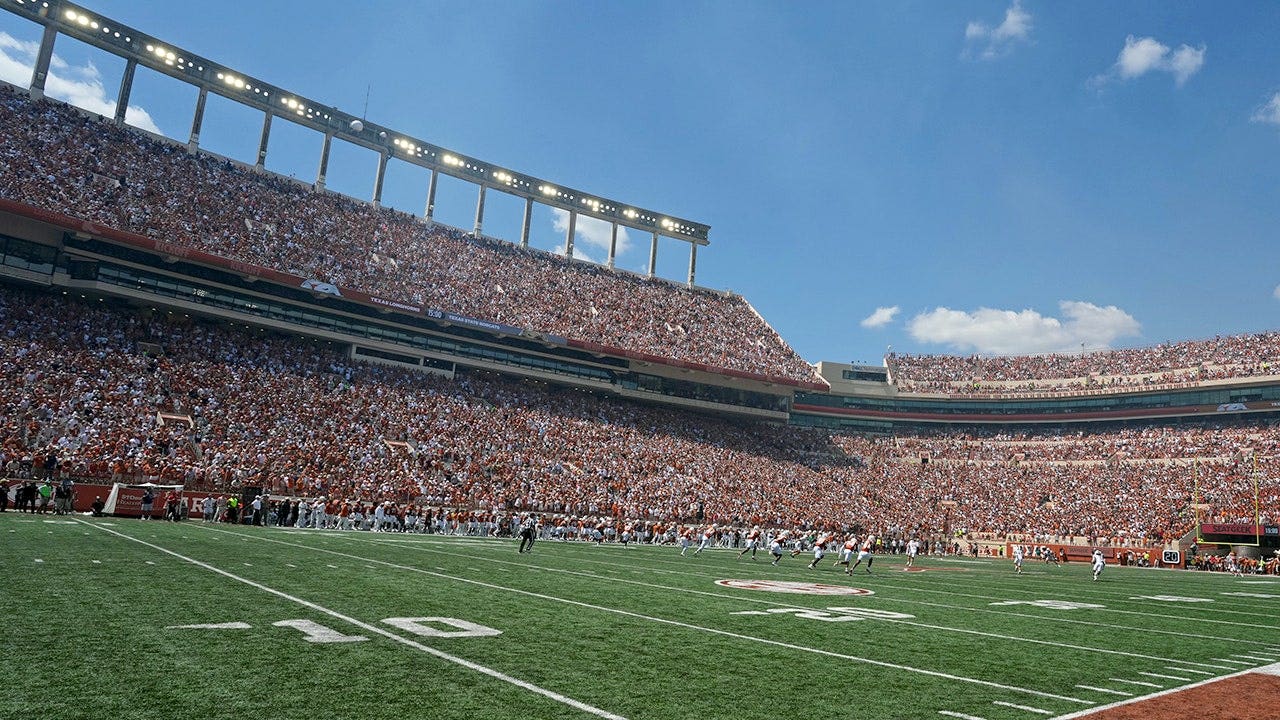
As the college football season progresses, a significant dialogue has emerged regarding the scheduling of games during extreme heat, with particular attention on the implications of climate change. This discussion was sparked by recent weather conditions experienced during games involving teams such as the USC Trojans and the Texas Longhorns.
Changing College Football Scheduling in Response to Weather Conditions
The USC Trojans played against San Jose State at the Los Angeles Memorial Coliseum amid unusually high temperatures, reaching a heat index of approximately 105 degrees. Fans faced harsh conditions during the noon kickoff, leading to decreased attendance as many opted to leave early for safety reasons. Incidents of heat exhaustion and dehydration were reported during other games, particularly those held in southern states like South Carolina and Texas.
This situation has led college sports officials and fans to question the timing of games, especially in the late summer months when temperatures can soar. The discussion gained traction when Iliana Limon Romero, an assistant managing editor and sports editor at the Los Angeles Times, suggested on social media that academic institutions and television networks should reconsider their game schedules in light of the altering climate. Romero argued that it is unrealistic to expect fans to endure extreme heat as a measure of support for their teams.
On social platforms, she stated, “At some point, schools and TV networks are going to have to adapt to climate change and stop expecting fans to tolerate extreme heat as a badge of honor supporting their teams.”
While there is a consensus that game scheduling should reflect local weather realities—particularly avoiding afternoon games in hot climates—some have expressed skepticism regarding attributing summer heat to climate change. Critics point out that high temperatures in regions like Texas are not unusual for this time of year, noting that typical averages are already in the mid-90s, with recent days only slightly exceeding this mark.
In this context, the debate continues as various stakeholders assess how best to balance the demands of broadcast schedules with the health and safety of both players and fans. The incidents of heat-related health risks have underscored the importance of adapting to weather conditions while also evaluating the broader implications of climate change on sporting events.
Why It Matters
This discussion highlights the intersection of sports, public health, and environmental issues. As extreme weather patterns become increasingly common, stakeholders in college football may need to reevaluate traditional scheduling practices to prioritize the safety and well-being of fans and players. Adapting to these realities may also prompt broader conversations about climate awareness and action within the sports industry.
