




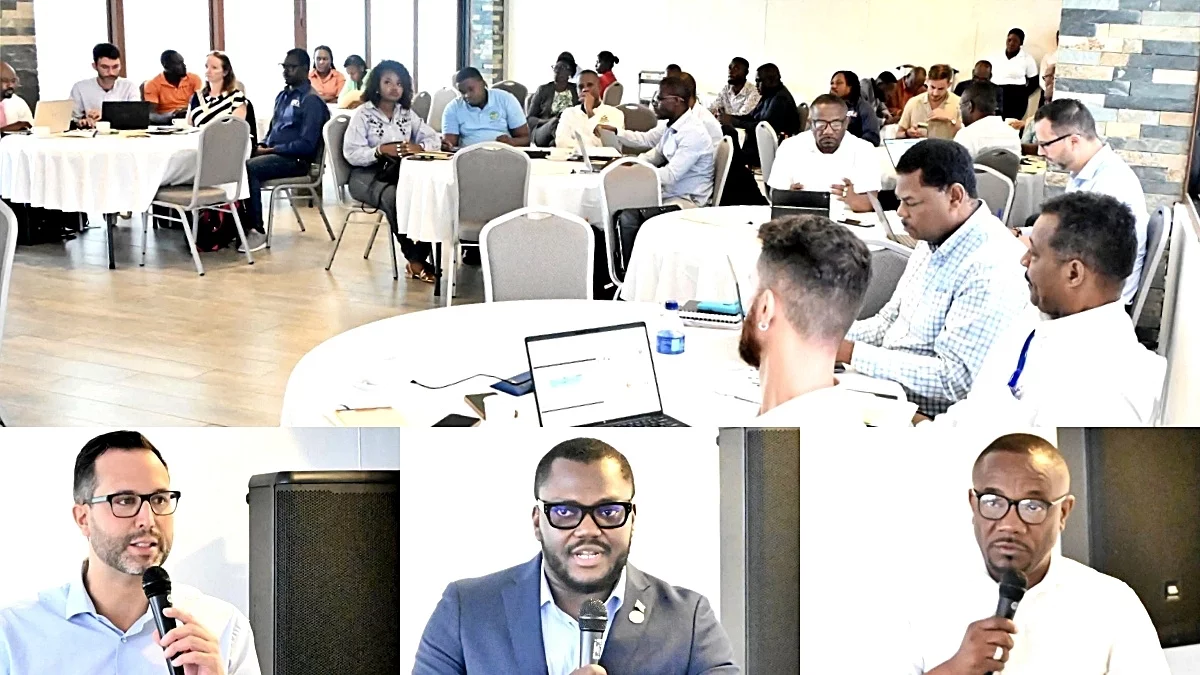
Steering Committee Approves Inclusive Blue Economy Project in Haiti
The Steering Committee of the Inclusive Blue Economy (I-BE) project has approved its implementation plan for the fiscal year 2026-2027 during a recent meeting in Cap-Haitien. This initiative aims to enhance the sustainable management of marine and coastal resources while improving the living standards of populations reliant on these ecosystems.
The project will be coordinated by the Ministry of the Environment in collaboration with the Ministries of Economy and Finance, Agriculture, and supported by the International Fund for Agricultural Development (IFAD).
The meeting was presided over by Valéry Fils-Aimé, the Minister of the Environment, who emphasized the importance of managing Haiti’s rich marine heritage, which is currently threatened by climate change and unsustainable practices. He called for a clear governmental approach to leverage natural resources as a means for sustainable development.
Marcelin Aubourg, Minister of Agriculture, also participated in the discussions, highlighting the need to strike a balance between resource protection and the enhancement of livelihoods for those dependent on these resources. He noted that the I-BE project aligns with the government’s roadmap to achieve food security and combat hunger.
The project aims to support approximately 24,000 households across various sectors, including artisanal fishing, rice farming, beekeeping, cattle breeding, and microfinance access. It primarily targets municipalities such as Caracol, Limonade, Terrier-Rouge, Fort-Liberté, and Ferrier in the North and Northeast departments.
During the evaluation of the project’s impact, Samir Bejaoui, the IFAD Country Director, commended the progress made so far, attributing improvements in beneficiary living conditions to entrepreneurship initiatives and technical support provided by involved institutions. He noted that the efforts of the Ministry of the Environment and other implementing agencies have played a crucial role in helping communities enhance their resilience against economic, climate, and social challenges.
The I-BE project represents a significant investment in Haiti’s blue economy, with an emphasis on diversifying income sources and fostering sustainable economic development in coastal communities.
Why It Matters
The approval of the Inclusive Blue Economy Project underscores Haiti’s commitment to sustainable development practices that are crucial for environmental preservation and community resilience. As the project seeks to balance economic growth with resource protection, its success could set a precedent for similar initiatives in the region, ultimately contributing to national goals of food security and poverty alleviation.
