




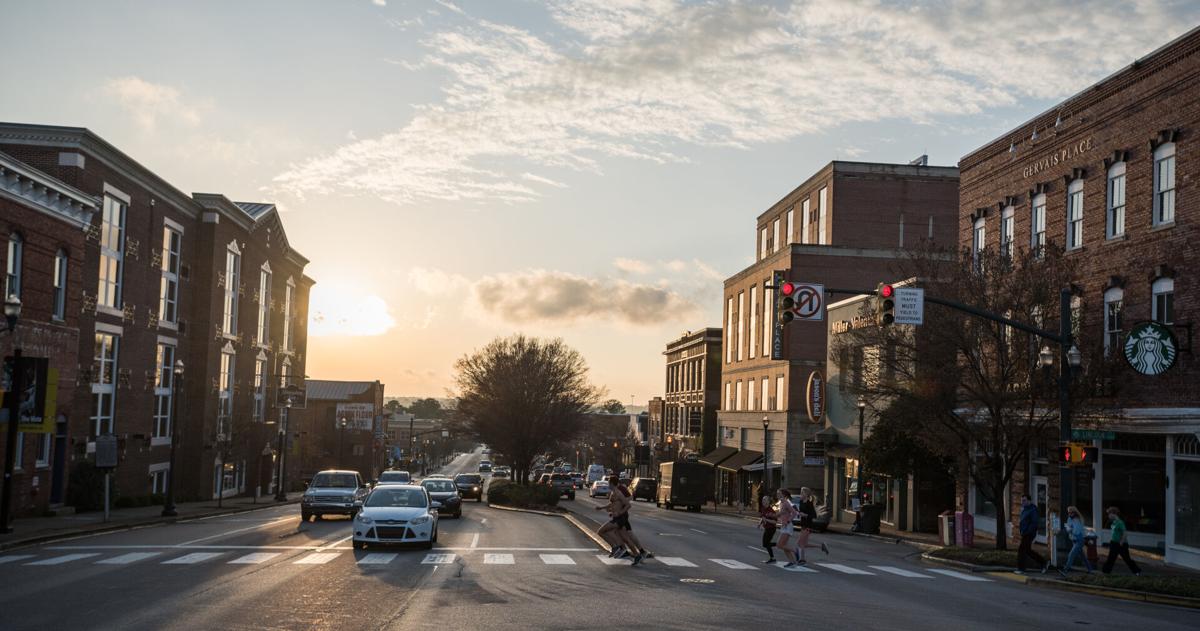
The Vista, a neighborhood in Columbia, South Carolina, is poised for significant growth as developers and city officials look to enhance the area’s infrastructure and amenities. Positioned strategically near Finlay Park, the riverfront, and a variety of existing businesses, community leaders are discussing future developments while addressing the need for thoughtful urban planning.
According to city officials, the district’s location offers a unique advantage for potential growth. “You’re close enough where you can be tied to Finlay Park, you’re close enough to the river, you’re close enough to all those restaurants,” stated local leader Rickenmann. The existing infrastructure includes a Publix grocery store and several banks, which positions the Vista as a convenient hub for residents and visitors.
Addressing Growth Challenges
Despite optimism surrounding the area’s development, locals express concerns about the pace and planning of new investments. Residents highlight the necessity for improved infrastructure, additional housing options, and a more diverse range of retailers to support the area’s evolving needs. Craig, another community leader, emphasized the importance of maintaining the charm of the Vista during this growth phase. “We just need to protect what we already have,” she explained.
While there is excitement for new amenities, some residents worry about the cumulative impacts of multiple projects occurring simultaneously. Carolyn Leedecker, president of the Vista Neighborhood Association, voiced her concerns, stating, “We’re not fighting development that they want to bring in. We just don’t think that they’re planning for it the way they should.” This sentiment reflects a desire for a balanced approach to development, ensuring local character and community needs are not compromised.
The area’s historic significance as both an industrial zone and an entertainment district adds another layer to the ongoing discussions. As the University of South Carolina continues to expand, there are fears that the growth might overshadow the Vista’s unique arts district legacy. Community leaders advocate for preserving the charm and history of Columbia, urging that the city refrain from letting its districts become homogenized.
The Vista’s evolution highlights the complexities of urban development and community preservation, raising important questions about how cities manage growth while honoring their historical identities.
Why It Matters: The ongoing developments in the Vista reflect broader trends in urban growth and community planning, as cities like Columbia navigate the balance between modernization and the preservation of local heritage. As resident voices become increasingly prominent in these discussions, the outcome could set a precedent for future urban development projects in similar neighborhoods.
