




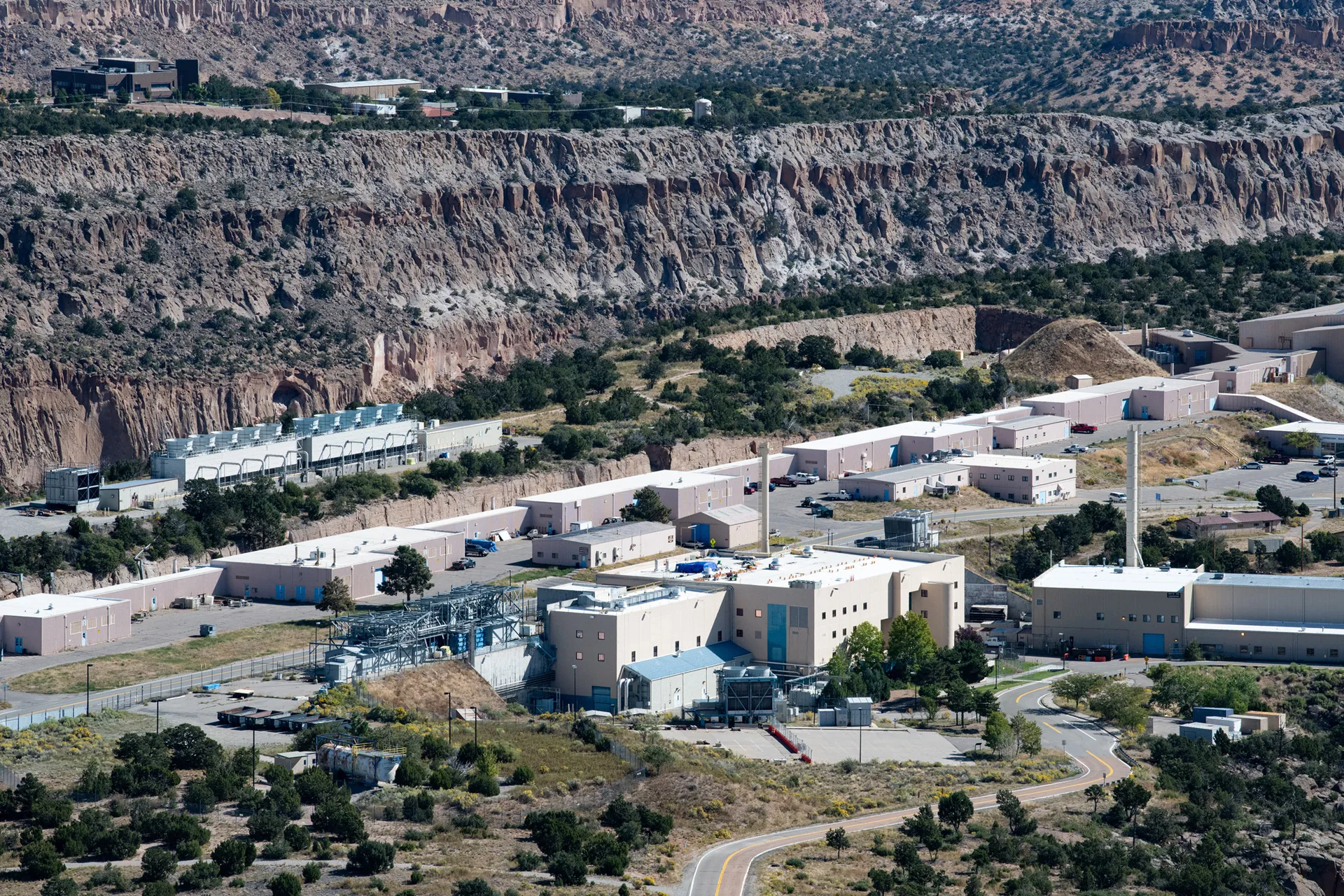
The Los Alamos Neutron Science Center (LANSCE) recently received Critical Decision-1 (CD-1) approval from the National Nuclear Security Administration, marking a vital step in the modernization of the facility. This approval, granted by U.S. Deputy Secretary of Energy James Danly on June 1, allows the Los Alamos Accelerator Modernization Project (LAMP) to move into the design phase, where detailed plans for replacing and updating the facility’s aging systems will be developed.
Significance of the CD-1 Approval
The LANSCE facility has been in operation for over 50 years, and many of its original systems have not undergone significant changes during that time. This modernization project aims to replace critical components that are now considered obsolete and lack available replacements.
Charlie Nakhleh, deputy Laboratory director for Weapons, emphasized the achievement, stating, “Reaching CD-1 just 18 months after CD-0 is a real accomplishment for a project of this size and complexity.” He remarked that the approval provides a clear path forward to ensure LANSCE maintains its world-class accelerator capabilities, which are essential for national security missions.
LANSCE offers a unique combination of scientific capabilities, including dynamic proton radiography, materials science, neutron scattering, and nuclear physics research, making it an invaluable part of the nation’s scientific infrastructure. The facility is equipped to handle hazardous materials and classified data, allowing it to address critical national security needs.
Pat Fitch, deputy Laboratory director for Science, Technology, and Engineering, noted that the modernization project is essential to mitigate challenges posed by aging infrastructure. He also stated, “Moving into the design phase is a crucial step toward addressing these challenges.” Over recent years, LANSCE has experienced increasing signs of wear, with significant failures and downtime affecting its operational reliability.
The modernization will replace the accelerator’s front end, introducing modern ion sources and components to enhance the facility’s performance. The estimated cost of the project ranges from $687 million to $1 billion, with an emphasis on improving reliability, reducing maintenance needs, enhancing worker safety, and extending the operational lifespan of the facility for both NNSA and non-NNSA customers.
The LAMP project, funded through the NNSA Office of Experimental Sciences, received initial approval (CD-0) in November 2024 and is now prepared to advance towards CD-2/3, where detailed designs will be established, forming the project baseline.
Why It Matters
This modernization initiative is critical not only for the operational longevity of LANSCE but also for maintaining the facility’s crucial role in national security research and scientific advancements. Enhancements to the infrastructure will ensure the reliability and efficiency of its capabilities for years to come.
