




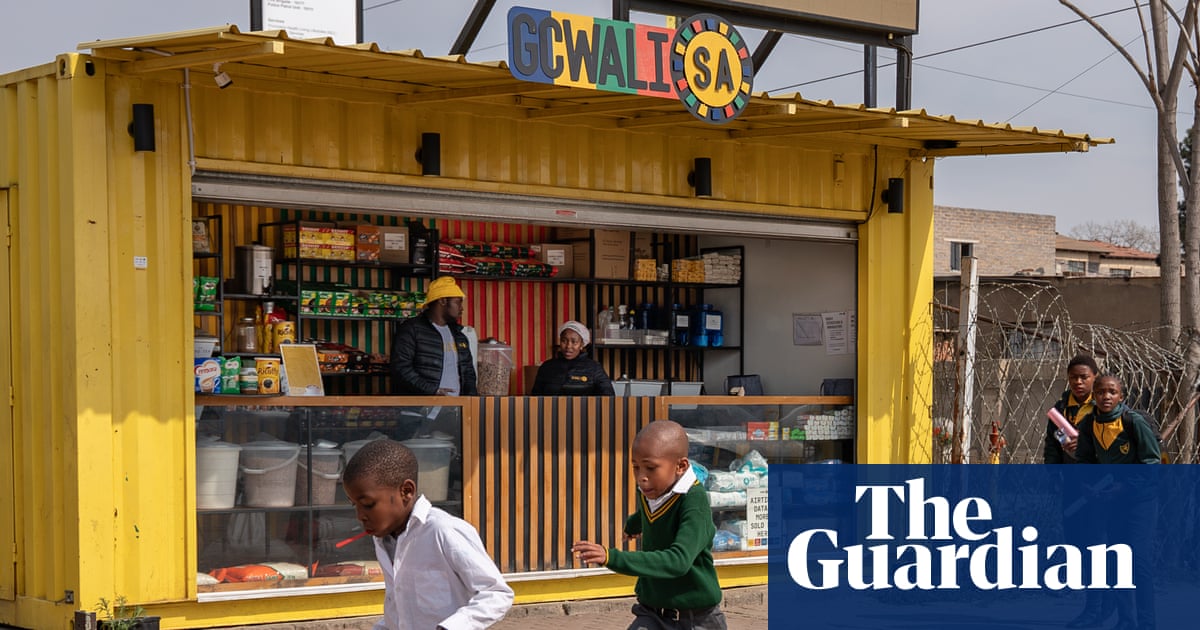
In Johannesburg’s Alexandra township, a new model for grocery shopping is addressing food insecurity and malnutrition among low-income families. Gcwalisa, which translates to “fill up” in isiZulu, is a social enterprise that allows customers to purchase food and household items by weight, enabling them to buy only what they can afford. This initiative is a response to the economic challenges faced by many families in the area.
Innovative Approach to Food Accessibility
Tsholofelo Mphela, a local laundry shop owner and the main provider for a family of eight, often struggles to afford essential items like sugar. At Gcwalisa, she can buy as little as a few spoonfuls of sugar, a vital resource for her household. “At times, I don’t have enough money to buy a 2kg bag of sugar,” she expressed. With a 2kg bag priced at approximately 60 rand (about $3), the ability to purchase smaller quantities proves invaluable.
Launched in 2022, Gcwalisa has expanded to six locations across Alexandra, selling a variety of items including rice, beans, and household products. Josephine Katumba, the head of operations, highlights the significance of these shops in food deserts, where access to nutritious food is limited. She emphasized their mission to provide accessibility to healthy options for those with limited financial means.
A recent national survey indicated that two-thirds of households in South Africa are experiencing food insecurity, with nearly 30% of children under five affected by stunting due to chronic malnutrition. Despite the country’s capacity to produce sufficient food, many individuals face dire economic conditions that hinder their ability to afford healthy choices. Professor Julian May from the University of the Western Cape pointed to an extremely high unemployment rate, approximately 43%, as a significant factor in this paradox.
The Gcwalisa initiative seeks to counteract what founder Miles Kubheka describes as the “poverty tax,” whereby poorer families pay more for pre-packaged items. Notably, customers are encouraged to bring their own containers, promoting sustainability while addressing immediate needs. The shops have also begun to offer household essentials, including detergent and medical supplies, and have installed solar panels in response to ongoing power cuts, providing electricity to the surrounding community.
The Gcwalisa shops serve as a multi-faceted support system, providing free Wi-Fi for students and even acting as medical pickup points for essential medications. These services demonstrate an innovative approach to community welfare amidst persistent challenges.
Why It Matters
The rise of Gcwalisa in Alexandra highlights both the pressing issue of food accessibility in urban South Africa and the potential for innovative solutions to address poverty-related challenges. As the country grapples with high levels of food insecurity, such initiatives could serve as vital lifelines for families struggling to meet their basic needs.
