




South Africa has implemented a new fuel levy of 87.66 South African cents per litre on petrol and diesel, effective from Wednesday, October 7. This levy is aimed at addressing an accumulated deficit in the country’s fuel price regulation mechanism.
The fuel levy, known as a slate levy, is a temporary charge that adjusts based on the financial balance of the fuel price regulation. It is applied when the total negative balance exceeds 500 million rand. As of the end of August, the combined debt for petrol and diesel stood at 10.456 billion rand, prompting the introduction of the new levy.
Concerns have already emerged regarding the impact of rising fuel prices. A filling station owner in Khayelitsha reported that small operators, particularly those who purchase fuel in cash, are facing significant challenges due to escalating fuel costs. These issues were highlighted as two filling stations in Macassar and Eerste River were found to have no petrol available, according to local reports.
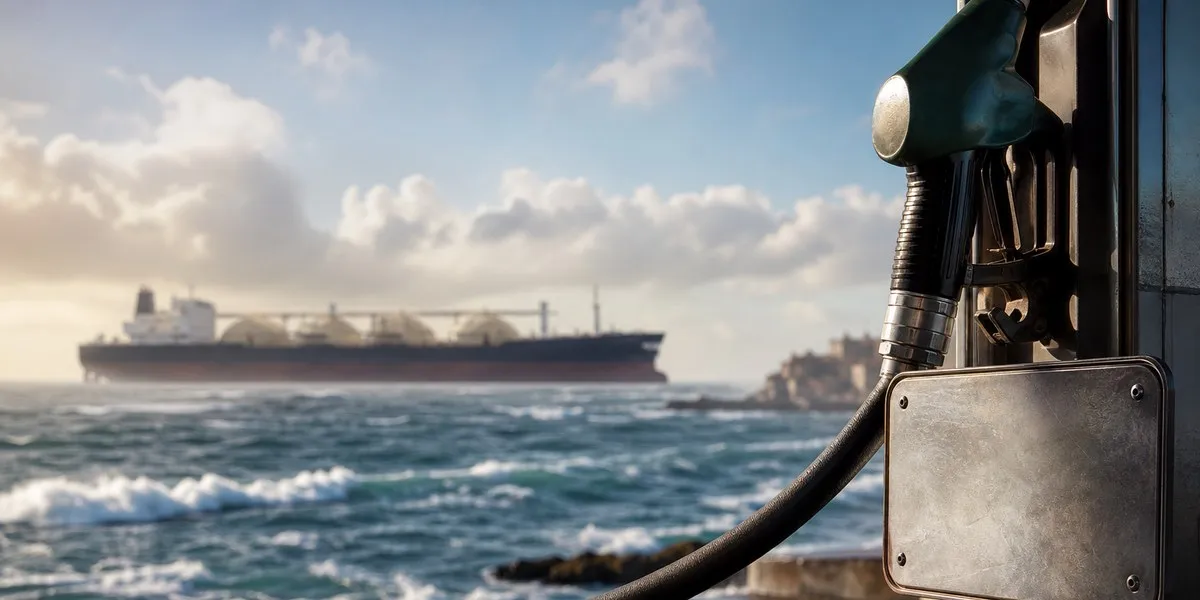
South Africa’s heavy reliance on imported refined petroleum products further complicates the situation. Increased shipping costs are affecting the overall price of fuel, with higher expenses attributed to multiple factors, including geopolitical tensions. Reports link these rising supply costs to recent attacks by Houthi forces on Saudi Arabia’s oil infrastructure.
As a result of increased danger in key maritime routes, such as the Bab el-Mandeb Strait, tankers must now take longer routes around southern Africa. This change has extended delivery times by 15 to 29 days, decreasing the availability of tankers. Charter rates for supertankers have surged significantly, jumping from $30,000–$60,000 per day to between $642,000 and $1.3 million.
The expenses for transporting oil via sea have also escalated, rising from $3 to between $23 and $33 per barrel. Additionally, war-risk insurance for vessels operating in the Red Sea has increased dramatically, from less than 1% to between 3% and 7% of the vessel’s hull value. The diesel refining margin, or the differential between the price of finished fuel and crude oil, has risen sharply from about $20 to $110 per barrel, contributing to higher prices.
As South Africa continues to navigate these challenging circumstances, locals will be watching how the new levy affects their fuel costs and day-to-day expenses in the coming weeks.
