




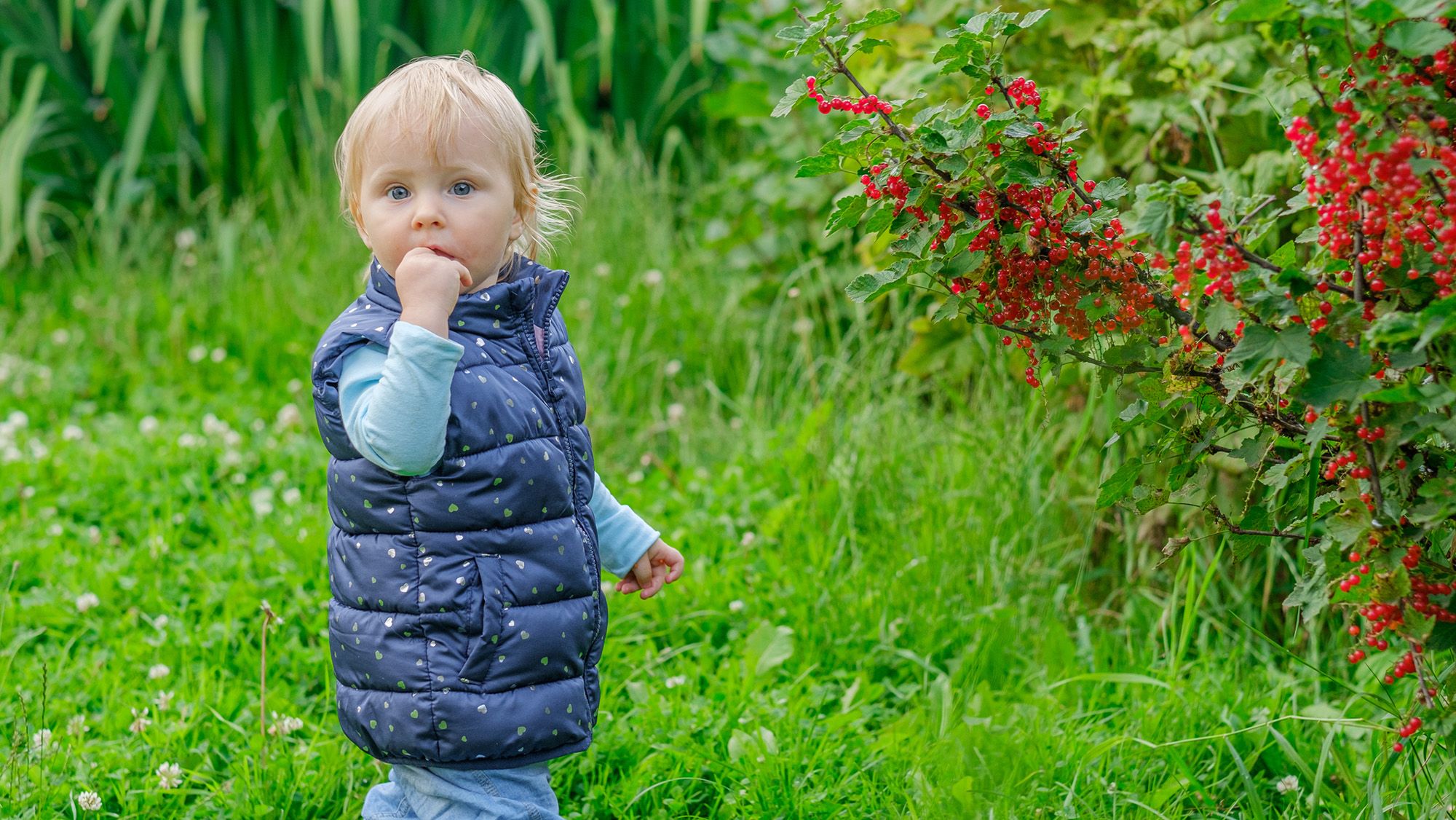
If a blond preteen appears to be darkening in hair color, it is not an illusion. Many children with initially platinum blond hair experience a transition to darker shades, potentially reaching brown or even black as they age.
Understanding the Change in Hair Color
The primary reason for this transformation stems from a complex interplay of genetics, pigment-producing cells, and hormonal changes that occur as children grow. Researchers have identified numerous genes linked to hair color, yet the exact reasons behind why some blond children’s hair darkens while others remain blond are not fully understood.
According to Desmond Tobin, a professor of dermatological science at University College Dublin, genetic factors largely dictate hair pigmentation. Hair color is determined by the type and amount of melanin produced in hair follicles, which is created by specialized cells known as melanocytes. There are two main classes of melanin: eumelanin, which produces darker shades, and pheomelanin, known for lighter, yellow and red tones. Generally, higher levels of eumelanin correlate with darker hair.
As children approach puberty, typically between the ages of 10 and 13, the most noticeable darkening of hair occurs. This change may be influenced by hormonal shifts, as hormones like estrogens and androgens can stimulate increased production of eumelanin. Those who remain blond often have genetic traits that hinder eumelanin production.
The exact mechanisms by which hormones affect hair pigmentation remain somewhat elusive. The melanocortin hormone system, which includes alpha-melanocyte-stimulating hormone, governs melanin production. Although this hormone is known to trigger pigment production in response to UV light, no definitive link has been established between increased levels of these hormones during puberty and the darkening of blond hair.
Researcher Wojciech Branicki from Jagiellonian University in Poland suggests that genetic variations may influence how different children’s hair follicles respond to hormonal changes. This could lead to varied reactions in hair darkening among children with similar initial hair color. While there have been advancements in understanding human genetic variation, knowledge gaps still exist regarding the specific genes and their interactions with hormones during puberty.
Ultimately, the dynamics of hair color change in children represent a unique intersection of genetics and hormonal development. Continued research is necessary to unravel the complex genetic mechanisms that dictate these transformations.
Why It Matters
The understanding of how hair color changes with age is not only of interest to scientists but also to parents who observe these changes in their children. Recognizing the role of genetics and hormonal factors may provide insights into child development and the biological processes behind physical changes during puberty.
