




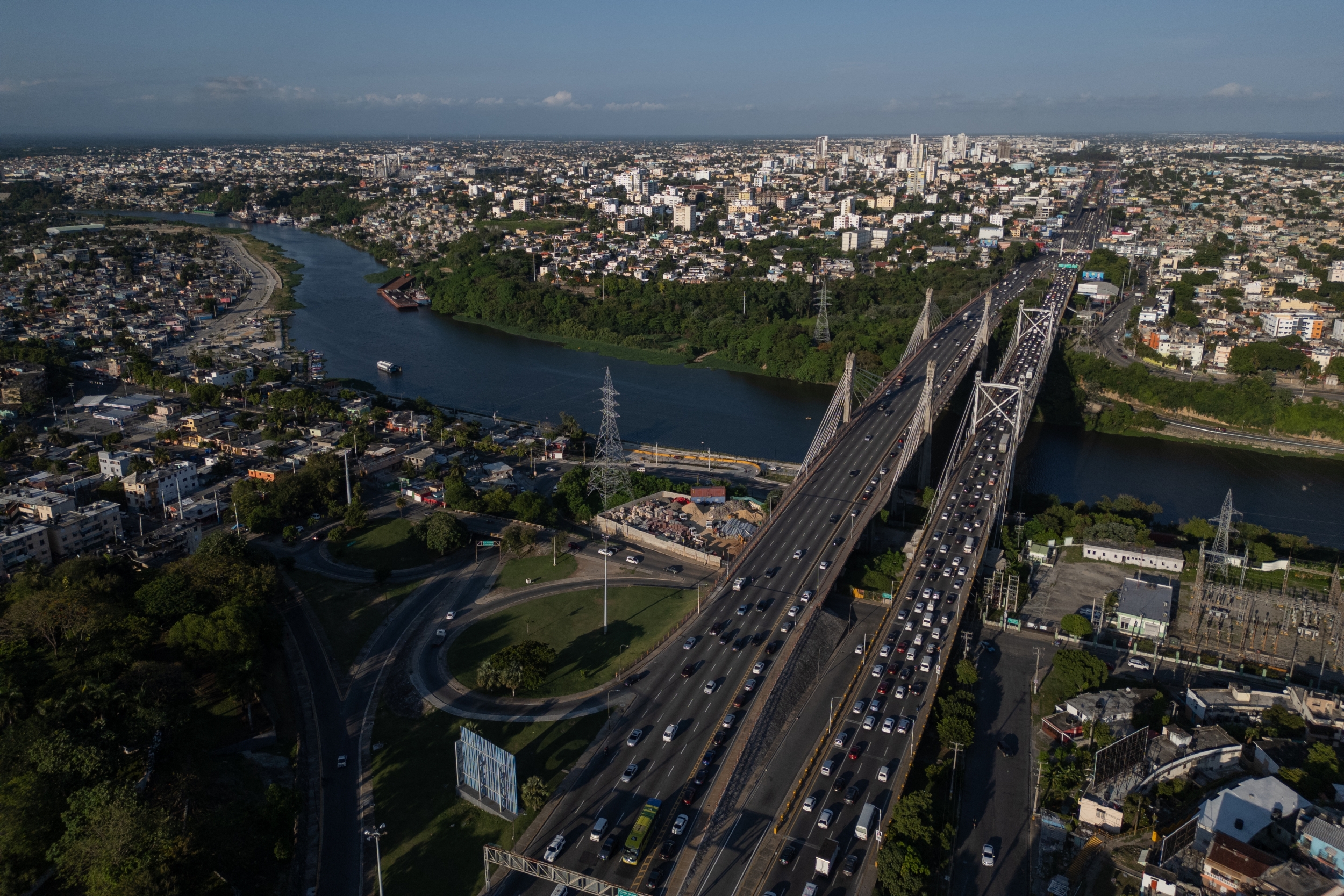
Photo by Federico PARRA / AFP) (Photo by FEDERICO PARRA/AFP via Getty Images
In a move aimed at revitalizing the construction sector, the Dominican Republic’s Ministry of Housing has implemented a series of reforms that have significantly accelerated the permitting process for construction projects. Under the leadership of Housing Minister Jean Luis Rodríguez, the ministry has committed to completing permit approvals within 30 days, provided all necessary documentation is submitted correctly.
Surge in Construction Licenses
During the first half of 2026, the Ministry of Housing, Habitat and Buildings (Mivhed) issued 921 construction licenses, marking an 80% increase compared to the 512 licenses approved during the same period in 2025. This surge has facilitated approximately RD$330 billion in private investment, equivalent to about $5.6 billion, representing a 157% increase year-on-year. By the end of July, the number of licenses issued reached 1,122, which is an 85% rise from 605 in July of the previous year. This growth corresponds to about RD$406.7 billion, or nearly $6.9 billion, in investments, with July alone setting a record for the highest number of licenses issued in a single month since the agency’s inception in 2021.
Minister Ito Bisonó, who oversaw the initial phase of this reform, emphasized the transformational nature of the permitting system beyond just technological upgrades. On August 16, he transitioned to a new role overseeing foreign policy, and Rodríguez took over the housing ministry, continuing the reform agenda. At a business forum on September 15, Rodríguez highlighted the “Zero Bureaucracy” initiative aimed at reducing red tape and increasing efficiency, noting an ongoing commitment to processing construction licenses swiftly.
Impact on the Economy
The real estate and construction sectors are expected to contribute significantly to the country’s economy, with the Central Bank reporting a year-over-year expansion of 14.9% in construction by June 2026. The sector is contributing to nearly 30% of overall economic growth for the month, while credit availability for construction firms rose by 22.6% compared to the previous year.
The reforms are also affecting members of the Dominican diaspora, as highlighted by recent real estate fairs aimed at attracting investments from Dominicans living abroad. Notable banks, such as Banco BHD and Banreservas, have held events to connect potential buyers with local developers, indicating an active engagement with the diaspora in the real estate market.
Looking Ahead
Rodríguez’s goal of achieving a 30-day permit processing timeline is described as the “final stage” of a broader effort, but no set start date has been established. The success of these promises will be crucial in determining whether 2026 is viewed as a year of genuine operational improvement or one marked by administrative challenges.
Why It Matters
The changes in the permit approval process reflect a significant shift in the Dominican Republic’s approach to fostering investment and stimulating the economy, particularly in the construction sector, which plays a vital role in overall economic growth. The anticipation surrounding these reforms has implications not just for domestic investors, but also for those from the diaspora, highlighting the interconnectedness of the global Dominican community.
