




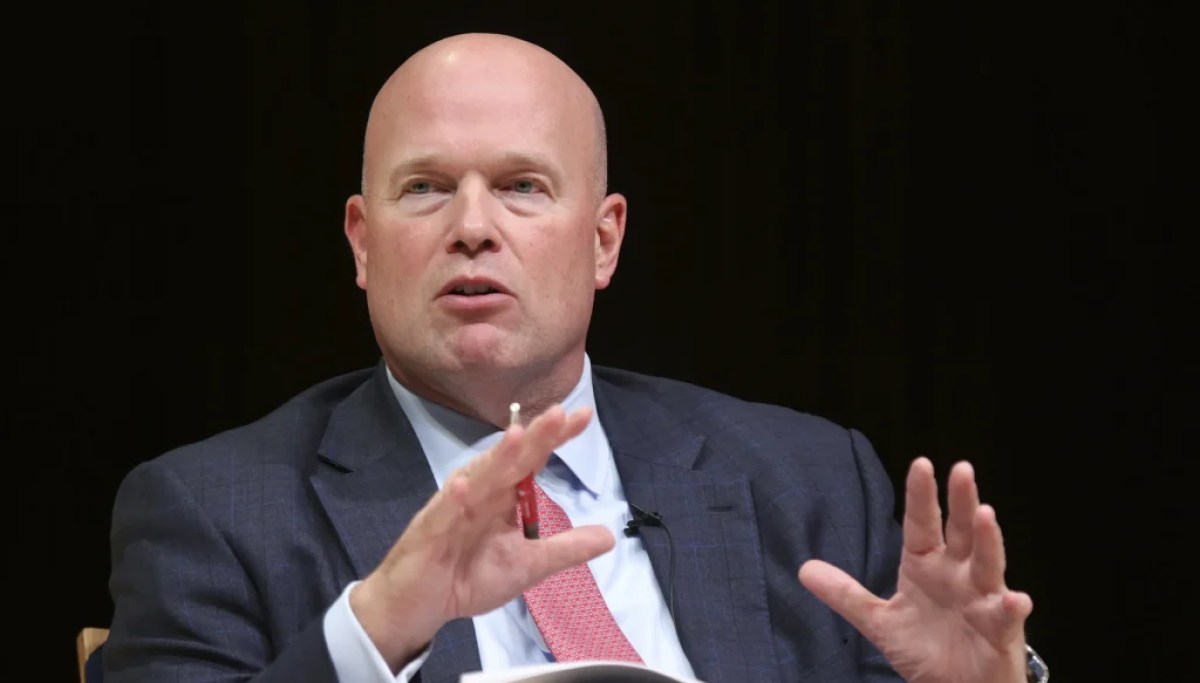
Matthew Whitaker, the U.S. ambassador to NATO, emphasized the need for Europe to enhance its military infrastructure during his address at the Warsaw Security Forum. He urged that the alliance should prioritize rapid troop deployments from Western to Eastern Europe to address potential conflicts.
Speaking in Poland, Whitaker noted that making logistical improvements is critical, particularly as Eastern Europe is likely to be the focal point of any future military confrontations. “Europe has got to be prepared for conflict because, as President Washington reminded us and as the Romans reminded us, the most effective way to ensure peace is to be prepared for war,” he stated.
His remarks come amid growing concerns among Eastern European nations, including Poland and Lithuania, about a possible increase in Russian aggression. These nations are particularly wary of potential attacks on NATO allies, especially after more than four years of Russia’s conflict with Ukraine.
In a related development, Polish Interior Minister Marcin Kierwinski reported that authorities had recently arrested an individual suspected of plotting an attack against Prime Minister Donald Tusk. This incident heightens the urgency of discussions at the forum, particularly with Tusk’s vocal support for Ukraine and his calls against hybrid warfare tactics from Russia.
General Alexus Grynkewich, the Supreme Allied Commander Europe for NATO, indirectly warned of a strong response to any Russian attacks on NATO countries. He referred to Russia as “the adversary” and stated, “Should the adversary choose to press the attack or commit his reserves, we will break the warfighting system engaged against us. This includes not just the attacking force itself, but anything and everything that supports, sustains, and controls that force.”
Meanwhile, Lithuania is taking proactive steps to bolster its defenses, driven by fears of potential Russian hybrid warfare. The Lithuanian Parliament has begun deliberations on legislation that would allow the stationing of nuclear weapons on its territory, with a final vote expected in January.
The ongoing geopolitical tensions were underscored earlier this week when President Donald Trump announced a ceasefire regarding energy infrastructure between Russia and Ukraine. Trump suggested that Ukraine may need a new leadership direction to negotiate effectively for peace. In response, Ukrainian President Volodymyr Zelensky accused Russian President Vladimir Putin of violating the ceasefire agreement.
