




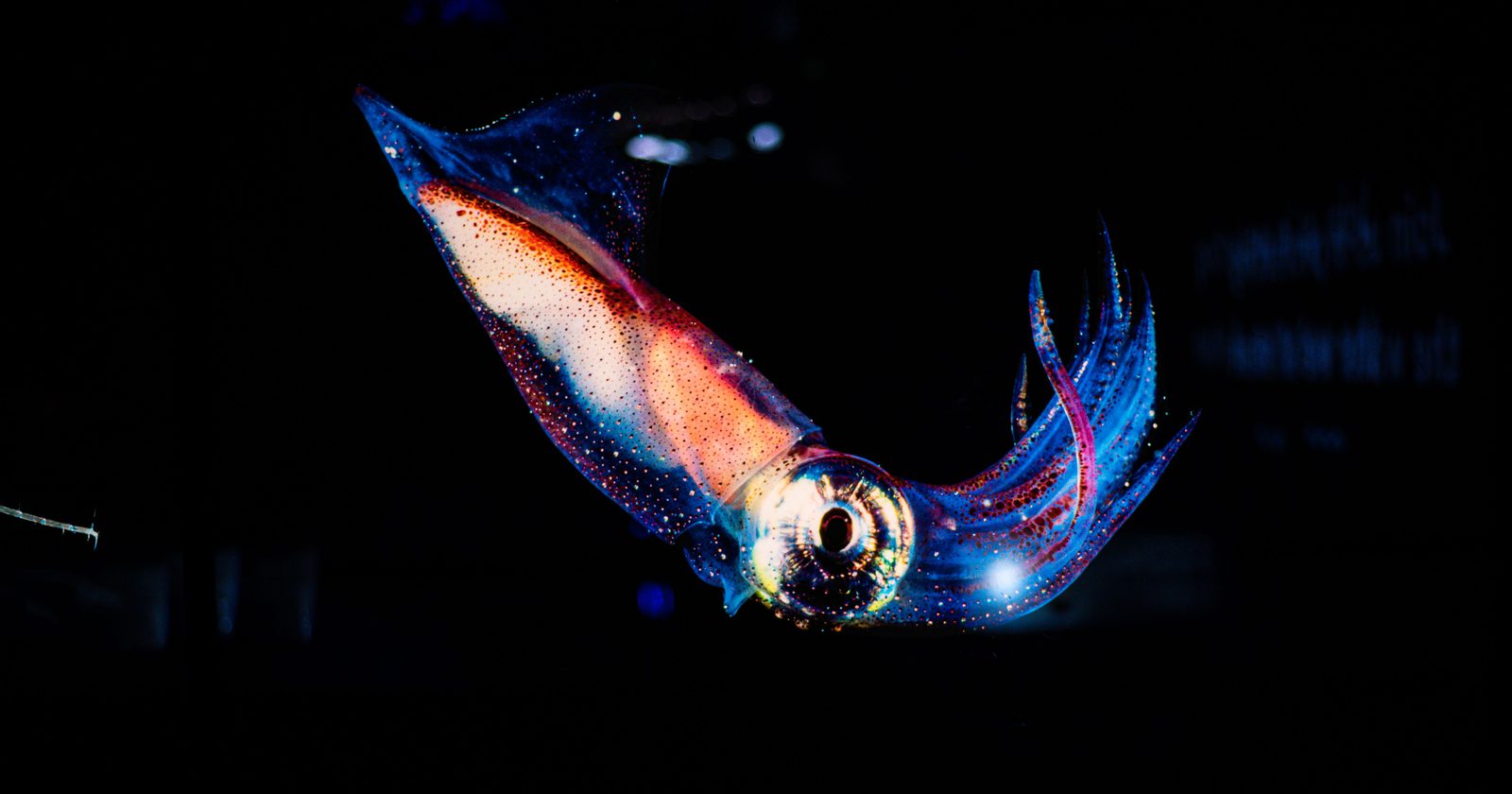
In a groundbreaking event, researchers captured footage of a juvenile colossal squid alive in its natural habitat for the first time. This significant occurrence took place on March 9, 2025, at a depth of approximately 1,968 feet (600 meters) near the South Sandwich Islands in the South Atlantic Ocean. The Schmidt Ocean Institute reported that the squid, measuring about a foot long and nearly translucent, represents a remarkable advancement in cephalopod research.
A Century of Observation Through Remains
The colossal squid, scientifically known as Mesonychoteuthis hamiltoni, was first described in 1925 based on two arm crowns discovered in the stomach of a sperm whale. This historical account, as noted by the Museum of New Zealand Te Papa Tongarewa, primarily relied on remains and incomplete specimens for study. Only nine specimens of the species above juvenile size have been reported since its initial discovery, with much of the scientific knowledge coming from what predators consumed.
Kat Bolstad, a squid biologist at Auckland University of Technology, emphasized that for a century the colossal squid was mostly known through its presence in the stomachs of predators, rather than being observed alive. The recent footage from the research vessel Falkor (too), using a remotely operated vehicle named SuBastian, has changed this narrative.
The evidence confirming the authenticity of the footage was confirmed through consultation with squid experts. Aaron Evans, a specialized glass-squid expert, pointed out the defining anatomical features of the colossal squid, particularly noting the presence of hooks on its arms as a means of verification.
Challenges in Filming Deep-Sea Creatures
Capturing live footage of colossal squids has proven challenging due to their deep-ocean habitats, which can exceed depths of 3,200 feet. The nature of their home, combined with the species’ probable aversion to loud noises and bright lights—common characteristics of research equipment—has made such observations rare. Chief scientist Michelle Taylor, who led the expedition, highlighted the unusual nature of this sighting, calling it a “once-in-a-lifetime situation.”
While the footage marks a milestone, experts caution that it doesn’t provide comprehensive insights into the life cycle, hunting methods, or reproductive behaviors of the species. Nevertheless, the discovery offers a valuable starting point for further studies and enhances the understanding of a creature that remained largely enigmatic for decades. Bolstad remarked on the excitement of witnessing a juvenile colossal squid in situ, underscoring the mystery surrounding such deep-sea organisms.
Why It Matters
The ability to capture live footage of a colossal squid contributes significantly to marine biology and our understanding of deep-sea ecosystems. This observation sheds light on a previously unrecorded aspect of a creature that has fascinated scientists and the public alike. As researchers continue to explore the depths of the ocean, such discoveries may redefine what is known about marine life and highlight the importance of conservation efforts in uncharted territories of our planet.
