




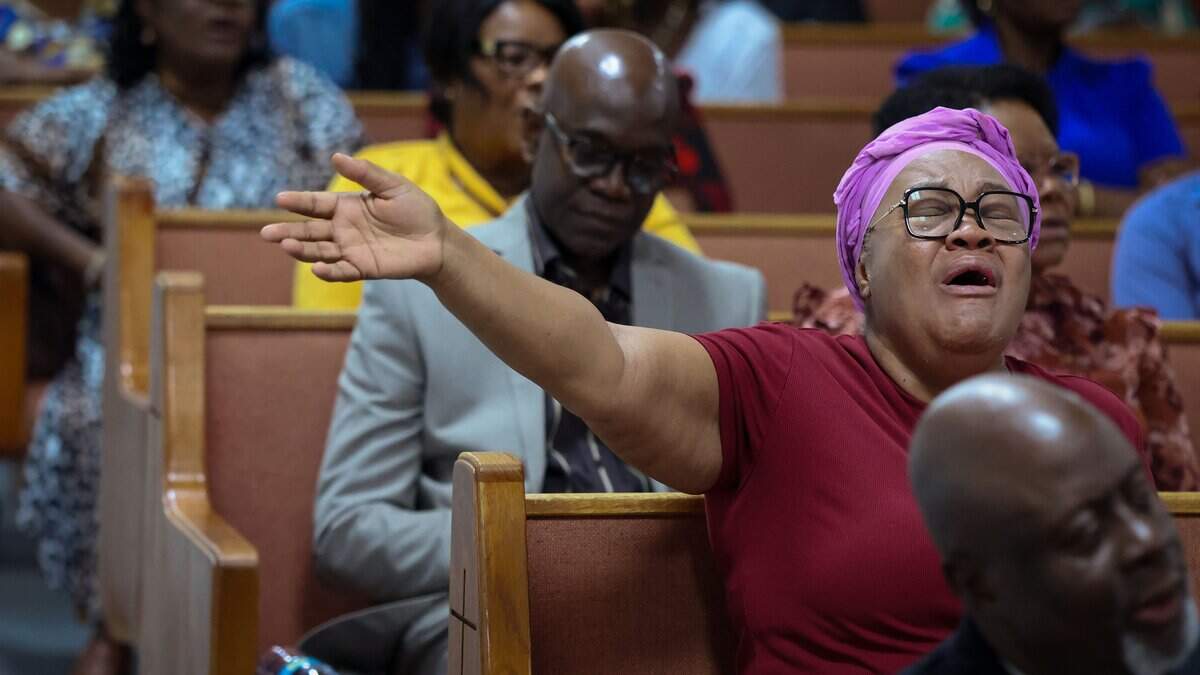
As the Haitian community in South Florida grapples with the recent termination of Temporary Protected Status (TPS), attendance at local churches, particularly in Miami Gardens, has significantly declined. Reports from Bethel Evangelical Baptist Church indicate approximately a 20% drop in congregants since the end of TPS, which affected over 300,000 Haitians, creating a heightened sense of uncertainty and fear within the community.
Members Need Help
On a recent Sunday, attendees listened intently to Pastor Keny Felix’s sermon addressing love in a hostile environment. Many congregation members nod in agreement, connecting deeply with the pastor’s words about navigating through challenging times, including the anxiety brought on by immigration concerns. The loss of TPS has left many facing the grim choice to either self-deport to an unstable Haiti or remain in the United States without legal status, which can lead to detention and deportation.
Many in the community have opted to stay home out of fear for their safety. Pastor Felix noted, “It’s hard when you feel that you’ve been oppressed… it’s hard to say ‘Father, forgive them.’” Such sentiments resonate widely among congregants who feel increasingly vulnerable.
The decline in attendance has coincided with a rise in requests for assistance with food, legal services, and rent. Pastor Jimmy Loiseau of the Tabernacle of Glory mentioned that the congregation is struggling financially as many members lose their jobs and work permits. The church, he stated, does not have unlimited funds to cover every need, leading to difficult conversations about how much assistance can be provided.
Churches have long served as refuge for the Haitian community, especially during crises like the earthquake in Haiti in 2010, which resulted in TPS being granted. Now, with many congregants too frightened to attend services, church leaders are increasingly concerned about the isolation this could foster and its potential impact on mental health. They are implementing safety protocols in case of immigration enforcement activities, which could further scare members away.
As the Department of Homeland Security reportedly increases deportation flights to Haiti, the sentiment among church leaders is that these evolving dynamics pose severe challenges not only for worship but also for community cohesion. The emotional toll on the Haitian community continues to mount, reflecting a broader climate of fear and uncertainty.
Protecting Congregants
Pastors are adapting their approaches to ensure the safety of their congregations while trying to maintain a sense of normalcy. Online services and the cancellation of community events are part of an effort to address congregants’ fears. Loiseau emphasized the importance of protecting their members and making sure their rights are not violated while navigating these precarious circumstances.
Ultimately, as congregations face this ongoing crisis, church leaders like Felix and Loiseau stress the need for both spiritual and tangible support amidst the growing despair within the community.
Why It Matters
The decline in church attendance highlights the significant effects of legal and immigration changes on local communities, particularly vulnerable populations. As Haitians navigate their uncertain futures, churches remain critical support systems, embodying resilience and hope amid difficult circumstances.
