




Haitians Face Uncertain Future as TPS Ends
The expiration of Temporary Protected Status (TPS) for Haitian immigrants marks a pivotal moment for nearly 350,000 individuals residing in the United States. Originally granted in 2010 following a catastrophic earthquake, TPS allowed Haitians to live and work in the U.S. during periods of destabilization in their home country. The status had been continually extended due to persistent political and humanitarian crises; however, it ended on July 27, 2023.
The decision to terminate TPS was influenced by a legal ruling favoring the Trump administration, which has since deported hundreds of Haitians back to a country facing profound challenges. Among those affected are approximately 158,000 Haitians in Florida, concentrated primarily in South Florida.
The current context of Haiti is dire. Activists have expressed deep concerns regarding the safety and well-being of returnees, highlighting escalating gang violence and a significant lack of resources. More than half of Haiti’s nearly 12 million citizens are in need of humanitarian assistance due to escalating poverty and hunger, alongside deteriorating security conditions.
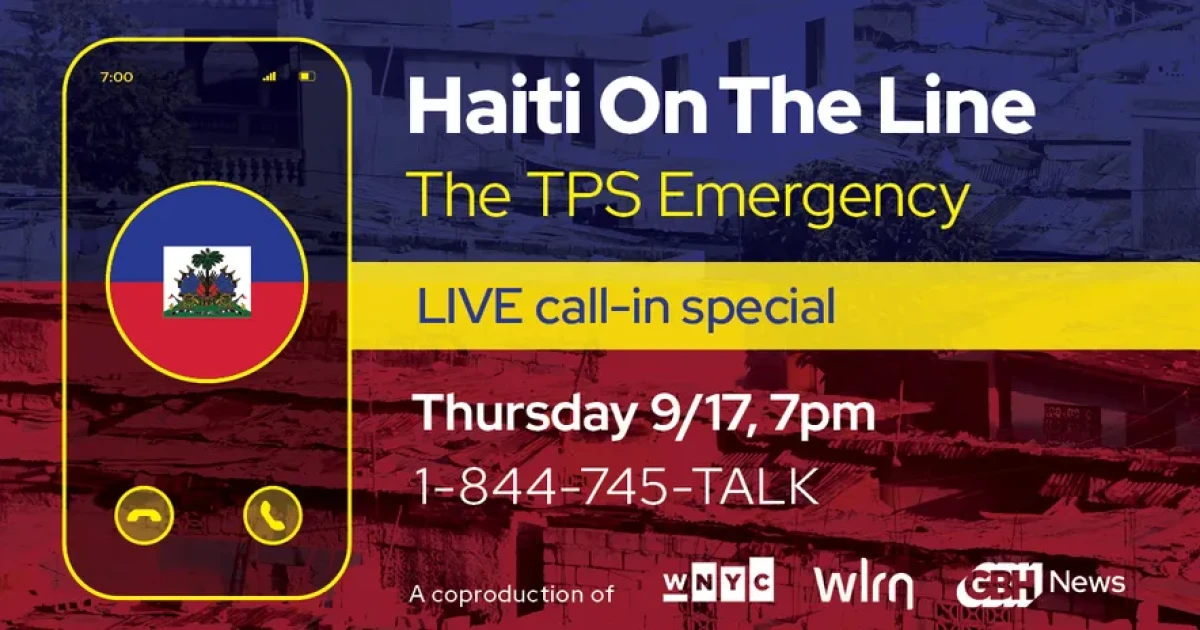
To further explore the implications of TPS termination, various public media outlets in cities with substantial Haitian populations—such as Boston, New York City, and Miami—are organizing discussions on the impact of this policy change. These initiatives aim to present the perspectives of experts and directly affected community members.
Expert panels will include voices from across the spectrum, such as Tim Padgett, Americas Editor at WLRN, immigration lawyer Frandley Julien, and Vania André, editor-in-chief of the Haitian Times. They will examine the challenges and potential outcomes brought about by the end of TPS and gather input from callers sharing their experiences.
Why It Matters
The end of TPS for Haitian immigrants raises significant concerns about the future well-being and safety of those affected. As gang violence and socioeconomic struggles escalate in Haiti, the situation for returnees becomes increasingly precarious, prompting discussions about the U.S. immigration system and its impacts on vulnerable populations. This policy shift underscores broader issues of humanitarian response and migration policy in the face of crises.
