




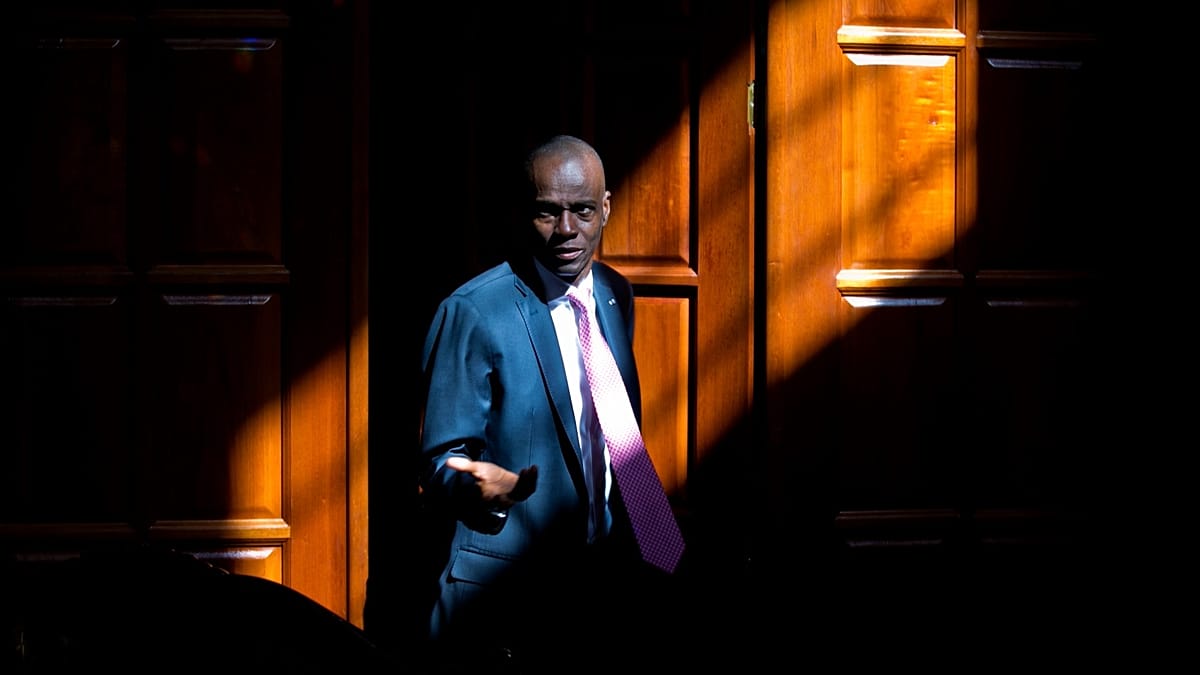
US authorities have announced the extradition of 18 suspects connected to the assassination of Haiti’s President Jovenel Moïse in 2021. These individuals were transported to Florida to face charges, according to official statements made on Sunday.
Details of the Extradition
Moïse was assassinated on July 7, 2021, at his residence, reportedly by a group of approximately 20 military-trained Colombian mercenaries. Reports indicate that his security personnel did not intervene during the attack.
FBI Special Agent Brett Skiles highlighted the significance of the arrests, stating, “Today’s multi-location and international arrests underscore the FBI’s continued commitment to bringing all participants in this plot to justice.” Federal prosecutor Jason Reding Quinones confirmed that the 18 suspects were flown from Haiti via military transport to stand trial in the Southern District of Florida.
Among those extradited is Joseph Felix Badio, identified as a main suspect in the investigation and a former official in Haiti’s Ministry of Justice. The remaining suspects are reported to be Colombian mercenaries.
Colombia’s Ministry of Foreign Affairs released a statement, indicating it is closely observing the transfer of its citizens to the United States but clarified that it did not influence the extradition process, as it falls under the jurisdiction of the involved nations.
In May, four individuals were convicted in a Miami federal court on multiple charges related to the assassination, including conspiracy to murder Moïse and violations of the US Neutrality Act. These defendants are linked to a Florida-based private security firm and face potential life sentences.
To date, 30 individuals have been indicted in connection with the assassination, with eleven already facing charges in US courts. US authorities maintain jurisdiction over plots originating on American soil, further complicating the case.
Since Moïse’s killing, Haiti has descended into greater instability, currently lacking a president. The nation is preparing for its first presidential and legislative elections since 2016, along with a constitutional referendum, scheduled for December 13, contingent upon security circumstances. An alarming statistic indicates that gangs control approximately 80% of Port-au-Prince, contributing to a rise in violent crimes such as kidnappings and armed robberies. The deployment of a UN-backed armed force intended to assist the Haitian police is facing challenges, with staffing not expected to be completed by the previously planned deadline in October.
Why It Matters
The extradition of these suspects marks a significant step in the ongoing investigation into the assassination of President Moïse and reflects broader issues of stability within Haiti. The political vacuum and escalating violence in the nation underscore the urgency for a resolution to foster security and governance moving forward.
