




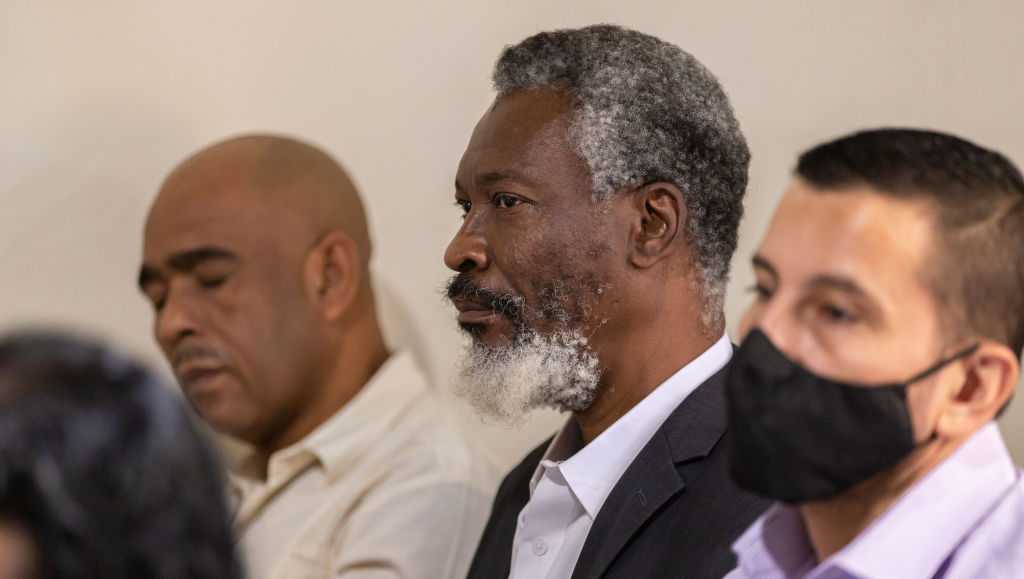
A former Haitian government employee, Joseph Badio, along with 17 others, faced federal charges in Miami on Monday related to the assassination of Haitian President Jovenel Moïse in July 2021. This court appearance comes after Badio and the group, primarily identified as Colombian nationals, were extradited from Haiti to the United States for trial.
Details of the Case Unfold
Badio, who appeared in court in a wheelchair, is among the 30 individuals indicted for their alleged roles in the assassination plot, which involved securing funding and logistics through South Florida. U.S. authorities noted that financial resources from government programs aimed at COVID-19 relief were reportedly misused for the operation.
The assassination occurred on July 7, 2021, when armed assailants stormed Moïse’s residence in Port-au-Prince, resulting in his death. Reports indicate that the attackers included a mix of foreign mercenaries, predominantly from Colombia.
Among the co-defendants is Christian Sanon, a dual national who had ambitions of assuming the presidency of Haiti. U.S. officials have highlighted that the conspiracy aimed to install a preferred successor to Moïse, alleging that the accused sought to benefit from unlawful financial opportunities tied to contracts post-assassination.
Out of the 30 individuals charged, at least nine have been convicted either at trial or through guilty pleas as part of ongoing judicial proceedings. U.S. Magistrate Judge Lisette Reid is overseeing the case, which has revealed persistent challenges in Haiti’s legal system, including gang violence that has stalled previous investigations into Moïse’s killing.
Badio, known for his previous role in the Ministry of Justice’s anti-corruption unit, had been dismissed from his position shortly before the assassination due to alleged ethical breaches. Accusations against him include posing as a U.S. drug enforcement agent during the execution of the assassination plan.
Why It Matters
The events surrounding Moïse’s assassination continue to have significant implications for Haiti, which has been in a state of turmoil following his death. The country has been without a functioning president for nearly five years, grappling with rampant gang violence that has resulted in thousands of deaths and mass displacements. The outcome of this high-profile trial, along with the associated legal proceedings, could influence the country’s path towards stability and governance.
