




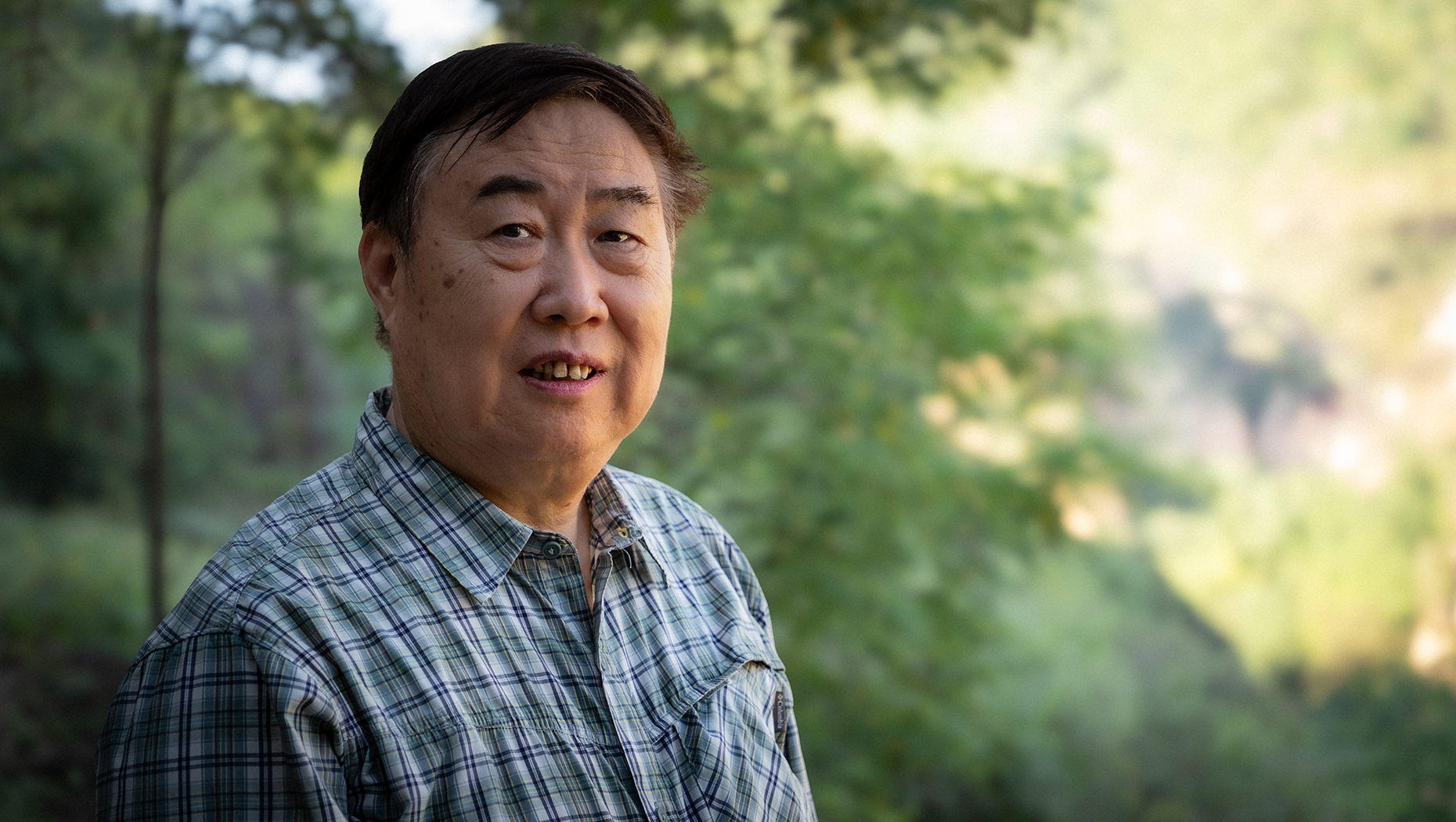
The Volvo Environment Prize for 2026 has been awarded to Professor Bojie Fu for his significant contributions to the ecological restoration of China’s Loess Plateau. This initiative is praised for its ambitious landscape restoration efforts that have successfully revitalized previously degraded areas, transforming them from symbols of ecological collapse into thriving ecosystems.
Professor Bojie Fu’s Pioneering Role in Ecological Restoration
Historically, the Loess Plateau, known as a cradle of early Chinese civilization, faced severe ecological challenges due to centuries of overgrazing and intensive farming. This led to widespread soil erosion and loss of vegetation, contributing to sedimentation issues in the Yellow River.
Recent efforts, spearheaded by Professor Fu, have focused on sustainable land management practices that consider both ecological needs and local community livelihoods. Fu, a Professor of Geography and Landscape Ecology at the Chinese Academy of Sciences, and his research team conducted extensive studies to understand the interplay between land use and ecosystems. Their findings highlighted both the potential benefits and risks associated with ecological restoration, detailing how increased vegetation can improve soil health and carbon capture while also risking water scarcity if not managed properly.
The research has been instrumental in evolving restoration strategies from mass planting to more sustainable methods tailored to local conditions, balancing ecological recovery with agricultural needs. One major success story is the Grain for Green program, which has encouraged local farmers to embrace restoration efforts by providing compensation, mitigating their fears over potential losses to their traditional farming practices.
The Prize Jury recognized Professor Fu’s contributions to sustainability science and his ability to connect local efforts with broader global sustainable development goals. His work on the Loess Plateau serves as a model for ecological recovery initiatives, influencing policies across developing regions.
The Loess Plateau’s revitalization has been a complex process, requiring collaboration among local communities, governmental bodies, and international partners. Funding from both the Chinese government and the World Bank has been vital, along with continuous scientific monitoring to adapt strategies effectively.
Professor Fu is scheduled to receive the Volvo Environment Prize at a ceremony in Stockholm on November 2, 2026, which includes a diploma, a glass sculpture, and a monetary award of SEK 1.5 million.
As one of the most prestigious environmental prizes in the scientific community, the Volvo Environment Prize acknowledges individuals or groups whose work contributes notably to environmental sustainability.
Why It Matters
The work being done by Professor Fu on the Loess Plateau exemplifies how targeted scientific research and community engagement can lead to significant environmental recovery. This not only restores damaged ecosystems but also builds resilience within local communities, contributing to a sustainable future.
