




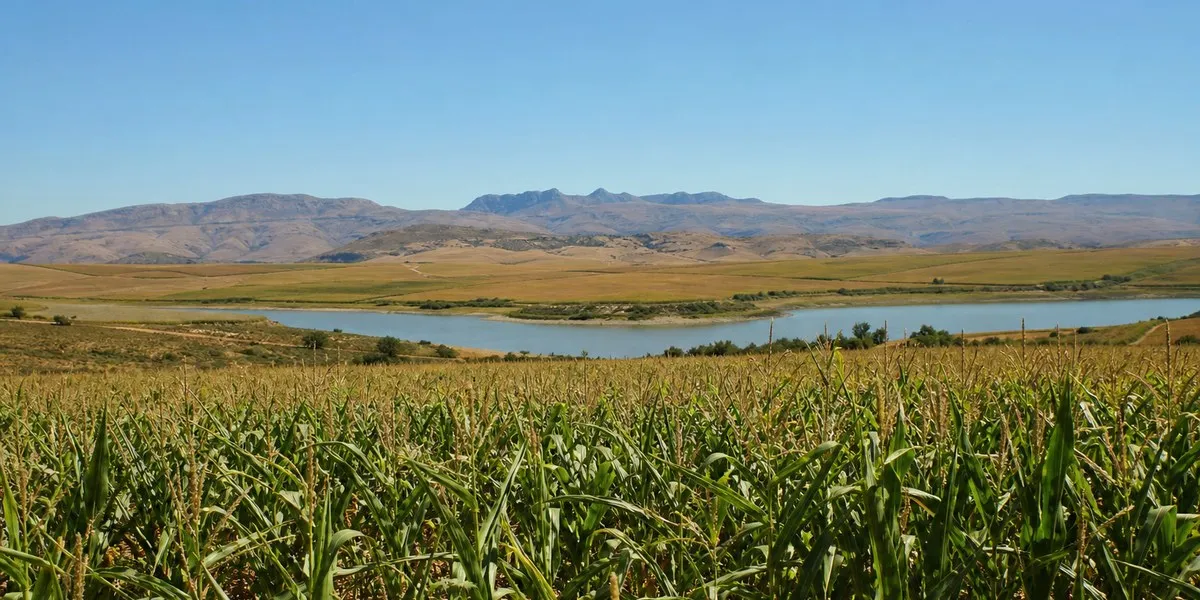
El Niño is projected to impact South Africa significantly in the coming months, with forecasts indicating it could become the strongest on record. ENSO specialists from South Africa have classified the current El Niño phenomenon as exceptional, with expectations for it to reach its peak between November 2026 and February 2027.
Risks for the Agricultural Sector
This climate event, characterized by warmer sea surface temperatures in the Pacific Ocean, typically results in hotter and drier conditions in southern Africa. The South African Weather Service has issued warnings about increasing temperatures and heightened weather variability throughout the season. Such conditions may lead to a prolonged rainfall deficit, negatively affecting agricultural planting decisions and yields, increasing the strain on water resources, and raising the risk of forest and wildfires.
Experts suggest that reduced agricultural production may have downstream effects, potentially elevating food prices and household costs while challenging businesses reliant on water and agricultural materials. Although prior rainy seasons supported water reservoir levels and the maize harvest in 2025/26 was notably high, these factors do not guarantee resilience against losses in the upcoming season.
Preparing for the Season
The South African Reserve Bank includes El Niño among the risks for rising inflation in its recent monetary policy statements. The bank cautioned that a severe El Niño could exacerbate pressures on economic growth and inflation rates.
Why It Matters
The potential impact of a strong El Niño in South Africa underscores the importance of proactive measures to mitigate risks to agriculture and the economy. Ensuring effective planning and resource management will be vital in preparing for the anticipated changes in weather patterns.
