




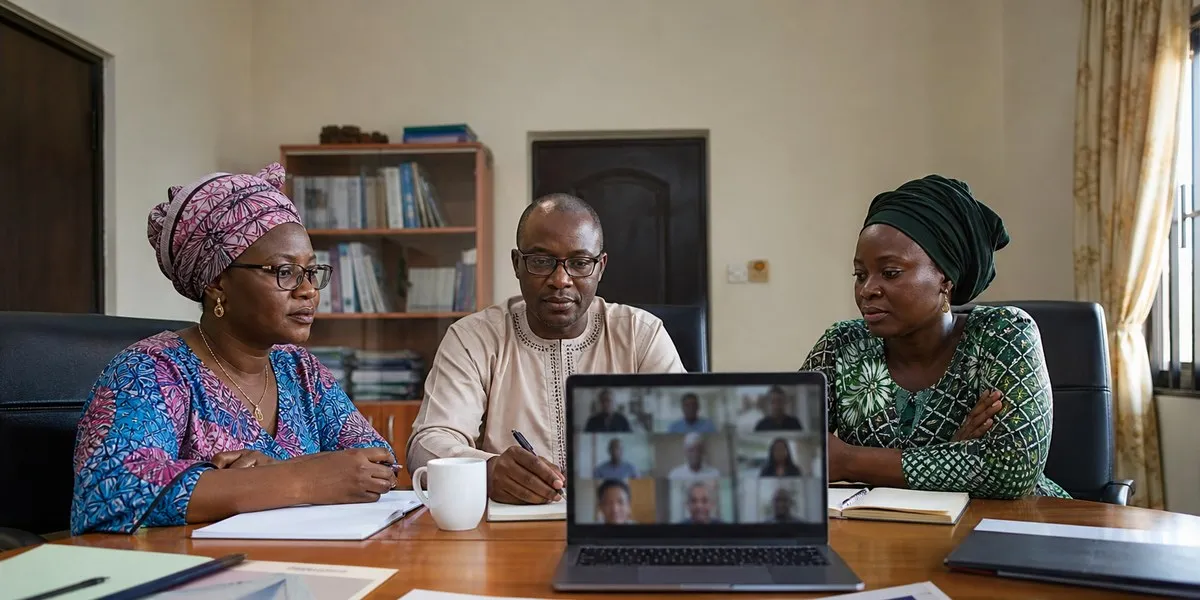
The African Leaders Malaria Alliance (ALMA) has warned that a potential 30% reduction in funding for malaria control could result in an additional 146 million malaria cases across Africa by the year 2030. This alarming forecast, presented during a recent webinar, suggests that without adequate funding, nearly 400,000 lives could be lost, leading to an estimated economic impact of $37 billion in lost GDP.
Risks to malaria control
Currently, Africa accounts for 94% of the world’s malaria cases and 95% of malaria-related deaths. Participants at the ALMA-hosted event acknowledged that the fight against malaria is facing numerous challenges, including a significant funding shortfall, the impact of extreme weather conditions, increasing resistance to treatment methods, and ongoing humanitarian crises.
Concerns were raised regarding the recent replenishment of the Global Fund and Gavi, both of which fell short of their funding goals. Additionally, leaders highlighted that international healthcare assistance for Africa is declining, exacerbating the continent’s struggle against malaria.
Calls for funding
In light of these challenges, attendees urged African nations to prioritize malaria funding within their national budgets and development plans. They called on international development partners to provide consistent financial support, particularly as the region transitions towards self-reliance in funding these initiatives. The leaders also proposed that malaria control measures be included in the World Bank’s International Development Association (IDA) agreements going forward, suggesting the possibility of creating a Malaria Booster program within IDA22.
Duma Gideon Boko, Botswana’s President and ALMA Chair, underscored the continent’s capacity for addressing malaria challenges through effective tools and leadership, stressing the necessity for sustainable financing and unified action. World Health Organization (WHO) Director-General Tedros Ghebreyesus emphasized the importance of ongoing investment to safeguard previous progress in malaria control. Meanwhile, Gambia’s Vice President Muhammad Jallow pointed out that domestic funding is currently insufficient to meet the considerable investment required to eliminate the disease.
The event also highlighted the significance of cross-border cooperation, local production of malaria treatments, and innovation as crucial strategies in combating the disease.
Why It Matters
The potential surge in malaria cases due to funding cuts not only threatens public health outcomes but also poses significant economic challenges for African nations. Addressing these funding shortfalls is critical for sustaining the progress made in combating malaria and improving overall health among vulnerable populations.
