



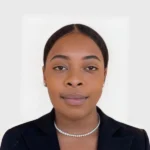
Morocco has appointed Fatima Ezzahra El Mansouri as the country’s new prime minister, marking a significant development in women’s representation in Arab political leadership. On September 29, 2023, King Mohammed VI tasked El Mansouri with the responsibility of forming a new government. This decision followed her Authenticity and Modernity Party’s recent success in the parliamentary elections, where it secured 97 seats in the 395-member House of Representatives.
Historic Appointment and Political Landscape
El Mansouri’s appointment not only makes her the first woman to lead Morocco’s government but also the second woman to hold a prime ministerial position in the Arab world, following Tunisia’s Najla Bouden, who assumed office in 2021. El Mansouri, a lawyer and former housing minister with experience as the mayor of Marrakech, must now work to build a coalition, as her party’s seats fall short of the 198 required for a parliamentary majority.
In the recent elections, the National Rally of Independents obtained 66 seats, while the Istiqlal party captured 65, and the Justice and Development Party (PJD) secured 54 seats, pledging to remain in opposition. During the campaign, PAM had previously ruled out a coalition with the RNI, but El Mansouri has suggested a more flexible approach in coalition negotiations, stating there would be no “red lines” moving forward.
The new government will begin its term amid economic challenges, including major infrastructure spending in preparation for co-hosting the 2030 FIFA World Cup with Spain and Portugal. Issues such as job creation, living costs, and public service access are anticipated to be critical areas of focus, particularly as younger Moroccans express concerns regarding economic opportunities. Voter turnout in the recent elections was about 38%, a decrease from approximately 51% in 2021, indicating potential challenges for the new administration in maintaining public confidence.
El Mansouri’s rise to leadership reflects a progressive shift in Moroccan politics and further emphasizes the role of women in governance, a domain traditionally dominated by men. There were previously four women serving as ministers in the outgoing government, yet none had led it. Her appointment comes amid a political framework where the monarchy retains substantial power, with the king choosing the head of government from the leading parliamentary party. El Mansouri faces the dual challenge of forming a coalition government while navigating this complex political landscape as she addresses the nation’s economic goals.
Why It Matters
El Mansouri’s appointment is significant for gender representation in Moroccan politics and the broader Arab region. It signifies a potential shift towards greater inclusivity in leadership roles and highlights the ongoing challenges and responsibilities confronting the new government, especially regarding economic reforms and public trust amid changing voter behaviors.
