




CAPE TOWN, South Africa — Phone Chomsavanh, a Laotian citizen deported by the United States, was released from a maximum-security prison in Eswatini on Sunday after spending over a year in detention, according to his lawyer.
Chomsavanh, along with four other immigrants, was sent to Eswatini in July 2025 as part of the Trump administration’s controversial third-country deportation program. His lawyer, Tin Thanh Nguyen, stated that Chomsavanh was informed of his deportation only shortly before arriving in Eswatini, where he had no existing ties.
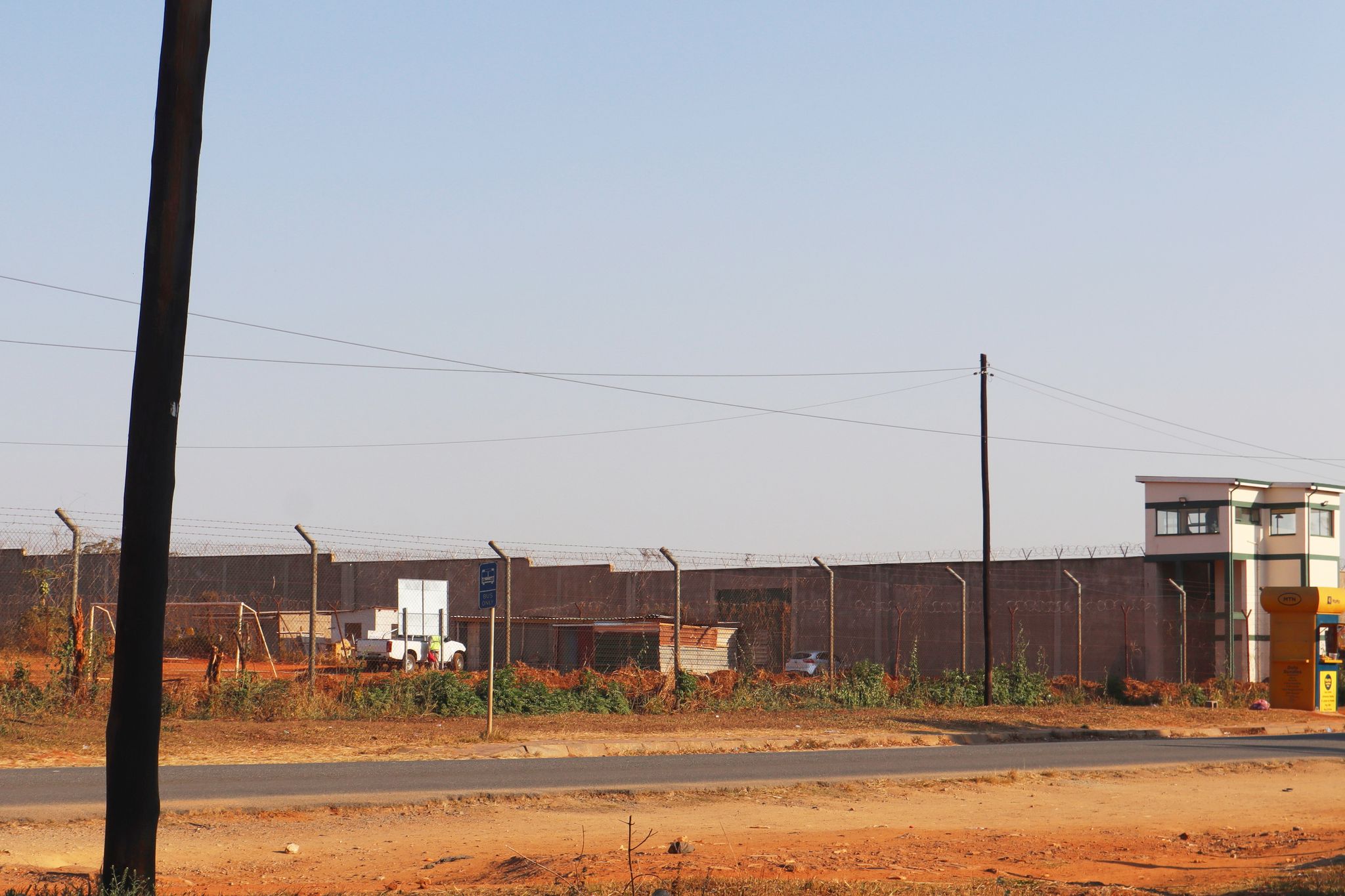
After serving sentences for serious crimes in the U.S., Chomsavanh and the others were transferred to the Matsapha Correctional Complex near Mbabane, Eswatini’s administrative capital. Despite completing their sentences, Chomsavanh was held for over a year without ever being charged with a crime.
“Years after he finished serving his sentence in the United States, the Trump administration flew him to the small southern African kingdom and handed him over to a maximum-security prison,” Nguyen said.
Chomsavanh is now being deported back to Laos, with reports indicating that he has already landed in Johannesburg en route to his home country.
The Eswatini government has not officially acknowledged Chomsavanh’s release. His background includes being born in a refugee camp in Thailand after his parents fled Laos, and his family later moved to the United States when he was seven.
Chomsavanh is among approximately 500 individuals deported from the U.S. to African nations that are not their countries of origin since the inception of the third-country program last year. Rights group Human Rights First has been tracking these deportations, which have drawn significant criticism from various advocacy organizations.
Since the program began, about a dozen African countries, including Eswatini, have accepted deportees, some possibly in exchange for financial payments. Eswatini reportedly received $5.1 million from the Trump administration as part of their agreement to accept such deportees, having taken in around 30 individuals thus far.
The program has faced legal challenges in the U.S. and has been criticized for lacking transparency regarding the detention conditions and the legal rights of those deported. Last month, a U.S. appeals court upheld a decision to halt the program effectively, citing concerns about the lack of time for immigrants to challenge their deportations based on fears of persecution. However, a recent Supreme Court ruling temporarily allowed the administration to continue deportation to third countries, with arguments set to be heard in December.
