




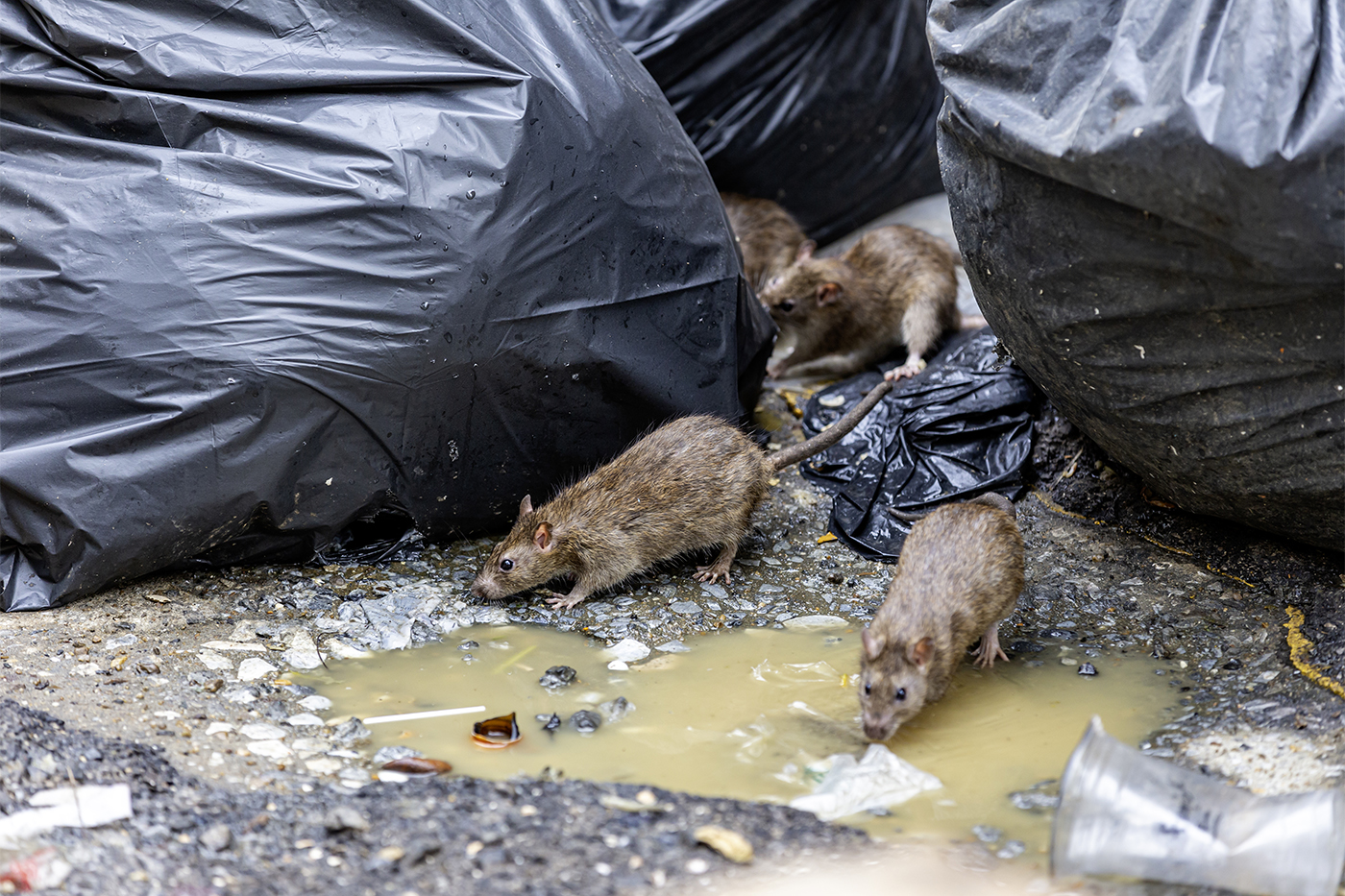
Researchers in Boston are utilizing advanced audio technology to study the city’s rat population. The project involves a network of sensitive microphones that capture the sounds made by rats, filtering out human voices to focus exclusively on rodent communication.
This initiative is a collaboration between the nonprofit organization Basis, which leverages artificial intelligence to address complex issues, and city officials, including John Ulrich, assistant commissioner of environmental services. The goal is to analyze rat calls in conjunction with video footage, providing insights into the animals’ interactions and behavior, which could help the city manage rat populations more effectively.
Boston has struggled with rat sightings, leading the nation in rodent-related issues in 2021. Data from the mayor’s office indicates that by early December 2025, the city had logged nearly 6,000 rodent-related service calls. At the recent National Urban Rat Summit, experts discussed strategies to monitor rat responses to control measures, aiming to improve prevention tactics against infestations.
Ulrich noted that rats thrive in urban environments because of easy access to food and shelter. Cities, he explained, create unique ecosystems where various species, including rats, can flourish. This relationship between humans and rats has developed over thousands of years, with human waste providing a plentiful food source.
Specialized microphones help researchers capture rat vocalizations that fall outside the range of human hearing. According to Ralph Peterson, a research scientist at Basis, the rat calls can range from 20 to 100 kilohertz. These sounds are constant and often undetectable without the aid of advanced recording equipment.
By deploying this technology, the team has amassed approximately 200 days of audio recordings, totaling around 1.2 million rat vocalizations. They employed AI to analyze these sounds, categorizing them into distinct call types, which form part of a “rat dictionary.” The identified categories include alarm calls, aggressive squeaks, and social calls, each serving specific functions in rat communication.
Sy Montgomery, a naturalist and author, emphasized that studying rats in their natural environment provides invaluable context for understanding their complex behaviors, which laboratory settings cannot replicate. The ongoing research aims to foster empathy towards rats by shedding light on their social structures and intelligence.
As this project unfolds, Ulrich hopes that improved knowledge of rat behavior will lead to more humane management strategies that enable coexistence between the animals and the city’s residents.
