




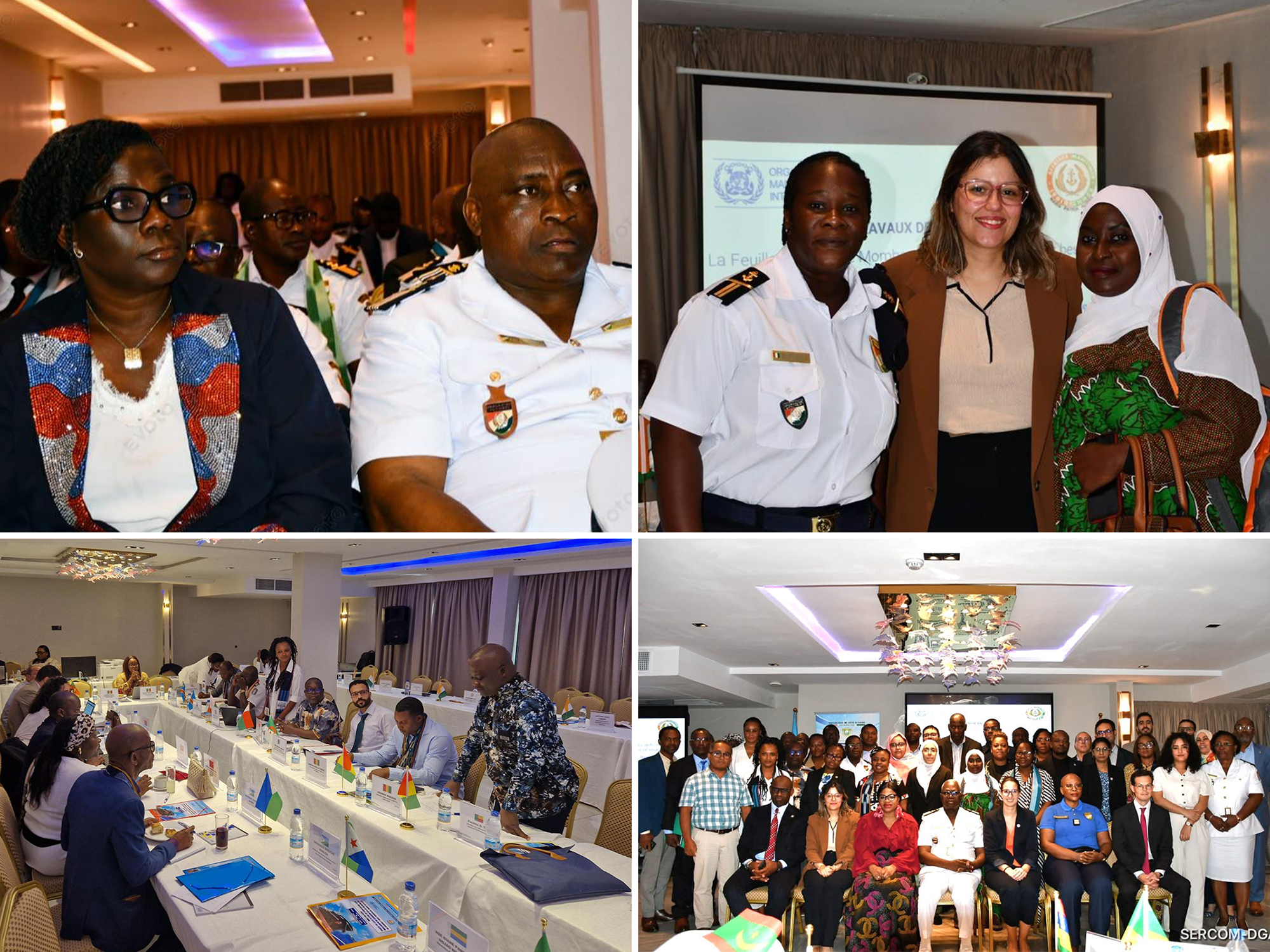
French-speaking African nations convened in Abidjan, Côte d’Ivoire, from October 6 to 8, 2023, to address sustainable maritime energy transitions during a three-day workshop. The event, organized by the International Maritime Organization (IMO) in collaboration with the Côte d’Ivoire government and the IMO Regional Coordinator’s office for West and Central Africa, drew 80 participants from 18 countries.
The workshop aimed to enhance understanding of MARPOL Annex VI, which focuses on reducing greenhouse gas emissions from international shipping. Participants examined the challenges and opportunities of maritime decarbonization, aiming to improve engagement in IMO regulatory discussions and measures.
Towards a Just Transition
Guided by the Mombasa Roadmap for maritime decarbonization, the discussions focused on sustainable shipping governance, port infrastructure development, and skill enhancement for job creation. Camille Bourgeon, an IMO Technical Officer, highlighted the collective commitment to ensure that the perspectives of Francophone African States are included in international dialogues about the maritime energy transition. “The determination to make this transition both ambitious and equitable, while creating opportunities in the region, resonates strongly,” Bourgeon stated.
Workshop participants also assessed investment needs in areas such as port infrastructure and alternative fuel supply chains. The discussions emphasized the importance of regional collaboration in the implementation of IMO initiatives and in capitalizing on emerging economic opportunities within the maritime sector.
Enhancing Regional Cooperation
The workshop served as a platform for identifying priority needs and sharing best practices among participating countries. Colonel-Major Julien Yao Kouassi, Director-General of Maritime Affairs of Côte d’Ivoire, noted that participants expressed a commitment to advancing the objectives set forth in the 2023 IMO GHG Strategy through strengthened cooperation among Francophone African States.
Emphasizing that fruitful regional cooperation and collaborative efforts are essential for a successful maritime energy transition, participants included representatives from Algeria, Benin, Cameroon, Comoros, Republic of the Congo, Côte d’Ivoire, Djibouti, Gabon, Guinea, Madagascar, Morocco, Mauritius, Mauritania, Democratic Republic of the Congo, Senegal, Seychelles, Togo, and Tunisia.
The African Union Commission, along with representatives from the International Transport Workers’ Federation (ITF), the European Investment Bank (EIB), the Académie Régionale des Sciences et Techniques de la Mer (ARSTM), and Women in Maritime of West and Central Africa (WIMOWCA) Côte d’Ivoire contributed their insights on challenges related to workforce, financing, and cooperation in achieving a just transition in maritime practices.
