




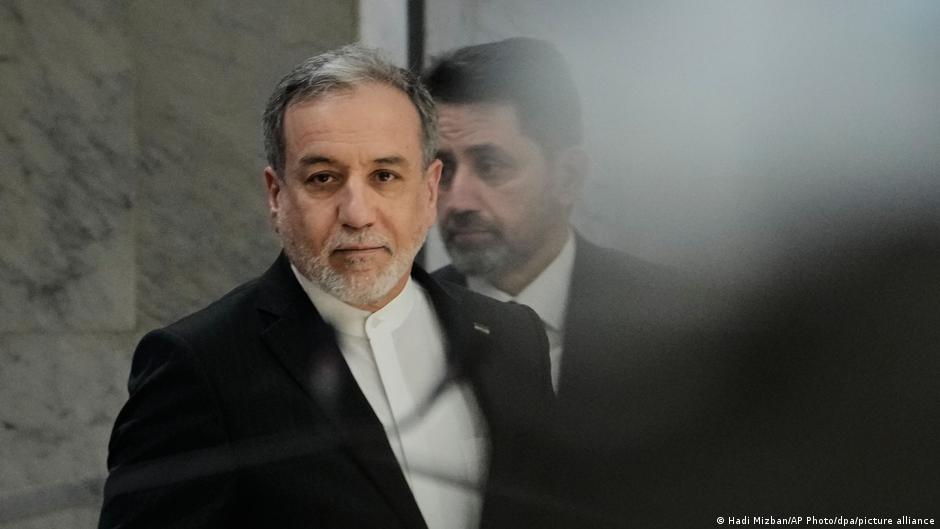
Pressure is mounting on Iran’s government as hardliners in parliament call for the resignation of Foreign Minister Abbas Araghchi. This escalation follows the recent resignation of Oil Minister Mohsen Paknejad, which has not alleviated the scrutiny facing President Masoud Pezeshkian’s administration.
The internal power struggle intensifies as the country grapples with deteriorating economic conditions and ongoing military conflict. Hardliners are particularly dissatisfied with Araghchi due to his meeting with U.S. negotiators at the United Nations General Assembly in New York, an engagement critics argue was unauthorized.
Amirhossein Sabeti, a Tehran lawmaker, has submitted a motion for Araghchi’s impeachment through parliament’s online portal, as confirmed by parliamentary speaker Mohammad-Bagher Ghalibaf. Fellow lawmaker Hossein-Ali Haji-Deligani has indicated that parliament is considering using its oversight powers, which include impeachment, against the foreign minister.
Internal Dynamics of Power
Political analyst Ali Afshari highlighted the complexities within Iran’s political structure, stating that the leadership often shifts blame for unfavorable negotiations, such as those with the U.S., onto the elected officials like Araghchi. He noted that hardliners serve to influence public opinion and reinforce traditional values within the Islamic Republic’s governance.
During the negotiation of the 2015 nuclear deal, known as the Joint Comprehensive Plan of Action (JCPOA), hardliners held a parliamentary majority and opposed the agreement, but their dissent did not prevent it from being signed. Afshari pointed out that the Foreign Ministry operates under directives from the government and lacks independent decision-making power.
The current push for Araghchi’s ousting comes at a critical time as Iran endures significant economic strain, with oil exports—vital to its revenue—plummeting due to U.S. sanctions. Paknejad’s official resignation, framed as a personal decision, has also exacerbated the situation.
Umud Shokri, an energy strategist and geopolitical analyst, expressed skepticism that a change in leadership at the Oil Ministry would effectively address the deep-rooted economic issues. He noted that Iran has developed networks that allow for oil exports despite sanctions, with a lack of transparency complicating revenue management.
Shokri explained that private entities, particularly those linked to the Islamic Revolutionary Guard Corps (IRGC), engage in clandestine oil sales with opaque pricing and commissions, limiting the government’s influence over these lucrative transactions.
Analysts warn that the political and economic situation in Iran may worsen as tensions within the government persist and external pressures remain unrelenting.
