




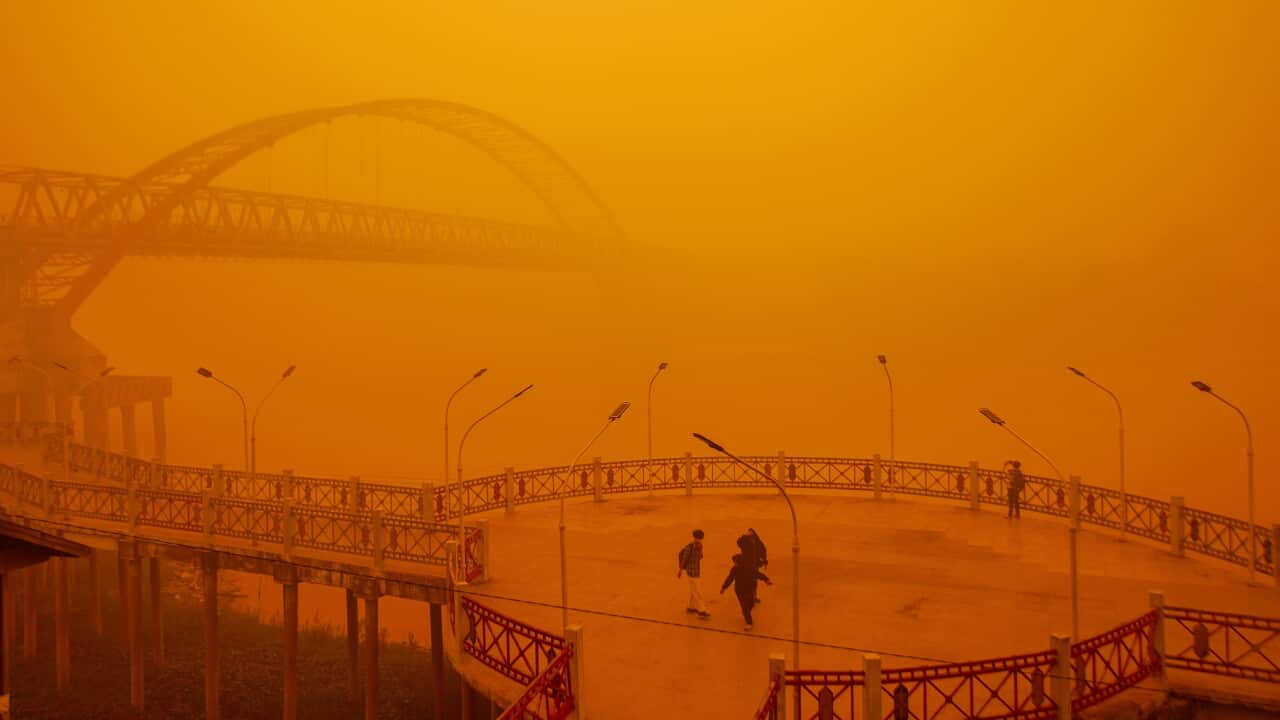
Severe wildfires in Indonesia, particularly in Borneo, have prompted urgent efforts to rescue critically endangered orangutans as pollution levels escalate across Southeast Asia. Conservation groups are actively working to save wildlife amid one of the worst wildfire seasons in recent history, which has led to dangerous air quality affecting Indonesia, Malaysia, Singapore, and East Timor.
According to local authorities, pollution levels have reached unhealthy levels again. As of Sunday, many regions in southern Southeast Asia were engulfed in a toxic haze, severely impacting public health. Reports indicate that the persistent fires have been linked to a surge in respiratory illnesses among both humans and animals and have forced schools to close.
On Saturday, a rescue operation led by the West Kalimantan conservation agency, in collaboration with the Indonesian non-profit YIARI, successfully evacuated 51 orangutans from various locations in the province between August 6 and October 19. Figures from Indonesia’s forestry ministry suggest that the total number of orangutans rescued in Kalimantan could be as high as 96. The latest rescue included a 20-year-old male orangutan which was cautiously sedated, examined by a medical team, and transported to a rehabilitation center.
Indonesia’s transport ministry reported that around 2,400 flights have been affected by the haze since mid-August, stating that poor visibility around airports can lead to delays and cancellations. The ministry emphasized that safety remains the top priority in operational decisions.
Residents File Lawsuit Against Government
In response to the ongoing crisis, a group of residents from Borneo has filed a lawsuit against the Indonesian government, alleging negligence in the management of the wildfires that have been burning unchecked for over three months. The first hearings of this case began this week, involving accusations against 27 individuals and agencies, including high-profile officials such as the president and vice president.
This year’s wildfires have been exacerbated by the intensifying El Niño phenomenon and prolonged dry conditions, which have affected not only Borneo but also parts of Sumatra. Earlier reports indicated that wildfires in Sumatra’s Bangka Belitung province spread into residential areas, damaging over 300 homes and displacing approximately 500 people.
As the haze continues to affect air quality, Singapore has reported its air quality index peaking at 202, classified as “very unhealthy.” Local medical supply companies, such as AA Alive, have seen a notable increase in demand for oxygen tanks, with sales allegedly rising by 35 percent due to the haze. Reports from individuals in need of these services underscore the critical situation, with patients expressing concerns about shortness of breath without the necessary equipment.
With the situation ongoing, efforts to address the environmental and health impacts of the wildfires remain urgent as communities across the region continue to grapple with hazardous conditions.
