




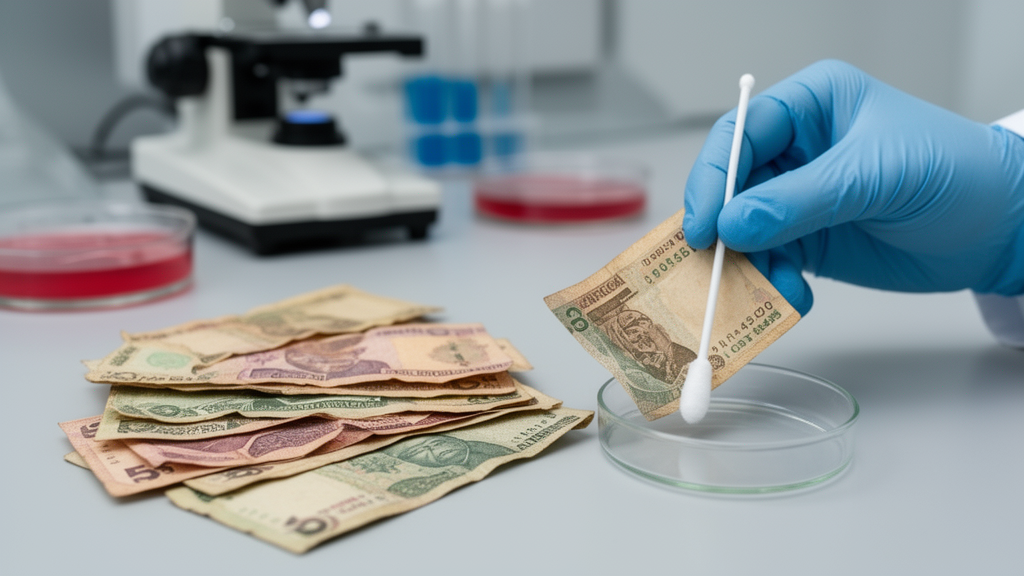
A systematic review found that 79.3% of currency notes studied in Africa were contaminated with bacteria. This estimate comes with a 95% confidence interval ranging from 60.9% to 90.4% and is based on data from 12 studies encompassing a total of 2,003 notes, rather than the broader scope of all 46 studies reviewed.
The review gathered information from 46 studies, conducted between 2007 and 2026, across 10 countries in Africa, including West, East, North, Central, and Southern regions. However, the geographic distribution of the studies was uneven. Nigeria was the most represented, contributing 28 studies, or 60.9% of the data, while Ethiopia accounted for five studies, or 10.9%. The currency samples were obtained from a variety of locations, including markets, restaurants, hospitals, banks, and transportation systems.
Investigators conducted their search using databases such as PubMed, Scopus, and Google Scholar, with the final search conducted on April 20, 2026. The review adhered to guidelines from the Preferred Reporting Items for Systematic Reviews and Meta-Analyses. Only studies published in English that investigated bacterial contamination of circulating currency were eligible, excluding those involving non-circulating or experimentally treated currency.
Among the primary studies analyzed, 1,455 out of 2,003 notes were found to be contaminated, with a crude proportion of 72.6%. A random-effects model indicated a pooled prevalence of 79.3%, with contamination rates ranging from 39.6% in Nigeria to 100% in studies from Ghana and South Sudan. Studies reporting complete contamination generally involved smaller sample sizes. High variation was noted among studies, as indicated by an I-squared value of 95.6% and a Cochran’s Q of 252.06.
Variations in sampling methods, currency circulation environments, laboratory techniques, and geographical factors contributed to the heterogeneity in findings. Further analysis suggested stable pooled estimates, although significant variability remained across different settings. Statistical tests showed no significant small-study effects or publication bias.
Specifically, bacteria Staphylococcus aureus and Escherichia coli had sufficient comparable data for further analysis. The pooled proportion of S. aureus was found to be 31.2% across ten studies, while E. coli accounted for 24.0% across another ten studies. Other bacteria such as Klebsiella, Salmonella, and Shigella were also frequently identified.
Although antimicrobial resistance was not the main focus, some studies reported the presence of multidrug-resistant strains of bacteria. Instances of resistance to various antibiotics, including ampicillin and tetracycline, were noted across studies from Nigeria, Ghana, Ethiopia, Sudan, and Egypt.
Contamination levels also varied based on currency characteristics. Lower-denomination and older notes tended to show higher levels of contamination compared to new or higher-denomination notes. Food vendor notes, especially from butchers, exhibited greater bacterial counts than those from banks or market traders. The authors suggested that deteriorated paper may facilitate microbial attachment, while polymer notes may be easier to clean due to their reduced porosity.
The authors acknowledged limitations in their findings, highlighting the high statistical heterogeneity and limited geographic representation among the included studies. They emphasized that while bacteria were found on currency, this does not confirm that infections were transmitted. Potential risk would depend on various factors such as hygiene practices and the survival of microbes on surfaces.
The authors recommend enhanced hand hygiene, limiting the simultaneous handling of food and money, and improved currency management as measures to mitigate bacterial contamination and transmission.
