




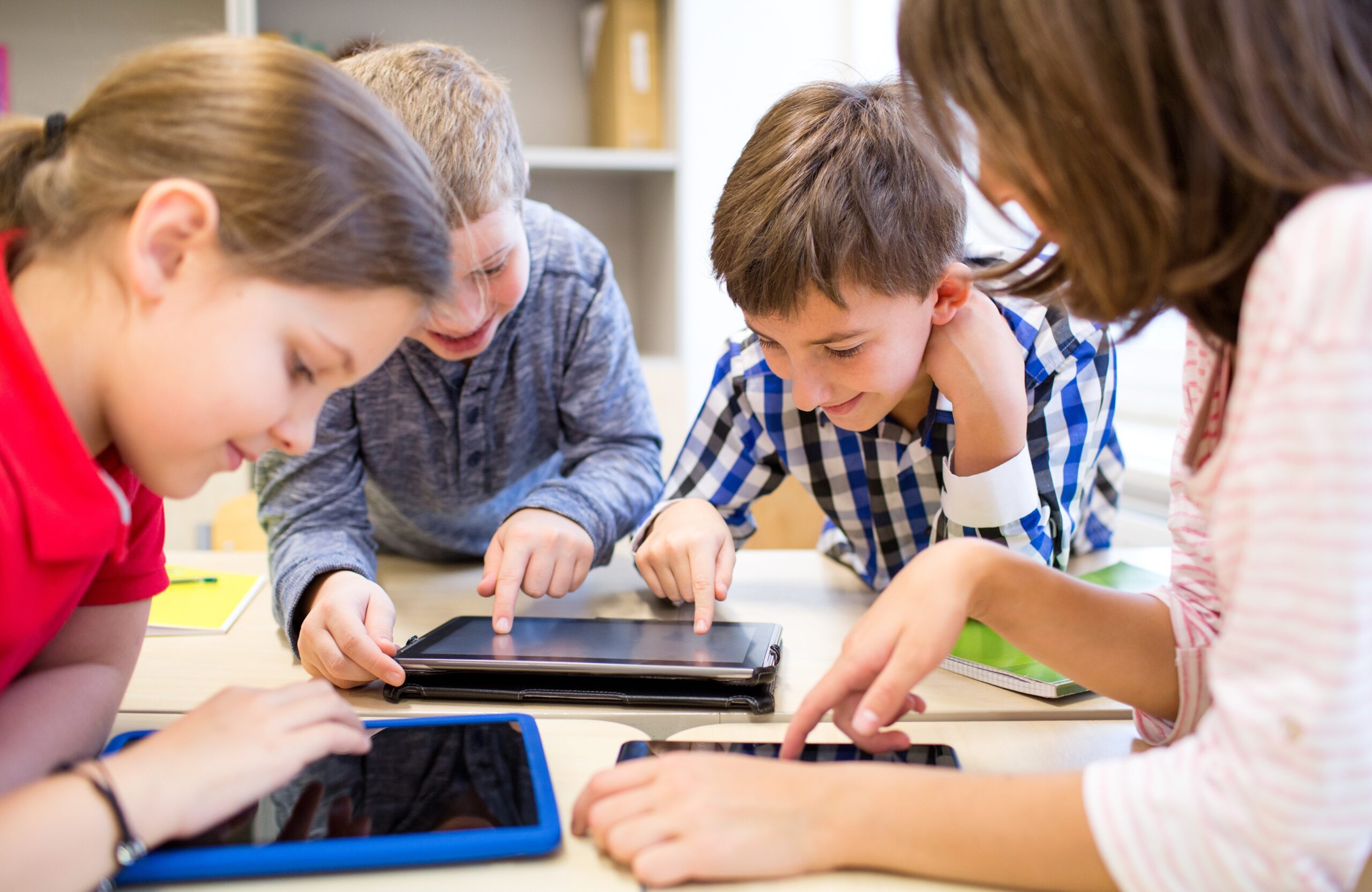
An investigation by NBC News has revealed growing concerns about the use of YouTube as a primary educational tool in schools, raising questions about what constitutes true student engagement. The reliance on digital platforms is increasingly seen as a double-edged sword, with debates centering on whether technology is serving students or primarily benefiting technology providers.
Parents have expressed frustration with the distractions created by platforms like YouTube. One Pennsylvania mother reported that when she requested school administrators to block YouTube, they informed her that many teachers used the platform for instruction, making restriction impractical. Teachers defend their use of YouTube, stating that it can enhance lesson engagement.
Lisa Birk, deputy superintendent of Bend-La Pine Schools in Oregon, noted, “YouTube is really powerful for learning in a lot of ways because there’s a high level of ease of use. But what makes it challenging is that algorithmic part – here’s your next video, here’s the new things that are being pushed your way.” Independent studies also highlight the entrenched reliance on YouTube, with a recent report indicating that 77% of teachers use the site as a fundamental part of their lessons, accounting for nearly 20% of instructional time.
Critics of this trend point to the platform’s design, which prioritizes user engagement and advertising over educational value. The report from the journal Educational Researcher stated that while teachers may be utilizing YouTube for visual engagement, it may not align with academic learning objectives.
Defining Engagement in Education
The definition of engagement in classrooms has evolved, with educators increasingly viewing it as key to success despite declining test scores. High school teacher Rachel Murat articulated the shift, saying, “Decades ago, the expectation was that when you go to class, you pay attention. Now, there are so many distractions.”
Some educational institutions are pushing back against technology. At the Northwest Ohio Classical Academy, which minimizes technology use, parents like Natalie Culp argue that reliance on digital devices detracts from quality education. The academy owns 120 Chromebooks but limits their use primarily to standardized testing, focusing instead on traditional teaching methods.
According to a September report, 63% of surveyed public school teachers indicated a desire for increased physical learning materials, highlighting a growing trend toward low-tech education. This push for minimal technology comes amidst efforts from districts like Los Angeles Unified School District, which has instituted strict limits on technology use for younger students while allowing older students significant screen time for instruction.
As discussions around the role of technology in education continue, experts emphasize the need for a clearer understanding of what constitutes healthy learning engagement separate from technology engagement. Murat remarked on this ongoing transformation, stating, “There is a clear difference now regarding what engages kids versus when I started or even as recently as before the pandemic.”
