




Authorities have discovered what are believed to be the bodies of four Salvadoran soldiers who went missing following an ambush by armed gangs in Haiti. The remains were located outside Port-au-Prince and recovered on Saturday, according to a report from the New York Times, which cited individuals familiar with the security mission.
The bodies were reportedly badly burned, necessitating autopsies to confirm their identities. They were transported to the international airport, where a team from the Salvadoran military collected them after arriving in Haiti on Friday.
Officials from the multinational security mission have declined to comment on the findings. The report has not been independently verified by Reuters.
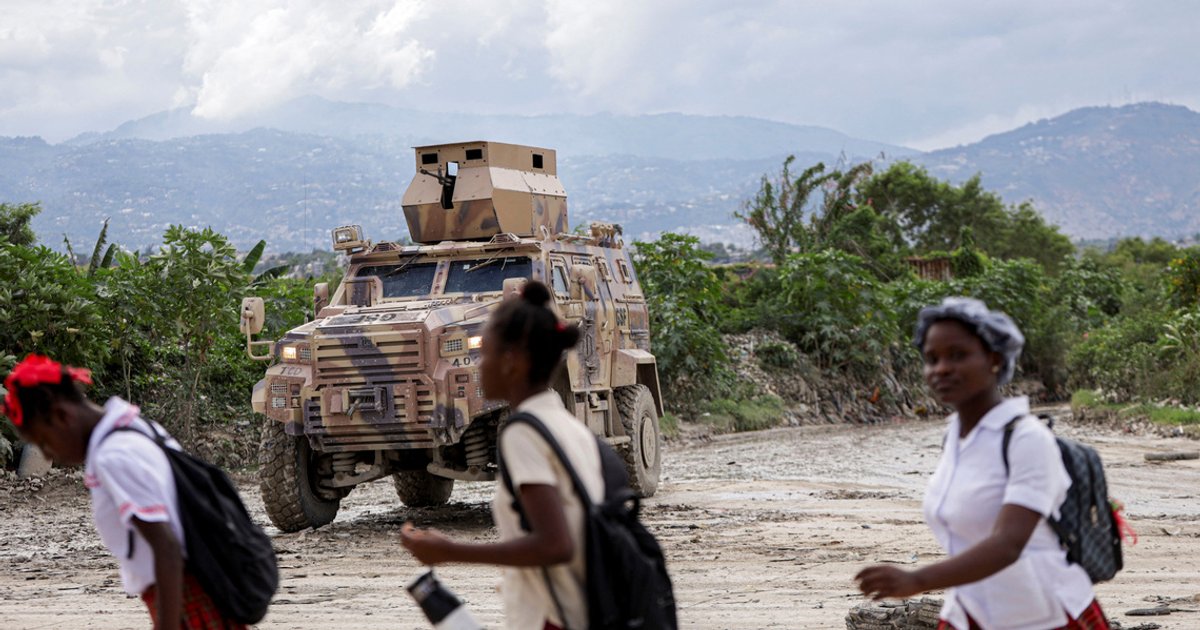
The four soldiers were last seen on Sunday after they exited a burning armored vehicle that had been attacked while they were returning to their base from a market. This ambush marked the first significant attack on the Gang Suppression Force (GSF), a United Nations-authorized mission, since it began operations in Haiti earlier this year.
Salvadoran President Nayib Bukele stated on Wednesday that gangs were believed to be holding the four soldiers and announced that a military operation had been initiated to rescue them safely. Following this, additional Salvadoran troops were deployed to assist in search and security efforts.
No group has claimed responsibility for the attack thus far. However, local media reports have suggested that the ambush may be linked to local gangs, including the powerful Chen Mechan and 400 Mawozo groups.
Currently, the GSF, which has been active for a year, consists of approximately 2,000 troops, significantly below its authorized limit of 5,500. Previous security initiatives, particularly one led by Kenya, faced persistent challenges related to funding, equipment, and personnel shortages.
The situation in Haiti has deteriorated sharply since the assassination of President Jovenel Moise in 2021, with gangs gaining control over large areas in and around Port-au-Prince, displacing between 1.4 million to 1.5 million people.
