




Violence in Haiti’s Artibonite Forces Displacement
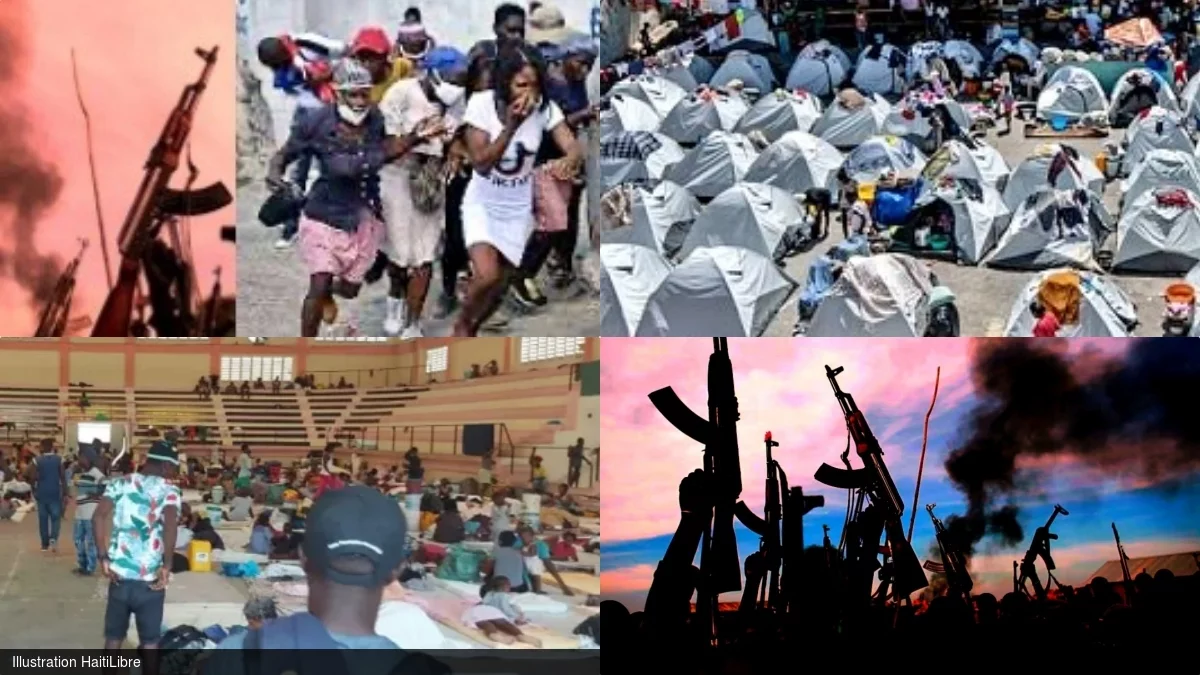
Violence in Haiti’s Artibonite department has led to significant population displacement, particularly following an armed attack in Petite-Rivière earlier this week. United Nations spokesperson Stéphane Dujarric shared this development during a press briefing on October 21, citing information from humanitarian workers.
Dujarric reported ongoing sporadic gunfire, which continues to disrupt movement in the area. The UN Office for the Coordination of Humanitarian Affairs (OCHA) is collaborating with local authorities to monitor the situation and evaluate the needs of those displaced.
In response to the escalating violence, Haitian authorities have declared a state of emergency through December 18 that affects the West, Artibonite, and Centre departments. Officials have advised residents to stay where they are while recognizing the challenges these measures may pose to public interests.
The impact of the violence extends beyond Petite-Rivière, with communities like Gros-Morne also feeling its effects since unrest began in late September. According to the International Organization for Migration (IOM), the violence has displaced over 10,000 individuals, many of whom are currently relying on local families for shelter.
Despite the ongoing insecurity, humanitarian operations have resumed. In October, organizations distributed 1,500 hot meals and hygiene kits to affected families, and additional distributions of kitchen utensils and tarpaulins are planned for the coming week. Dujarric emphasized the persistent risk to humanitarian efforts due to security concerns, urging for safe access to those in need.
Meanwhile, the Provisional Electoral Council (CEP) is in discussions with government officials, security forces, international partners, political actors, and civil society representatives to finalize an updated electoral calendar. This includes the announcement of new election dates, which are expected before the end of October.
This briefing follows the recent indefinite postponement of presidential and legislative elections originally scheduled for December 13. The UN Security Council has been alerted to the adaptation of armed groups in response to increased security efforts, leading to heightened reprisals against civilians and their control over rural areas.
Haiti has not conducted national elections since 2016. Carlos Ruiz Massieu, a senior UN official, stated that while preparations are being made, the electoral rolls currently show only 759,257 potential voters out of an estimated 6.5 million. He cautioned that setting new election dates without properly assessing their feasibility could undermine public trust in Haitian institutions.
