




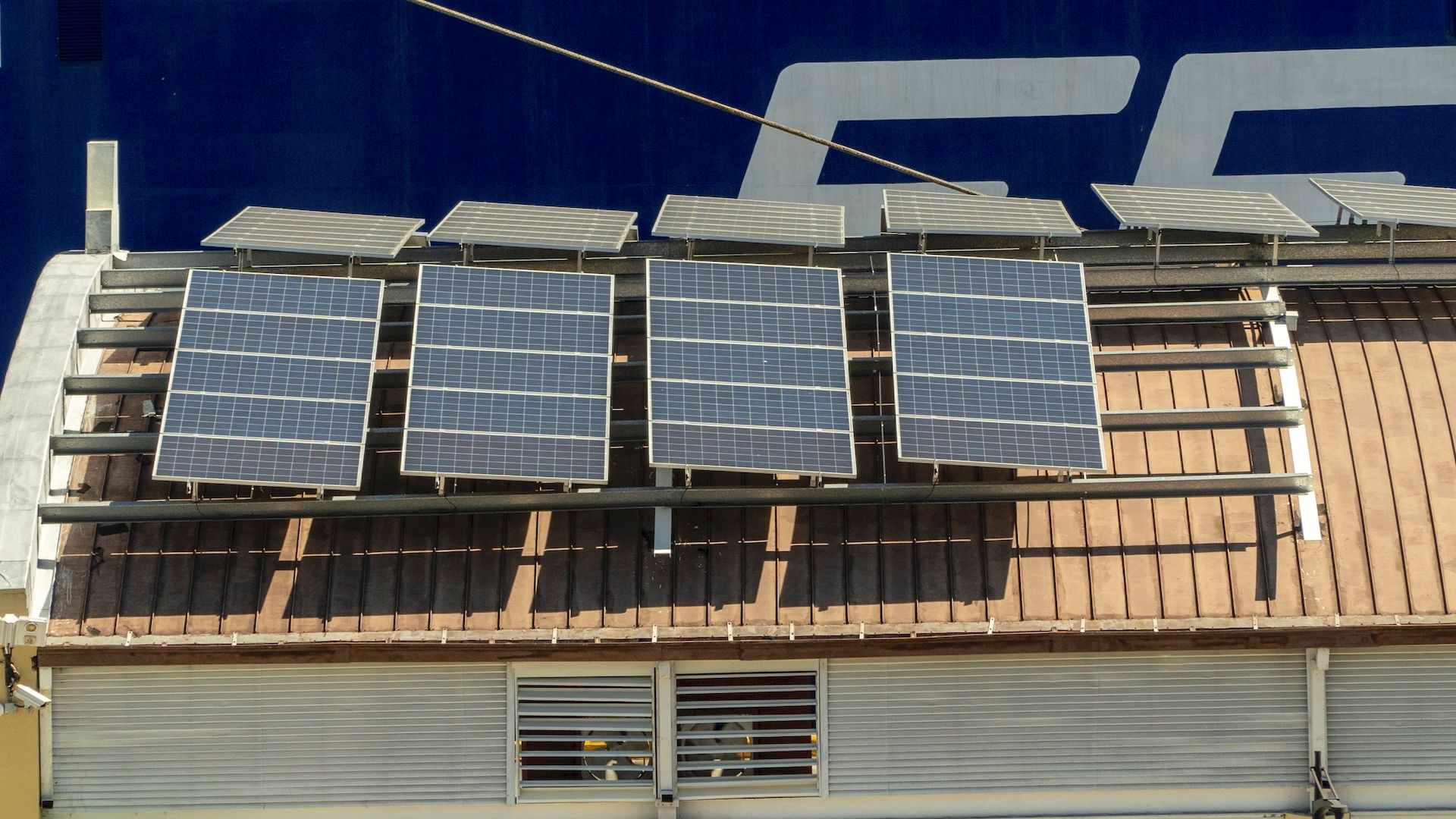
Households and businesses in the Dominican Republic that adopted rooftop solar energy are facing a new fee for supplying excess electricity back to the national grid. Effective November 1, the national utility Edesur announced that specific customers enrolled in its net-metering program will incur a distribution network usage fee.
According to Edesur, the new charge will affect self-generation users on the BTS-1 residential and BTS-2 commercial low-voltage tariffs who began participating in the net-metering program prior to October 2021. This change, initially issued by the regulatory body of the electricity sector in January, stipulates that the fee will be calculated by multiplying the electricity injected into the grid, measured in kilowatt-hours, by 25% of the energy component of the applicable tariff for those customers.
This new policy does not equate to a 25% increase on an entire electricity bill, but specifically pertains to the amount of power exported to the grid. Affected customers will find this fee included alongside other charges on their regular bills.
The introduction of this fee has raised concerns for families and local businesses who installed solar panels with the expectation of savings under prior net-metering regulations. The fee could diminish the financial effectiveness of sending surplus energy back to the grid, potentially impacting the cost benefits and sustainability these early adopters were counting on.
This change marks not the first instance of a fee for distributed solar in the Dominican Republic, though Edesur did not disclose the total number of customers expected to be affected. As the November 1 implementation date approaches, the utility is set to apply these new rules specifically to certain BTS-1 and BTS-2 customers, complicating the potential savings for households and businesses utilizing rooftop solar.
