




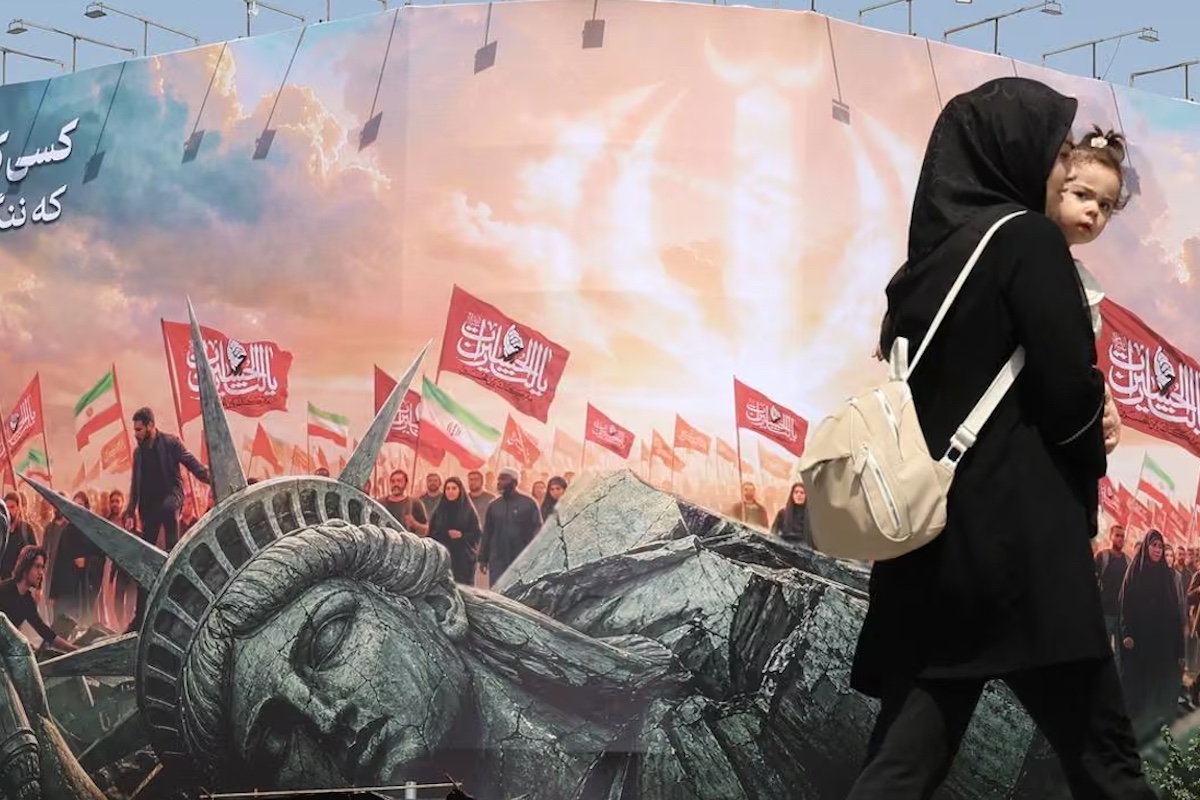
Many in the Middle East are skeptical of achieving lasting peace between Iran and the United States while President Donald Trump remains in office. This sentiment is shared by numerous key figures in the region as tensions persist eight months into the ongoing conflict.
Despite Washington’s efforts, there has been no significant change in Tehran’s resolve, nor a clear diplomatic pathway forward. President Trump indicated in a recent interview with Time magazine that he does not foresee peace with Iran, which raises questions about the administration’s future negotiating strategies.
Iran has set conditions for any negotiations, insisting that the U.S. lift sanctions and cease its threats before talks can recommence. They also demand that no enriched uranium leaves the country. This has led to a stalemate, with both sides awaiting political developments that could shift the balance in their favor.
Amid these tensions, President Trump faces his own political challenges. With the upcoming midterm elections on November 3 and an approval rating of approximately 39%, he is under pressure to address rising crude oil prices, which are currently above $110 a barrel. The House of Representatives has voted multiple times to curb his war powers regarding Iran, while some Republican candidates are openly campaigning to end the conflict as a means to lower fuel prices.
While Trump has promised no military strikes before the elections, reports suggest that Central Command has been instructed to prepare for potential combat operations against Iran. Observers note that a loss for the Republicans in the midterms could motivate the president to escalate military actions with fewer political repercussions.
Iran has fortified its nuclear facilities and threatened to target regional energy infrastructure, which could exacerbate already high oil prices if military action occurs. Trump’s inner circle seems to anticipate this volatile situation, with different factions taking varying approaches to Iran policy.
Vice President JD Vance has distanced himself from the conflict, while Secretary of State Marco Rubio has focused on trade during a recent diplomatic trip to India, demonstrating divergent strategies within the U.S. administration. In contrast, Defense Secretary Pete Hegseth has made an unannounced visit to Israel, signaling a continued commitment to the region, even as he may be positioned as a potential scapegoat should the situation deteriorate.
Gulf states, particularly the UAE, are adapting their strategies amid uncertainty regarding U.S. support. While the UAE joined efforts against Iran earlier this year, it has recently sought direct dialogue with Iranian officials, recognizing the importance of independent diplomacy.
In Yemen, the UAE has reportedly decided to fund anti-Houthi efforts, taking on a more active role as the U.S. has limited its involvement in the conflict. This shift indicates a growing regional reliance on local forces rather than American military support.
Iranian leaders express confidence in weathering U.S. pressures for a bit longer, believing a change in the political landscape in Washington is on the horizon. Tehran’s approach toward Saudi Arabia reflects this strategy, offering mediation to reduce hostilities while undermining perceptions of U.S. reliability as an ally.
As Israel prepares for its elections on October 27, concerns remain over how regional dynamics may shift. While Trump has endorsed Israeli Prime Minister Benjamin Netanyahu, ongoing political instability in Israel may shape its approach toward Iran moving forward, particularly if a new administration emerges that is less aligned with U.S. policies.
Both Iran and Gulf states are recalibrating their strategies, anticipating a new leadership in the White House that could alter the current diplomatic landscape.
