




Red light therapy has shown potential benefits for acne, hair thinning, and mild skin aging, but commercial claims regarding its effectiveness often exceed scientific evidence, according to a review published in September.
The review highlights the increasing prevalence of at-home red light therapy devices, such as masks, wands, and full-body panels. While these products promise outcomes like smoother skin, thicker hair, and accelerated recovery, researchers determined that the actual benefits are more limited.
After evaluating existing studies against the marketing claims of leading device brands, researchers concluded that while red light therapy can indeed assist with acne, hereditary hair loss, and minor sun damage, the observed effects are generally small and require consistent, long-term use to maintain.
Dr. Zakia Rahman, a clinical professor of dermatology at Stanford Medicine, noted that red light therapy can stimulate biological changes, including increased blood flow and collagen production in the skin. However, she cautioned that it is not a universal remedy and its effectiveness diminishes once usage stops. Specifically, she mentioned that it likely cannot regenerate hair follicles that have already died, although further studies are needed to confirm this.
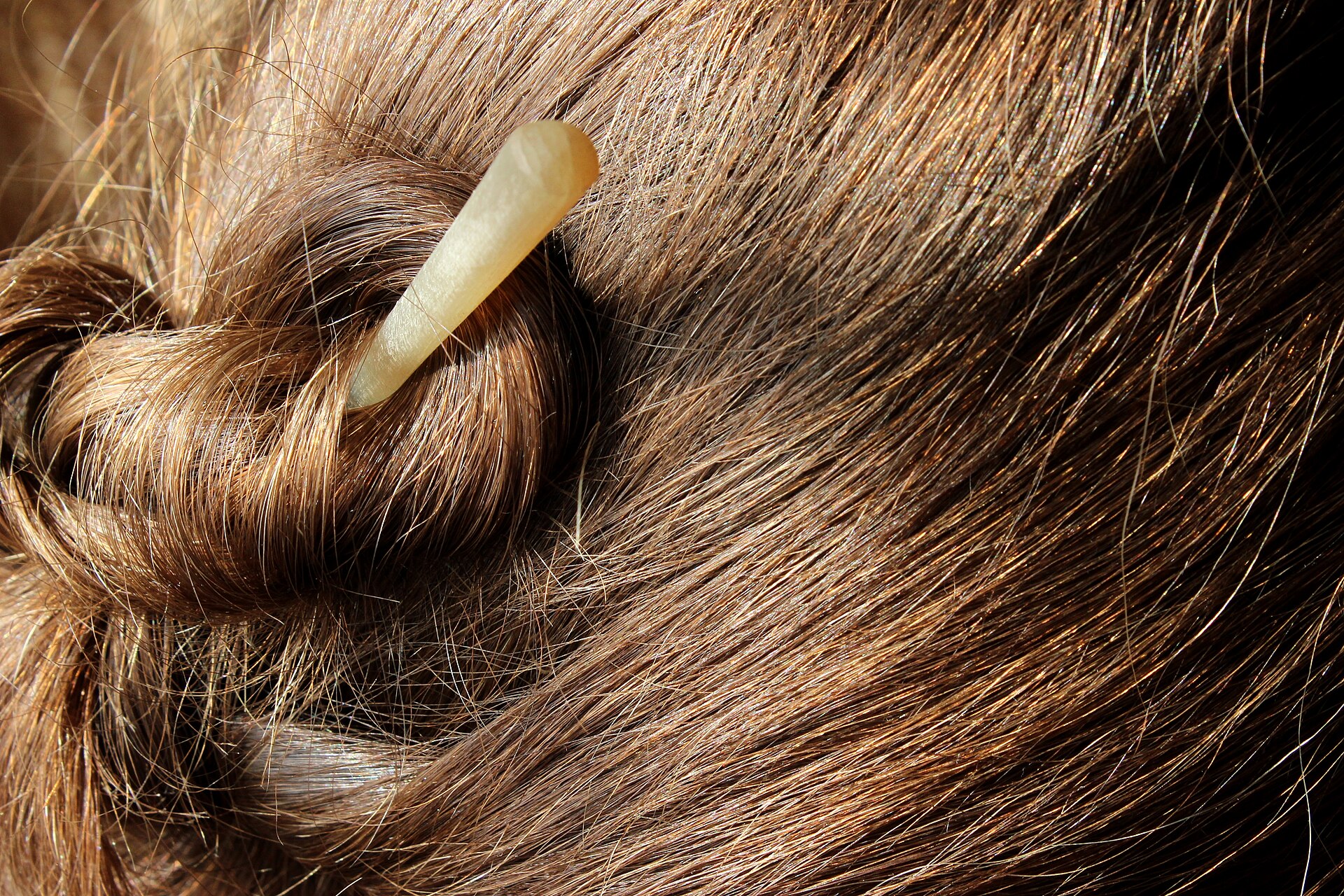
According to the findings, hair growth treatments have the most substantial backing, with some evidence supporting the notion that regular use of devices for a few months can lead to regrowth in thinning areas. However, patients need to continue using the devices for ongoing benefits.
For other claimed uses of red light therapy, such as wound healing, sleep improvement, workout enhancement, chronic pain relief, or aiding dementia, the evidence remains inconclusive. Dr. Nour Kibbi, also a clinical assistant professor of dermatology at Stanford, stated that the data is inconsistent and highlighted the many restrictions surrounding these claims.
The review also pointed out a significant difference in device potency. Clinical machines tend to be much stronger than those sold for home use, and many consumers are unaware of their device’s strength or recommended usage time. While some devices have received clearance from the Food and Drug Administration, such approvals primarily address safety rather than efficacy in achieving advertised results. The primary safety measure is to avoid directing the light into the eyes.
Ultimately, the review suggests that individuals considering red light therapy should clarify their goals. For those targeting mild acne or thinning hair, consistent use may yield subtle yet tangible improvements. However, expectations for comprehensive solutions may lead to disappointment and potential financial waste, as further research is needed to define effective dosages and applications.
