




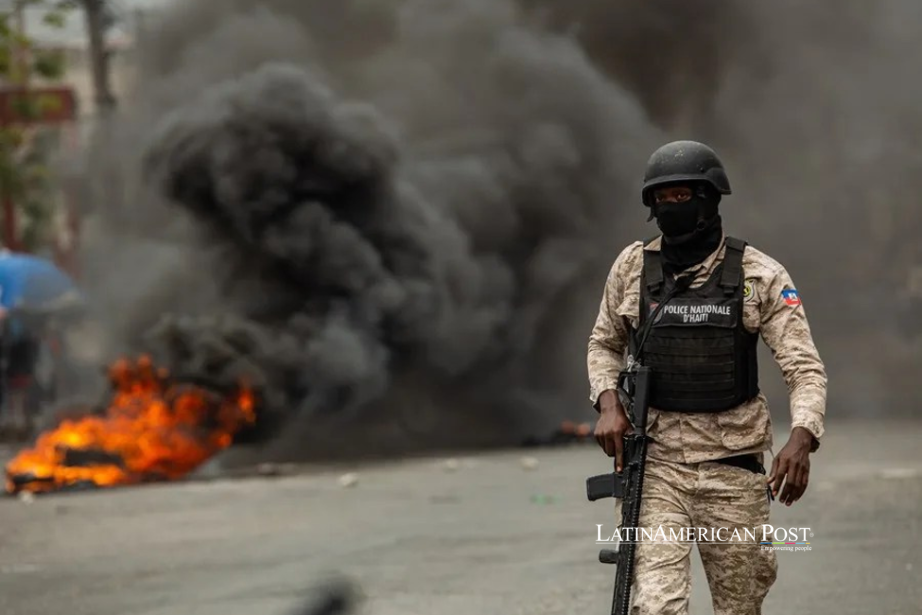
Four Salvadoran soldiers are currently missing in Haiti following an ambush near Port-au-Prince, raising serious concerns about security and the country’s governmental integrity. The Gang Suppression Force (GSF), tasked with combating gangs in the region, reported its commitment to continue operations despite uncertainties surrounding the fate of the servicemen.
Eight days have passed since the ambush, and while the GSF received some unidentified human remains possibly associated with the soldiers, President Nayib Bukele has expressed skepticism about this possibility. Forensic identification is crucial, and prematurely labeling the soldiers as deceased or alive would be misleading without clear evidence.
Compounding these issues are allegations from the Haitian anticorruption journalists’ network RHAJAC, which suggests that Prime Minister Alix Didier Fils-Aimé maintains a clandestine relationship with gang leaders for political gain. However, no verified evidence currently supports these claims, and investigations into potential protection networks are ongoing. A recent United Nations report described how political, economic, and security figures may contribute to gang operations, highlighting concerns about possible corruption among officials.
While there is a need to investigate these protection networks, it is essential to differentiate between serious inquiries and unverified allegations against Prime Minister Fils-Aimé. According to experts, concrete evidence such as documented communications or credible testimony could clarify the situation further.
The GSF has recently boasted about its deployed resources, sharing images of a convoy of armored vehicles aimed at strengthening their operations. However, the force, which currently consists of around 2,000 personnel, is functioning below its authorized strength of 5,500. This shortfall raises questions about their capacity to effectively manage security and protect civilians.
The Haitian government is also working to boost its military capacity, aiming to recruit 15,000 new personnel over three years. Recent recruitment efforts yielded around 2,000 applicants for only 700 available positions, showcasing the challenges of building an effective security force. Additionally, a successful recruitment drive alone cannot resolve the multifaceted security issues Haiti faces.
Recent reports have indicated a 75% reduction in civilian attacks in certain areas, according to ACLED, yet instances of kidnappings are on the rise, suggesting that armed groups may adapt and shift operations rather than being eradicated. This highlights the complexity of the situation; it is not merely a straightforward battle between opposing forces.
Overall, the combination of local pressure and ongoing investigations reveals a precarious balance for the future of security in Haiti. The path forward rests not only on military efforts but also on the establishment of accountable institutions and addressing the financial networks that support criminal activities. The next steps are crucial for the locals, who continue to navigate a landscape filled with threats from both gangs and potentially complicit officials.
