




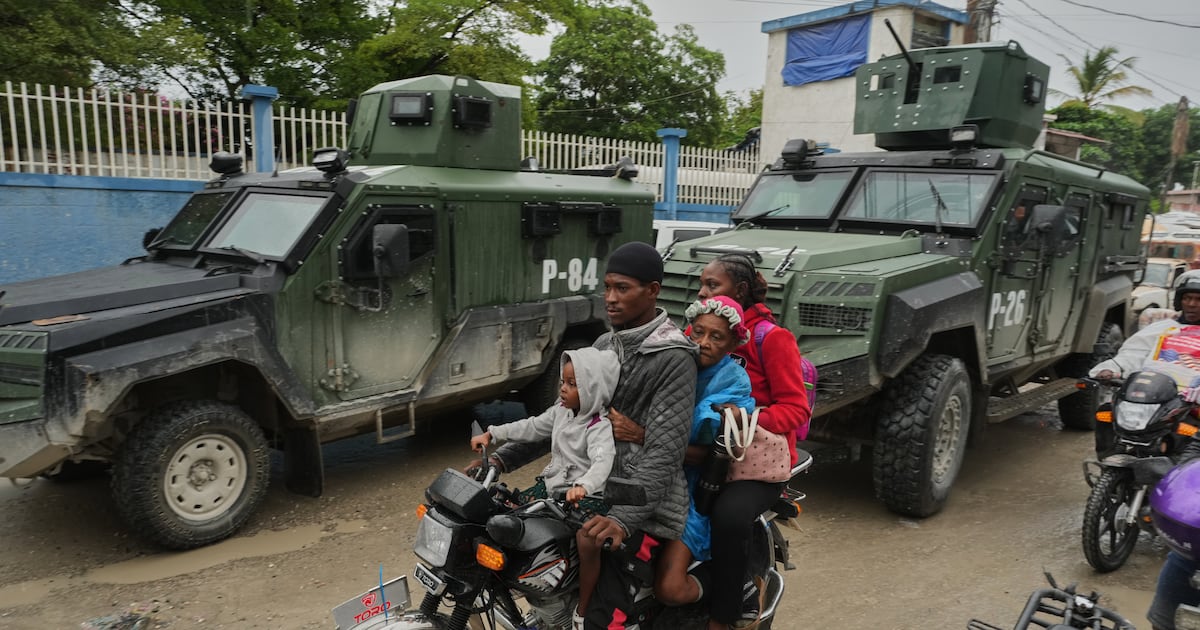
The ongoing deportation of Haitians from the United States has sparked concern over the potential destabilization of Haiti, with experts warning that returning individuals may face significant challenges upon arrival. Many deportees are expected to encounter prejudice and discrimination for having been away and potentially adopting American customs.
The issues of class and social disparity in Haiti, which have long contributed to tension within the nation, remain relevant as these deportations continue. Observers emphasize that the influx of deportees—many of whom may not have lived in Haiti for years—could exacerbate existing social frictions.
In particular, areas like Kenscoff and Port-au-Prince have struggled for generations with poverty and environmental injustice, leading to widespread frustrations among the youth in these communities. The addition of Creole-speaking Haitians, who may have become Americanized, is seen as a critical concern by some local groups who believe it is not what Haiti currently needs.
Concerns of a Return to Political Turmoil
The current situation in Haiti draws parallels to the country’s tumultuous past, particularly the Duvalier era, characterized by political oppression and civil unrest. Observers point out the dangerous precedent being set as the island faces challenges that could push it closer to civil war, raising fears among both locals and experts regarding the potential for renewed violence.
Experts argue that reversing current U.S. immigration policies could lead to improvements in the socio-political landscape of Haiti. There is a growing call for the United States to reconsider its stance on deportations, particularly given the increasing volatility within Haiti, where community divisions and historical grievances continue to simmer beneath the surface.
As conditions within Haiti grow increasingly dire, the need for comprehensive solutions that address both the issues facing deportees and the systemic problems within the country becomes more urgent. The international community, particularly U.S. policymakers, is urged to weigh the potential impact of their actions on Haiti’s stability and future.
