




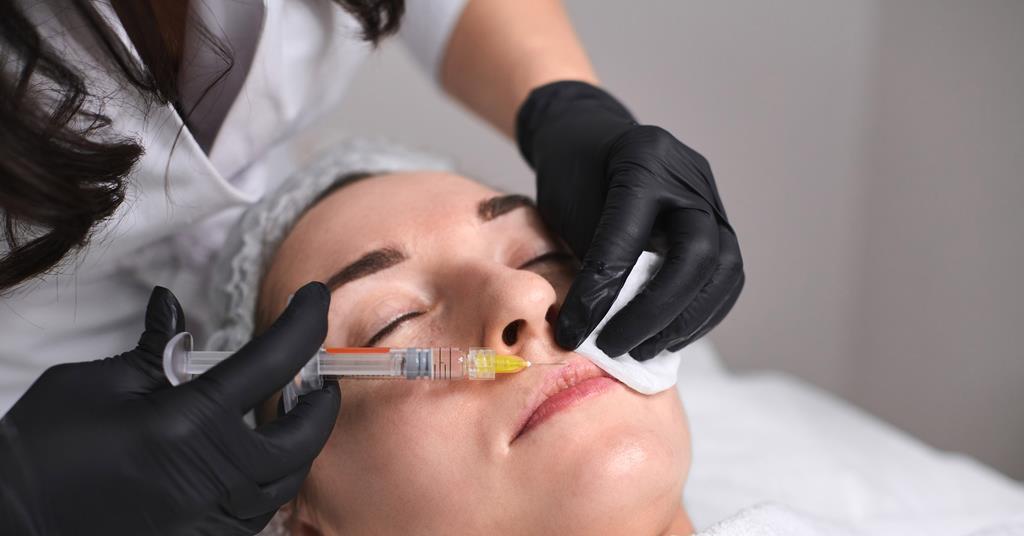
Regulation of hair and beauty products in the UK is in disarray, according to a report from the House of Commons Science and Technology Committee. The committee has criticized the government for its slow response to the growing array of cosmetic procedures available to consumers, stating that this delay has led to avoidable harm.
The report highlights that many hair and beauty products are safe and play a significant role in the £5.7 billion sector. However, it points out a worrying trend: non-surgical procedures such as dermal fillers, Botox injections, and laser therapies have surged in popularity without corresponding regulatory oversight. Consumers can now purchase these injectables and products online, often promoted by influencers, while practitioners frequently administer treatments with minimal training.
Chi Onwurah, the committee chair, expressed concern, stating, “Years of delay have left dangerous gaps in regulation and exposed people to avoidable harm.” She emphasized the importance of consumer trust, stating that individuals purchasing products on the high street should be assured of their safety and proper regulation.
The committee’s report further underscores systemic issues, suggesting that the lax regulation is rooted in sexism and racism. Notably, women own 85% of businesses in the hair and beauty sector, and 34% of those employed in the field belong to ethnic minority communities. The report also raises alarms about the lack of research on products predominantly used by Black women, such as chemical hair relaxers and straighteners.
In response to these findings, the committee is urging the government to establish and enforce a new licensing framework for cosmetic products, a proposal that has been on the table for 14 years. The government recently initiated a consultation process aimed at restricting high-risk cosmetic and wellbeing procedures to qualified professionals like doctors, dentists, and certain nurses. This consultation is set to close in January 2027.
Additionally, the report criticizes existing mechanisms for reporting harm caused by cosmetic products, describing them as inadequate. It calls for the establishment of a centralized, easily accessible reporting system for both consumers and health professionals.
Onwurah reiterated the need for a science-based approach to regulating the cosmetics industry, urging for improved research and more responsive actions to harm. “Consumers shouldn’t pay the price for regulation that has failed to keep pace,” she stated.
