




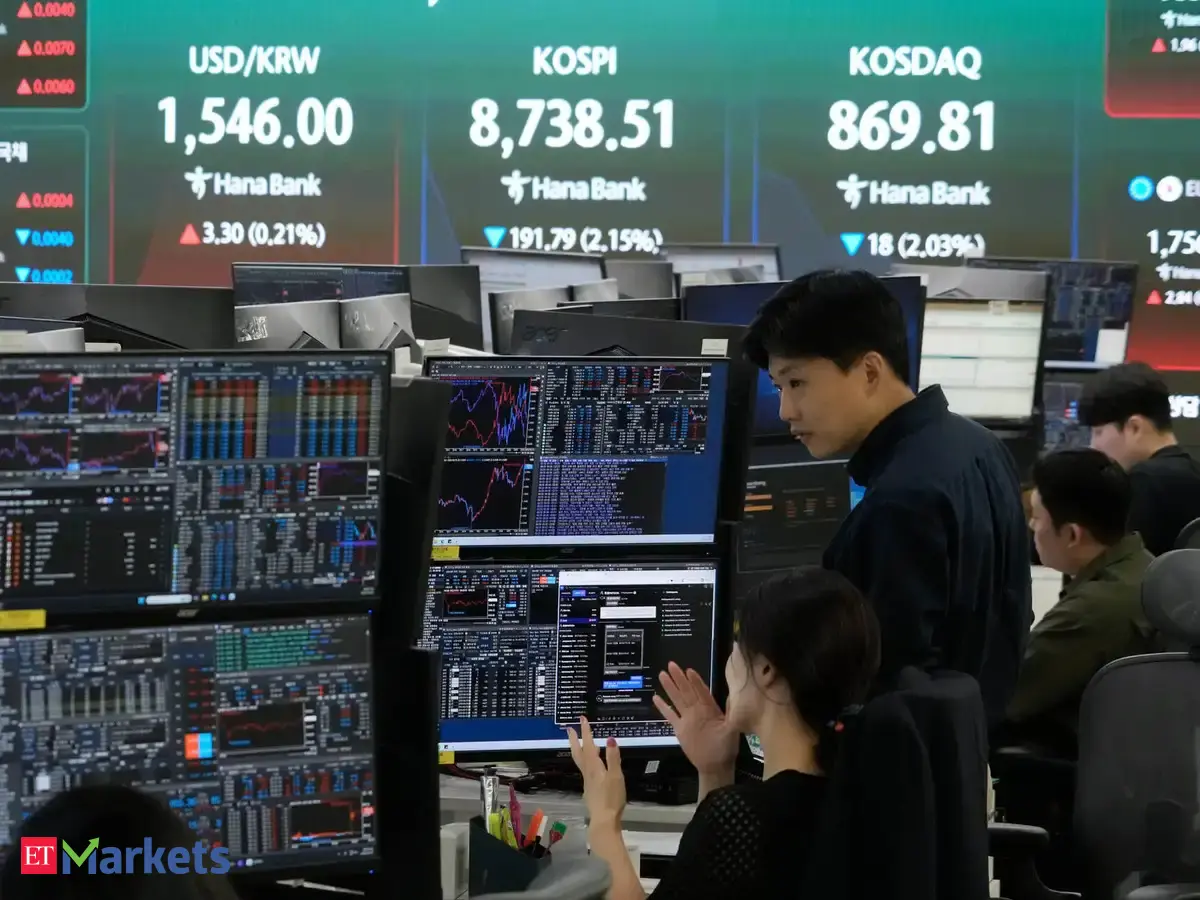
Asian stock markets opened higher on Monday, following a positive performance in US equities, although the gains were moderated by concerns surrounding an investigation into Nvidia’s CEO, Jensen Huang. The MSCI Asia Pacific Index increased by 0.5%, with benchmark indexes in Japan and Australia showing notable rises.
These gains come despite a dip in futures for the Nasdaq 100 and S&P 500 after Nvidia’s board announced it would investigate whether Huang had been targeted in a foreign espionage scheme, stemming from his admission of infidelity to employees. The situation has created uncertainty regarding Nvidia, a significant player in the artificial intelligence sector.
On Friday, US semiconductor shares rose 4.2%, supported by easing speculation that the Democratic Party would impose stricter regulations on the AI industry. However, Nick Twidale, chief market analyst at AT Global Markets, cautioned that the situation surrounding Nvidia could weigh on Asian markets, as it may deter investors’ risk appetite amidst recent declines in technology stocks, which pushed Japanese and Taiwanese shares into technical bear markets.
In commodity markets, Brent crude oil prices fell by 0.8%, trading around $97.50 a barrel after remarks from former President Donald Trump indicated that he would likely not order further military action against Iran, depending on the progress of nuclear negotiations and the reopening of the Strait of Hormuz.
The US dollar slipped against most major currencies, while the New Zealand dollar strengthened following a national election over the weekend. Bitcoin prices also rose, nearing $75,000.
Investors are awaiting inflation data from the US, scheduled for release on Tuesday, which could provide insights into future interest rate decisions. There is currently an estimated 80% probability of an interest rate hike by the end of the year. Barclays strategists noted that despite uncertainties regarding AI investments and past market behaviors, they perceive solid growth momentum and recommend buying any dips in the dollar.
In Asia, attention is focused on the release of Chinese consumer and producer price data, which is expected to indicate a potential rise in inflation due to increasing energy costs, as per Bloomberg Economics.
