




As the United States approaches the end of the year following the midterm elections, the prospect for global peace remains bleak. Analysts suggest that significant international conflicts will likely continue despite the political changes in Washington.
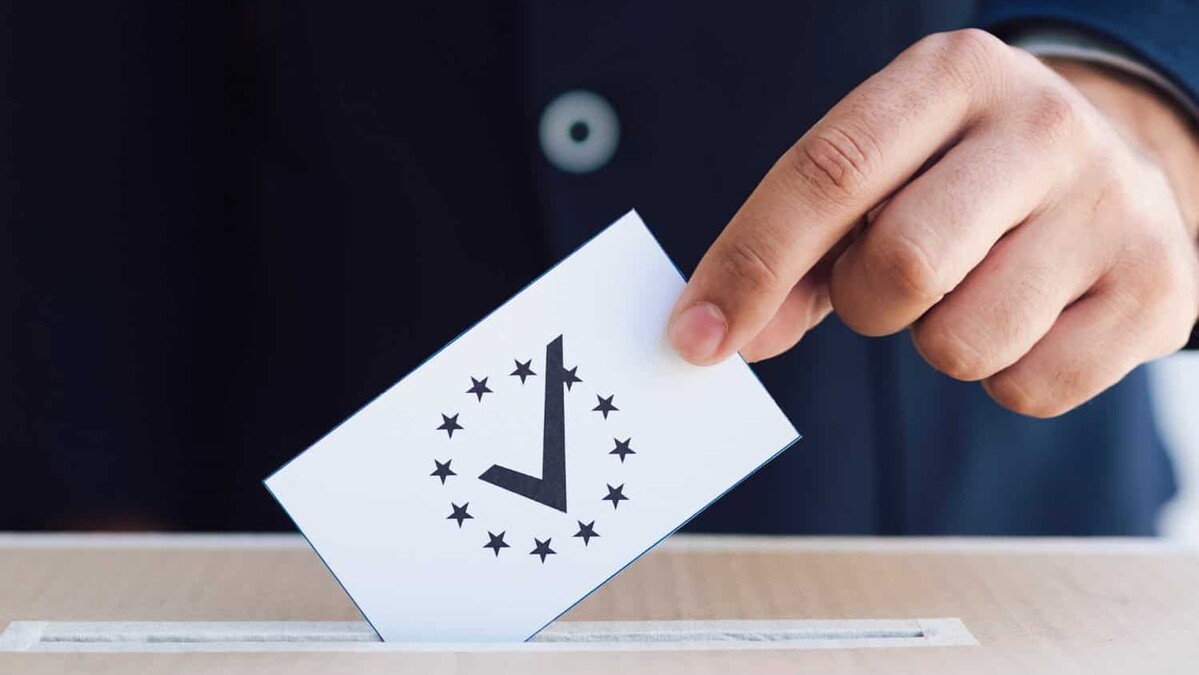
The recent elections resulted in Democratic control of both the House and Senate, marking a notable shift in the political landscape. However, experts caution that domestic political outcomes do not directly influence foreign hostilities. The new Congress will not convene until January, meaning that electoral victories from November 3 will not halt ongoing conflicts before the year’s end.
The electoral results may affect how international actors reassess their strategies. Moscow is expected to monitor whether a less compliant Congress will alter U.S. support for Ukraine. Meanwhile, Kyiv and its European allies will be observing how this support may be impacted in the coming months. Former President Trump, who has emphasized peace negotiations in his platform, may seek to showcase progress prior to the new Congress taking office. This urgency could lead to tangible advancements or result in rushed agreements that lack equity, requiring careful scrutiny from involved parties.
Recent developments in the Russia-Ukraine conflict offer a glimmer of cautious hope. Both countries have agreed to a local ceasefire in Oleshky and will engage in technical discussions in Abu Dhabi in mid-November. President Vladimir Putin has indicated a willingness to resume negotiations after November 10. However, these gestures are minor; a localized truce does not equate to a nationwide peace resolution.
The situation in Gaza reflects a similar reality. A ceasefire established in October of the previous year continues amidst mutual accusations of violations. The main mediator of the agreement acknowledges its imperfections, underscoring that a peace existing solely in public statements offers little solace to those affected by ongoing violence.
Three key points warrant discussion in the international debate surrounding peace initiatives. First, a peace agreement merely signed for rhetorical purposes does not constitute true peace. If Ukraine were compelled to accept terms that reward the invasion, it would only delay future conflict, not eliminate it. Celebrating such an agreement would be misguided.
Second, the international community must share the responsibility for peace negotiations. Relying solely on Washington risks missing out on valuable contributions from European nations, Arab mediators, Turkey, and the United Nations. It would be a misstep for the world to remain passive while awaiting U.S. congressional actions.
Third, ordinary citizens, whether in Santo Domingo, Kyiv, or Gaza, deserve straightforward communication. Promising “world peace” by Christmas could be seen as manipulation. Realistic goals include establishing humanitarian corridors, prisoner exchanges, civilian protection, and sustained negotiation tables that persist in the face of challenges.
It appears that peace will not be achieved globally before the new year. However, a potential ceasefire between Ukraine and Russia before December could lead to lower oil and food prices, easing the cost of living pressures and benefiting seasonal tourism. While the world may not find peace in 2026, it could end the year with reduced casualties, less destruction, and increased dialogue.
