




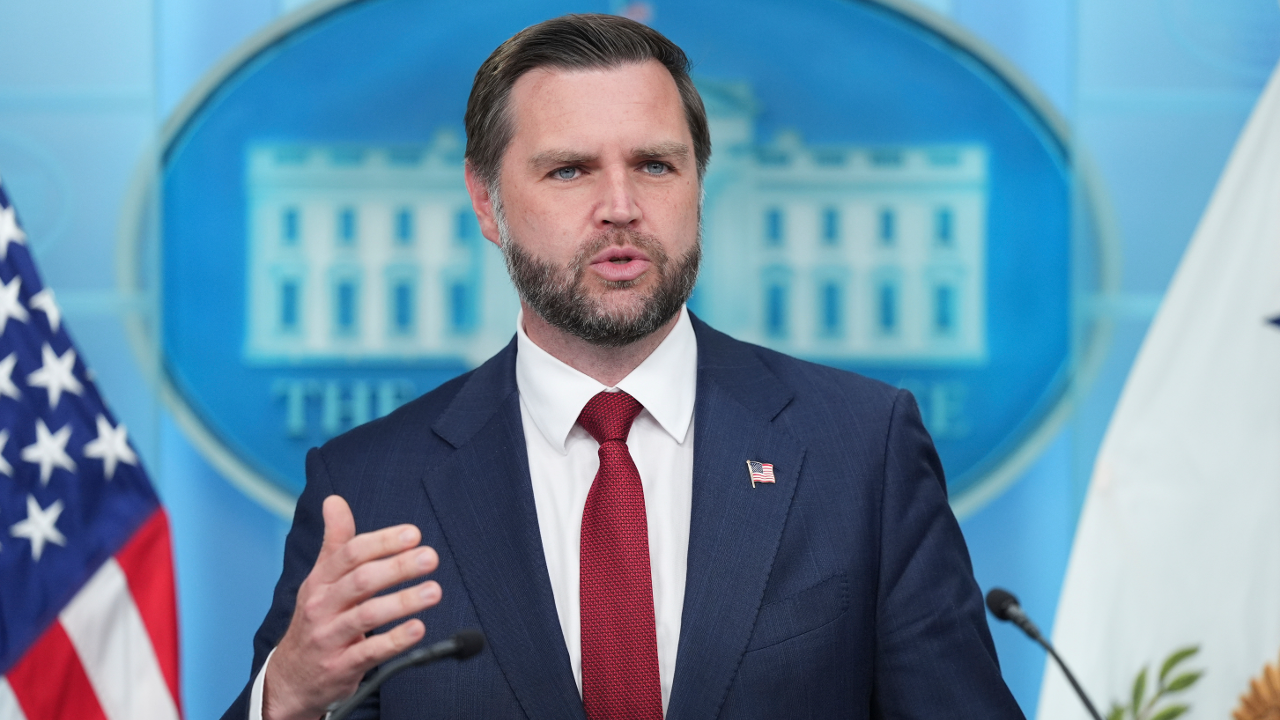
Vice President JD Vance is facing backlash from some Republicans after attributing the party’s recent midterm election losses to the Iran war. His comments have raised questions about his political future as he contemplates a run for the presidency in 2028.
The criticism comes in the wake of a disappointing election cycle for the GOP, which lost control of both chambers of Congress, with more than 30 House members defeated. This prompted a variety of explanations among party members about what went wrong and how to move forward.
On November 4, Vance discussed the reasons voters abandoned the party, highlighting issues such as inflation, priorities in America First policies, and the United States’ relationship with Israel. He specifically stated, “The reason we lost is the war. The president himself said so last night,” underscoring his belief that the conflict had a major impact on the election results.
His comments have not sat well with some Republican figures. Representative Randy Fine of Florida publicly stated he would not support Vance in a potential presidential primary, drawing comparisons between Vance’s rhetoric and historical contexts he described as reminiscent of “1932 Germany.” Fine accused Vance of implying blame towards Jewish voters for the losses, a characterization Vance’s office has not publicly addressed.
Former Vice President Mike Pence also rejected Vance’s reasoning, stating that voters were frustrated not because Trump initiated the Iran war, but due to an incomplete approach to the conflict during Trump’s administration. Pence said that this frustration stemmed from the administration’s perceived lack of progress and its “politics of appeasement.”
Despite the criticism, former President Donald Trump defended Vance’s assessment and suggested his relationship with the vice president was unchanged. Trump remarked, “No, not at all,” when asked if the comments had strained their bond. He emphasized his commitment to decisions made during his presidency, even amidst the electoral fallout.
Amid this turmoil, some Republican allies of Vance are encouraging him to focus on a potential candidacy, asserting that he could successfully navigate a competitive primary rather than being handed the nomination. However, a report from The Wall Street Journal indicated that some advisors are suggesting he might need to reconsider his 2028 ambitions due to the midterm losses.
As the GOP looks to regroup after the recent election setbacks, several prominent names are emerging as potential 2028 candidates, including Florida Governor Ron DeSantis and Senator Ted Cruz. With the political landscape evolving, the upcoming decisions by Vance and others will be closely monitored as the party prepares for future contests.
