




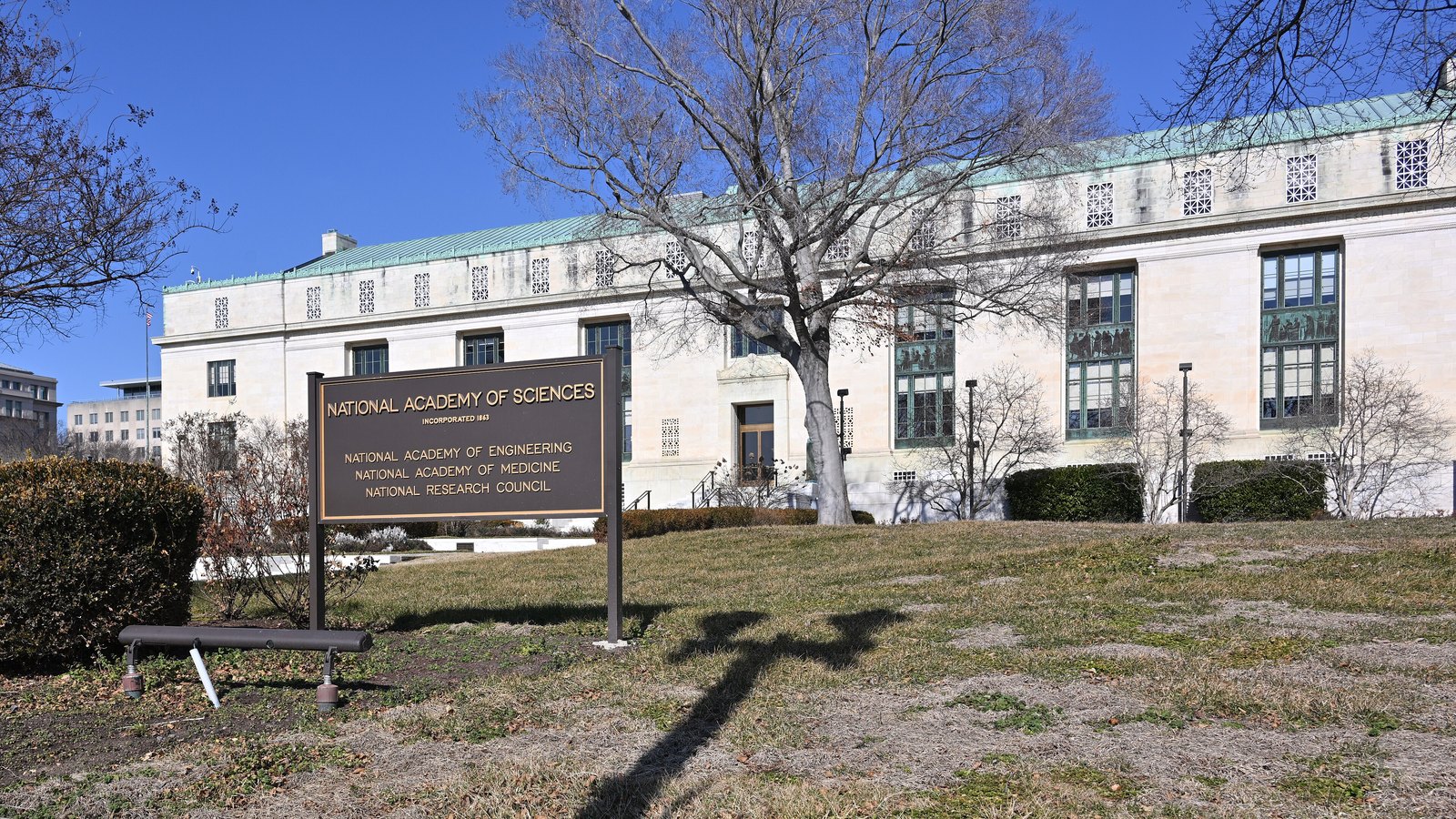
The National Academies of Sciences, Engineering, and Medicine has begun the Earth Science and Applications from Space Decadal Survey for the period 2028-2037, known as ESAS 2028, at the request of NASA. The initiative commenced in November 2026, with the aim of establishing priorities for NASA’s Earth observation missions.
The survey committee will comprise experts from various fields, including academia, commercial Earth observation entities, and sectors such as agriculture, insurance, finance, and energy, according to NASA.
NASA’s Decadal Survey 2028 page indicates that engaged individuals and organizations will contribute to identifying complex Earth science questions and the essential observations needed to address them. The committee plans to consider input from appointed study panels, working groups, and the broader community before reaching consensus recommendations.
Professor Steve Nerem from the University of Colorado Boulder is co-chairing the committee. The committee will focus on reviewing existing NASA infrastructure and developing strategic directions over the next year. It has already received over 250 white papers discussing mission priorities and gaps, particularly as current satellites approach the end of their operational lives.
NASA lists a diverse range of expected contributions to the survey’s development, which include input from academic institutions, private companies, non-profits, and various government agencies. The agency’s Earth Science Division will provide relevant documents for context, including strategies and past evaluations, which will be released publicly as they are approved.
The new survey will build upon findings from the previous Decadal Survey covering 2017-2027. An assessment of that survey revealed ongoing progress in key prioritized areas, including partnerships with international organizations and modifications to specific missions based on funding constraints.
In a recent audit, NASA’s Office of Inspector General noted limitations in the agency’s communication with the Academies and identified challenges in documenting progress and resource allocation within the survey process.
Nerem emphasized the necessity of prioritization in Earth science, stating that “NASA can’t do everything,” highlighting the importance of synthesizing diverse opinions from the research community.
The committee will continue its efforts over the coming year. Updates, including kickoff presentations and reference materials, will be posted on the NASA ESAS 2028 page as they become available.
