




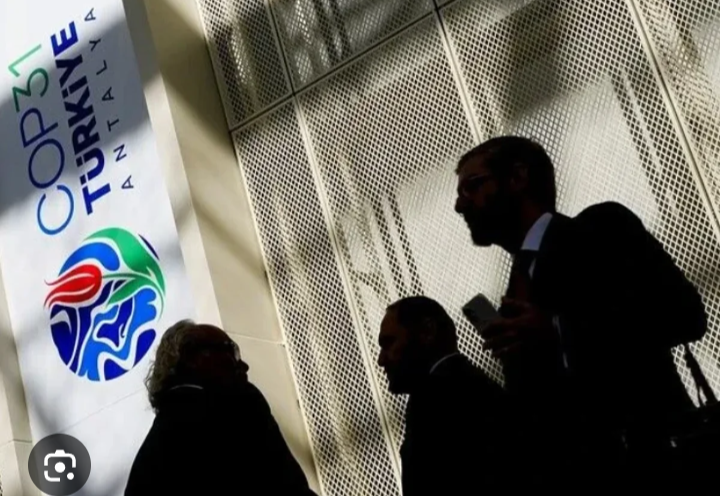
The 31st annual United Nations Climate Change Conference (COP31) concluded in Antalya with African nations facing a mix of achieved and unmet goals. While Africa produces approximately 4% of global greenhouse gas emissions, it contends with significant climate challenges, including drought, floods, and food insecurity, necessitating about $70 billion annually for adaptation efforts.
A major objective for African negotiators was to establish a dedicated agenda item aimed at tripling adaptation finance. However, Dr. Antwi Amoah, chair of the African Group of Negotiators, confirmed that this proposal was not adopted. At COP30, a tripling pledge was made, but without any accompanying financial figures.
Developing countries had called for this tripling to be defined specifically as $120 billion per year, but the second draft of the conference’s cover decision did not include this number. Despite a growing need for about $305 billion each year for public adaptation finance, recent statistics show an increase of just $1 billion between 2023 and 2024.
On the positive side, COP31 resulted in the establishment of a standalone Climate Finance Work Programme, which was a key demand from developing countries. The conference also proposed the “Antalya-to-Addis Ababa Roadmap on Adaptation and Resilience Finance,” aimed at securing predictable and increased financing for adaptation, including provisions for loss and damage.
Moreover, the conference requested the Standing Committee on Finance to prepare a technical report detailing baseline options and progress toward the goal of tripling adaptation finance. The United Nations Environment Programme’s (UNEP) chief praised Africa’s unified stance during the ministerial meetings.
Despite these developments, advocates such as Amos Wemanya from Power Shift Africa indicated that work remains to secure need-based adaptation financing through the new Climate Finance Work Programme, deriving from Article 9.1. The interpretation of this article is contentious, with the previous tripling deal lacking a defined baseline.
Looking ahead, COP32 is scheduled to take place in Addis Ababa in November 2027, which will be another important opportunity for African nations to present a concrete financial proposal, focusing on predominantly grant-based funding and a clear delivery timeline.
In summary, while Africa gained a framework and processes from COP31, the critical challenge remains securing the financial resources necessary to address the immediate needs of vulnerable communities facing the impacts of climate change.
