




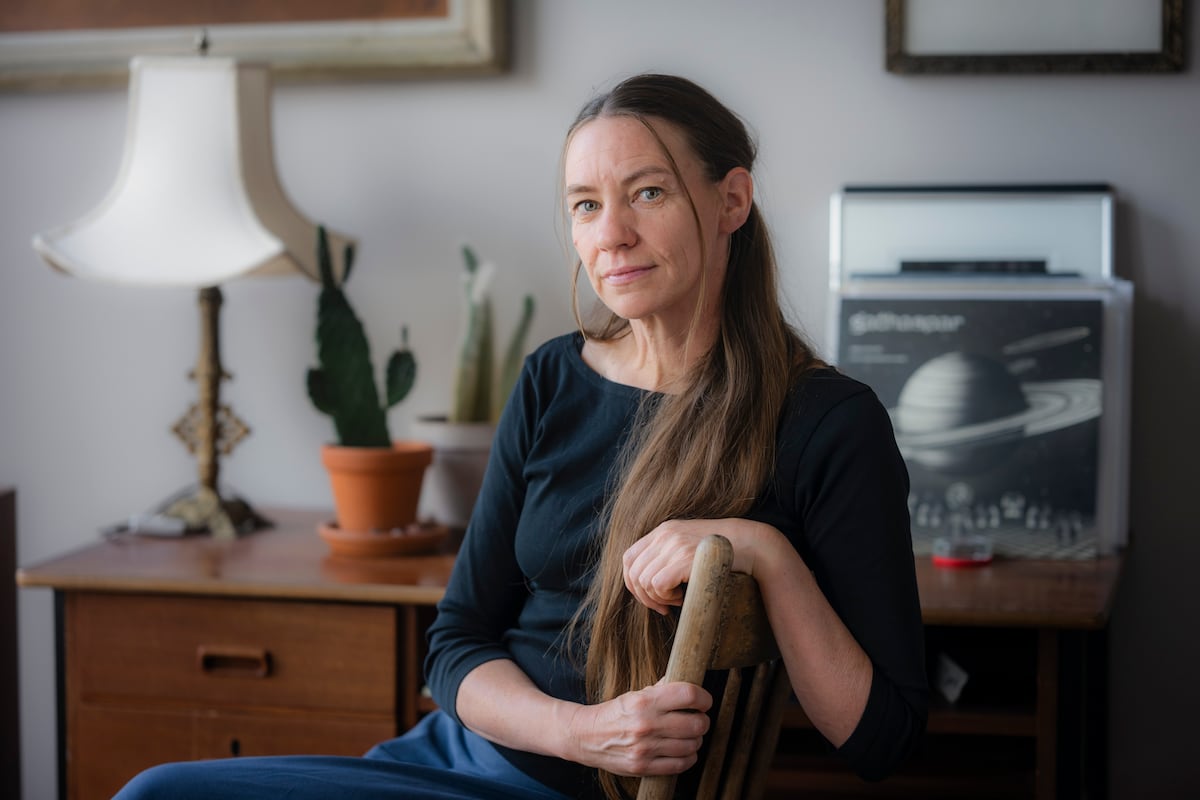
Toby Kiers, a biologist and professor at Vrije Universiteit Amsterdam, has been awarded the 2026 Tyler Prize for Environmental Achievement, making her the youngest recipient of the prestigious award, often likened to the Nobel Prize for environmental science. Recognized for her groundbreaking research on mycorrhizal fungi, Kiers explores how these organisms, which form symbiotic relationships with plant roots, make decisions and process information without a brain.
Originally from New York and raised in Connecticut, Kiers’s early interest in nature began with mushroom foraging with her sister. This passion led her to abandon traditional academia at age 19 to pursue field biology. Kiers’s career has focused on understanding underground ecosystems, particularly in Panama’s forests, where she first encountered mycorrhizal fungi.
Her research shows that these fungal networks are integral to the global carbon cycle, transferring significant amounts of carbon dioxide from plants into the soil. Kiers estimates that plants channel around 13 billion tons of CO₂ annually into these networks, contributing substantially to the earth’s carbon storage methods. In her efforts, Kiers advocates for the international legal protections for fungi, aiming to elevate their status similar to those of plants and animals.
In addition to her academic pursuits, Kiers founded the Society for the Protection of Underground Networks (SPUN), which aims to secure protections for underground fungi and enhance public awareness of their essential roles in ecosystems. SPUN has developed a comprehensive subterranean atlas, identifying hotspots of fungal biodiversity and indicating that over 90% of these critical areas lie outside designated protected zones.
Kiers’s work challenges traditional views of nature as merely a realm of cooperation or competition, revealing a more complex web of interactions among organisms. She emphasizes that fungi exhibit behaviors akin to resource sharing, moving nutrients based on environmental needs, and cautions against oversimplified interpretations of these dynamics.
Looking ahead, Kiers continues her research with innovative technologies, using imaging robots to study how fungi grow and make decisions over time. She advocates for understanding alternative decision-making processes beyond human perspectives, noting that fungi have evolved diverse mechanisms to adapt and thrive in their environments.
As Kiers prepares for future expeditions in New Zealand and Georgia, she remains dedicated to both fieldwork and the preservation of fungal networks, highlighting their vital contributions to soil health and ecosystem resilience. Her ongoing efforts in mapping and studying fungal biodiversity may offer critical insights for environmental conservation worldwide.
