




Following the midterm elections, the California Legislature is poised for significant change, featuring a landmark achievement in gender representation. For the first time, the legislature will have an equal number of men and women in both the Assembly and Senate. Furthermore, representation by people of color is at an all-time high, bringing the legislature closer to mirroring California’s diverse population.
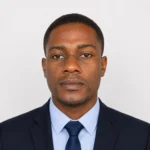
The Orange County delegation has played a crucial role in this evolution. Paula Swift will represent Assembly District 70, which includes Little Saigon and Los Alamitos. She not only contributes to gender parity but is also recognized as the first Black legislator from Orange County, according to Alex Vassar with the California State Library. Jessie Lopez has been elected to represent Assembly District 68, marking her as the first woman and first Latina to serve this district, which encompasses Anaheim, Orange, and Santa Ana.
One of the pivotal races that could have shifted the balance in the Assembly was in the 72nd District. Assemblymember Diane Dixon, a Republican from Newport Beach, currently holds the seat, but Huntington Beach Councilmember Gracey Van Der Mark is trailing former NFL player Chris Kluwe by nearly 900 votes, based on the latest unofficial election results.
In discussing the importance of female representation, Susannah Delano, the executive director of Close the Gap, emphasized that women have successfully led efforts on essential issues such as affordability and AI bias in legislative bills. “Gender parity is not only a historic achievement; it’s about future impact,” Delano stated, highlighting the role women will play in shaping California’s policies for years to come.
Geographically, the midterm elections also marked significant milestones. Traditionally, representatives from Orange County have emerged from larger cities like Santa Ana and Anaheim. However, Swift, who is from Seal Beach, along with Sergio Farias from San Juan Capistrano and Chris Duncan from San Clemente, represent a broader range of community backgrounds.
Assembly Speaker Robert Rivas noted the enhanced diversity within the legislature, stating, “That means more perspectives, more debate and better ideas than this Legislature has ever had.”
However, the legislature’s political party representation has not seen similar diversification. The recent elections contributed to the smallest Republican Caucus in the Assembly since the 1875-76 session. Notably, two Republican incumbents from Orange County—Senator Tony Strickland of Senate District 36 and Assemblymember Laurie Davies of Assembly District 74—lost their elections, meaning no Republican will represent a coastal district for the first time since 1868.
Vassar commented on this shift, describing the absence of Republican representation along the coast as a significant development in California’s ongoing political narrative. He noted, “District boundaries shift, political coalitions evolve, and once-familiar patterns eventually give way to new ones.”
Despite the setbacks, some local Republicans remain optimistic. Senator Steven Choi from Irvine expressed commitment to making their voices heard in the upcoming legislative session, emphasizing the importance of addressing local issues and challenging policies that may not benefit constituents. Similarly, Senator Kelly Seyarto highlighted the need for Republican perspectives in the statehouse to avoid a singular narrative.
When the legislature convenes next year, Orange County will feature representation from four Democrats and two Republicans in the state Senate, along with seven Democrats and two Republicans in the Assembly, assuming current election results stand.
