




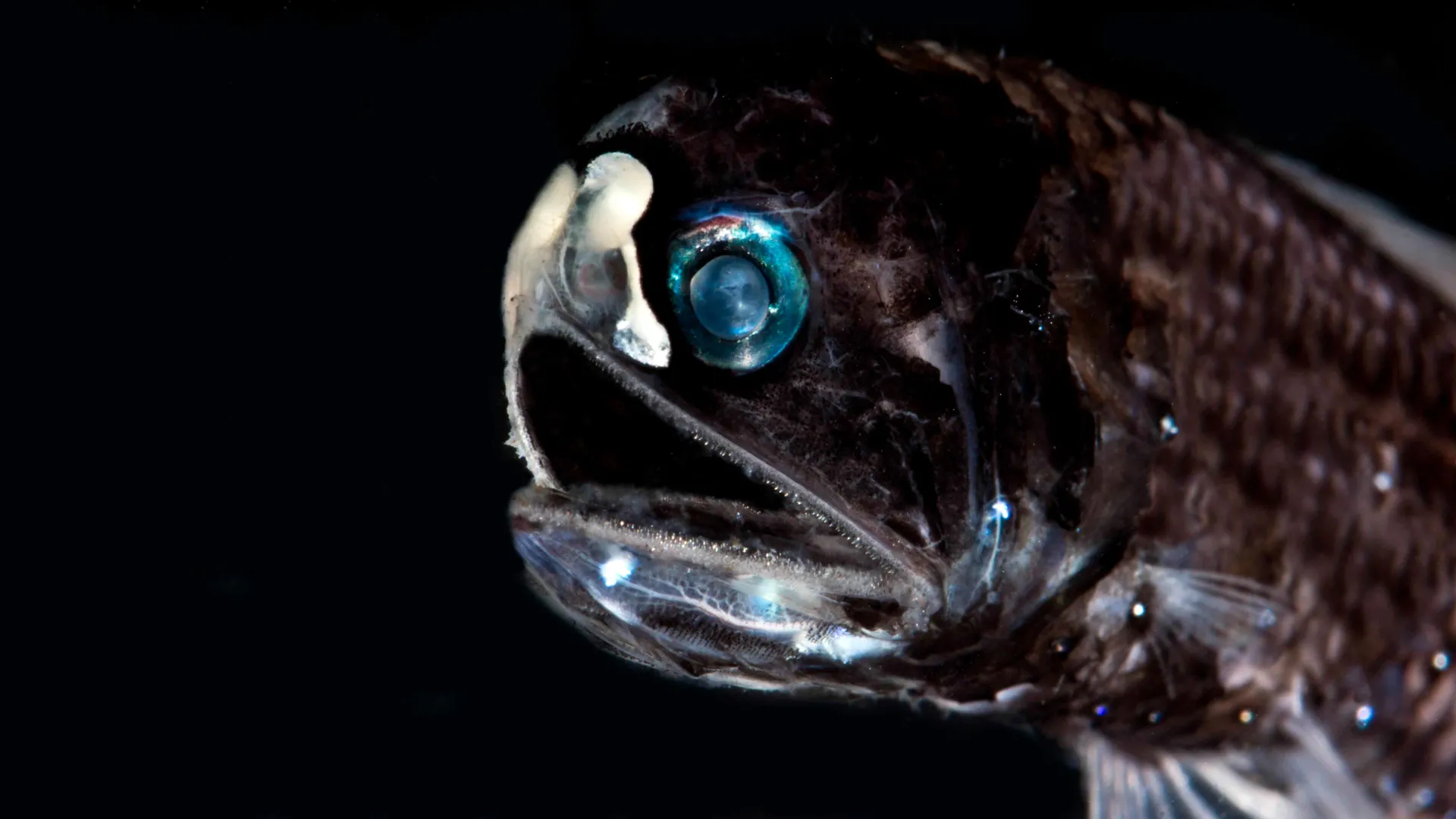
New research indicates that marine species residing deep in the Gulf of Mexico face a higher extinction risk than previously understood. A study conducted by scientists at Florida International University (FIU) has revealed troubling genetic signs among these organisms, challenging the belief that the deep ocean serves as a refuge for marine life amidst global biodiversity decline.
Led by FIU marine scientist Pedro A. Peres from the Bracken-Grissom Lab, the study analyzed genetic data collected over 12 years from five species found hundreds of meters below the ocean surface. This included three species of lanternfish and two species of deep-sea shrimp, sampled between 2011 and 2023.
The research team examined DNA from 486 specimens to assess population changes and their capacity to cope with future environmental challenges. Peres noted that few studies have tracked genetic changes in deep-sea species over extended periods, making these findings particularly significant.
According to Peres, all species examined exhibited genetic traits associated with a heightened risk of extinction. Notably, the lanternfish species Diaphus dumerilii experienced an approximate 8% reduction in genetic diversity over the study period, a decline comparable to that seen in some threatened species over much longer timescales.
Additionally, findings showed that the effective population sizes of all five species were relatively small, indicating that only a limited number of individuals contribute to the next generation’s genetic makeup. This challenges the notion that deep-sea organisms are inherently resilient due to their expansive habitats. Peres emphasized the importance of considering genetic diversity alongside population abundance for assessing long-term viability.
The role of genetic variation is crucial for a species’ ability to adapt to changing environments, resist diseases, and recover from disturbances, as explained by Heather Bracken-Grissom, assistant director of the Institute of Environment’s Coastlines and Oceans Division and a co-author of the study. “When that diversity disappears, a species can also lose the ability to withstand future threats,” she said.
Potential Habitat Losses from Climate Change
The research also utilized climate models to project future habitat conditions in the Gulf. By the years 2050 and 2100, four of the five species studied could face significant habitat degradation, with potential losses of up to 70% of their suitable environments.
Peres highlighted the alarming nature of these findings, especially in light of the belief that vast deep-sea habitats were conducive to maintaining robust populations. The research raises concerns regarding the lasting effects of the 2010 Deepwater Horizon oil spill, which had previously been linked to notable declines in deep-sea animal populations. While no direct connection was established between the spill and the genetic changes observed, the results suggest that environmental disruptions could have lasting consequences.
Peres warned, “Our results suggest some deep-sea populations may have already been genetically vulnerable before the Deepwater Horizon oil spill,” underscoring the broader implications of environmental disturbances on genetic resilience.
This study, involving co-authors Keith Sellers of FIU and Tracey T. Sutton of Nova Southeastern University, emphasizes the urgent need for monitoring deep-sea biodiversity. The authors argue that tracking genetic changes over time is critical for recognizing threats to species survival that traditional population surveys might overlook. “This study serves as a wake-up call for the scientific community,” Peres stated, calling for the integration of genetic monitoring into biodiversity assessments to better understand changes in marine populations.
