




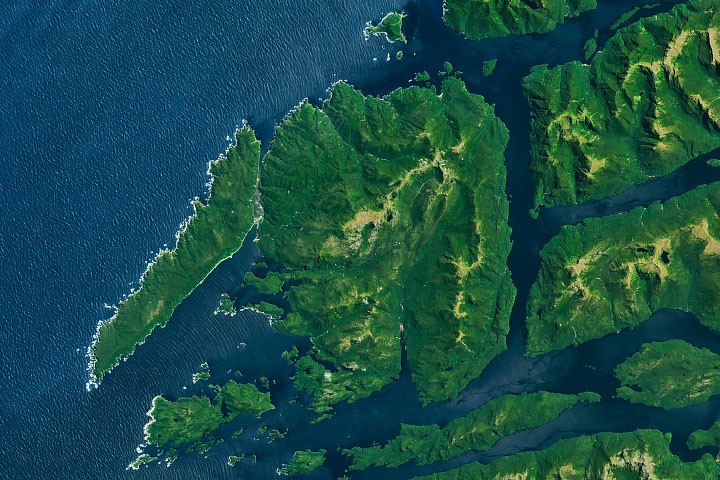
Resolution Island, situated in New Zealand’s Fiordland region, has a rich history as a sanctuary for native bird species. In the late 1800s, conservationists began recognizing the dangers posed by predators like stoats, introduced to control other nonnative animal populations, to indigenous birds. This led to the idea that some islands could offer refuge for these vulnerable species.
In 1872, conservationist Thomas Henry Potts suggested that Resolution Island could become a safe haven for “wingless species, and birds of feeble powers of flight.” His vision marked the beginning of systematic efforts to protect native birds such as kiwi and kākāpō on the island, which is the largest among the approximately 90 islands in Fiordland National Park.
The island rises from sea level to the summit of Mount Clerke at 1,069 meters (3,507 feet) and features a diverse range of habitats, including coastal wetlands, podocarp forests, and tussock grasslands. The nearby Taumoana (Five Fingers Peninsula) Marine Reserve protects important marine ecosystems at the entrance to Dusky Sound.
Pigeon Island, located farther into the sound, was once home to Richard Henry, appointed caretaker of Resolution Island when it was designated a reserve in 1891. Henry undertook a monumental effort, personally transporting over 700 birds to Resolution and nearby islands in an effort to bolster their populations.
However, in 1900, stoats were spotted on Resolution Island, as the area is within swimming distance for these predators. Although Henry attempted to trap the animals, he eventually left the project, continuing his conservation work on other islands. The Department of Conservation later initiated a program in 2008 aimed at controlling the stoat population to support native species on Resolution Island.
The significance of these conservation efforts endures as they contribute to the ongoing challenge of preserving New Zealand’s unique wildlife.
