




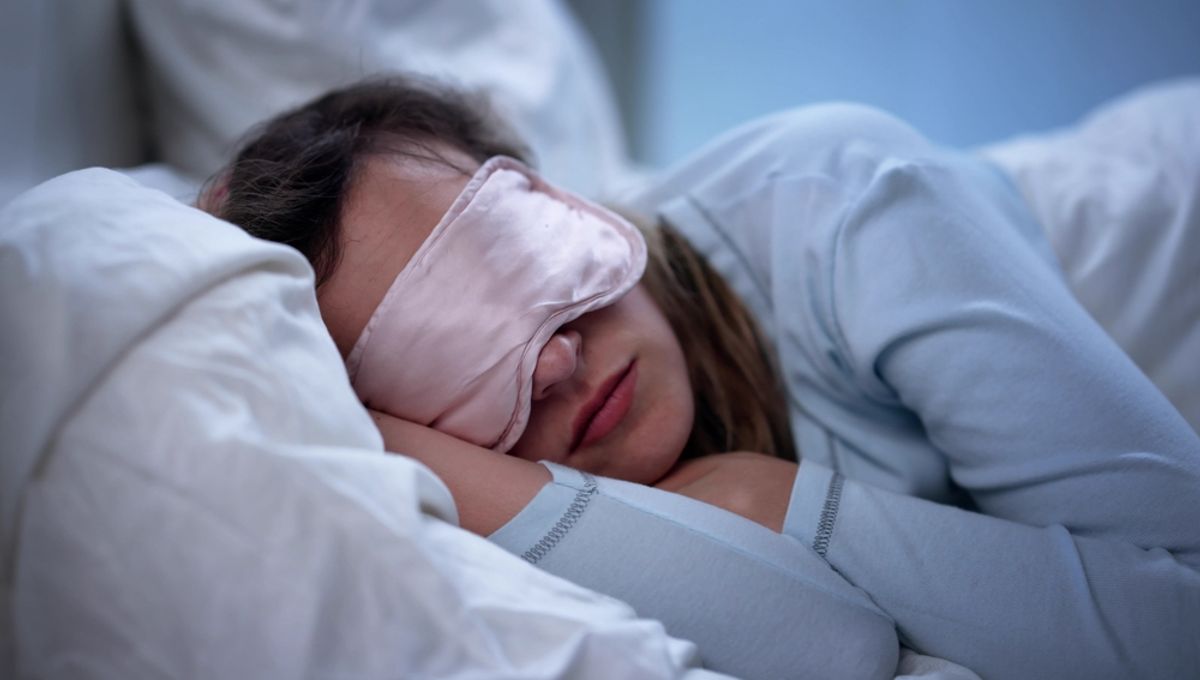
Traveling can often disrupt sleep patterns, particularly on the first night in a new environment. This phenomenon, referred to as the “first-night effect,” is characterized by increased alertness and difficulty falling asleep due to the brain’s vigilance in an unfamiliar setting.
The first-night effect can lead to various sleep disturbances, including prolonged time to fall asleep, more frequent awakenings, and decreased overall sleep quality. A study published in the journal Sleep highlights how individuals may experience reduced REM sleep and lower sleep efficiency in these circumstances.
Travel insomnia is a widespread issue, with up to 80 percent of travelers reporting difficulties sleeping away from home, according to the Clayton Sleep Institute. While unfamiliar mattresses can contribute to poor sleep, other factors such as changes in light exposure, routines, environmental surroundings, and feelings of safety play significant roles.
Understanding the First-Night Effect
The brain’s response to new environments can cause increased vigilance during sleep. Research indicates that one hemisphere of the brain may remain more alert than the other, a phenomenon that could stem from evolutionary survival strategies. This heightened awareness can interfere not only with sleep but also affect learning and cognitive processes, as noted in a study from Scientific Reports.
Several additional factors contribute to travel-related sleep issues. Crossing time zones can misalign the body’s circadian rhythm, regulated by the suprachiasmatic nucleus, with local time. This disruption can lead to erratic patterns of melatonin and cortisol release, making it difficult to adapt to new sleep schedules.
Furthermore, travel itself can be stress-inducing, with airport crowds and packed itineraries elevating cortisol and adrenaline levels. Coupled with external factors such as caffeine intake, alcohol consumption, and environmental conditions like room brightness and temperature, achieving restful sleep can become even more challenging.
Tips for Better Sleep While Traveling
Experts at Johns Hopkins Medicine offer several strategies to combat travel insomnia. Travelers are advised to adapt to their destination’s schedule as soon as possible, which can include seeking natural light, adjusting meal times, and avoiding long daytime naps.
For shorter trips, maintaining a home schedule may be less disruptive than adjusting to a new time zone only to revert quickly. Familiar sleeping environments can also help ease the transition. Packing a favorite pillowcase or following a regular bedtime routine can make unfamiliar accommodations feel more comfortable.
Practicing good sleep hygiene, such as keeping the room dark and cool, limiting caffeine and alcohol intake near bedtime, and engaging in morning exercise, can signal to the body that it is time to awaken.
Finally, it’s important for travelers to understand that restlessness on the first night is usually temporary. As the brain acclimatizes to the new space, sleep quality is likely to improve in subsequent nights.
