




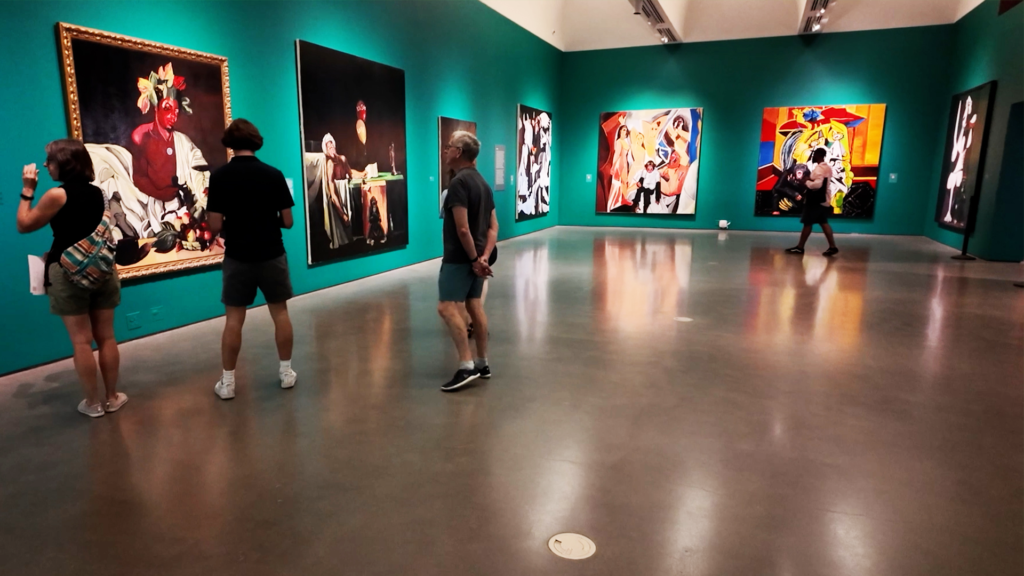
A unique initiative in Charlotte, North Carolina, called “Art on Prescription,” is utilizing the arts as a therapeutic tool to address loneliness and social isolation among community members. This program offers art-related experiences as an alternative to traditional medical prescriptions.
Art as Medicine: A New Approach in Charlotte
Participants in this innovative program are referred by healthcare providers to engage in various artistic activities instead of receiving standard medications. Alisha Bigby, a participant in Art on Prescription, shared her personal journey of grappling with grief after losing several family members in quick succession. She described spending extensive time at home and avoiding social interactions until her therapist recommended the arts program.
Since joining, Bigby has found herself actively participating in museum visits and exploring art. At The Bechtler Museum of Modern Art, where the program is based, she has turned her struggles into connections with art that resonate with her personal history.
Todd Smith, Executive Director of The Bechtler, explained that the program is designed to combat loneliness by fostering community bonding through shared art experiences. Participants attend performances, art-making sessions, and discuss their emotional responses to various artworks, which can promote friendship among them.
The program currently serves around 80 participants, many of whom report improvements in their mental well-being. According to Smith, approximately 80% of individuals involved in the program have experienced a significant shift in how they perceive their loneliness.
The phenomenon of using social activities as a remedy, known as social prescribing, is gaining traction in the U.S. after originating in the U.K. Julia Hotz, the author of “The Connection Cure,” noted that social prescribing is increasingly recognized as an effective approach to combat various health issues related to loneliness and mental health.
Smith highlighted the particular challenges faced by residents in Charlotte, a rapidly growing city where individuals often struggle to make connections. The pandemic has intensified feelings of isolation, making programs like Art on Prescription increasingly vital.
Another participant, Julie Wohrer, recounted how joining the initiative helped her emerge from isolation after moving to Charlotte during the pandemic and subsequently losing her job. She has since formed connections through the program that have encouraged her to engage with supportive community groups.
As the demand for programs like Art on Prescription increases, a waitlist has already developed, reflecting community interest in alternatives to conventional medicine for enhancing social health and well-being.
Why It Matters
The concept of utilizing art as a form of therapy not only facilitates social interaction but also addresses the broader issue of loneliness, which has been linked to numerous health challenges. Programs like Art on Prescription offer a new perspective on healthcare, emphasizing the importance of community and connection in promoting mental well-being.
