




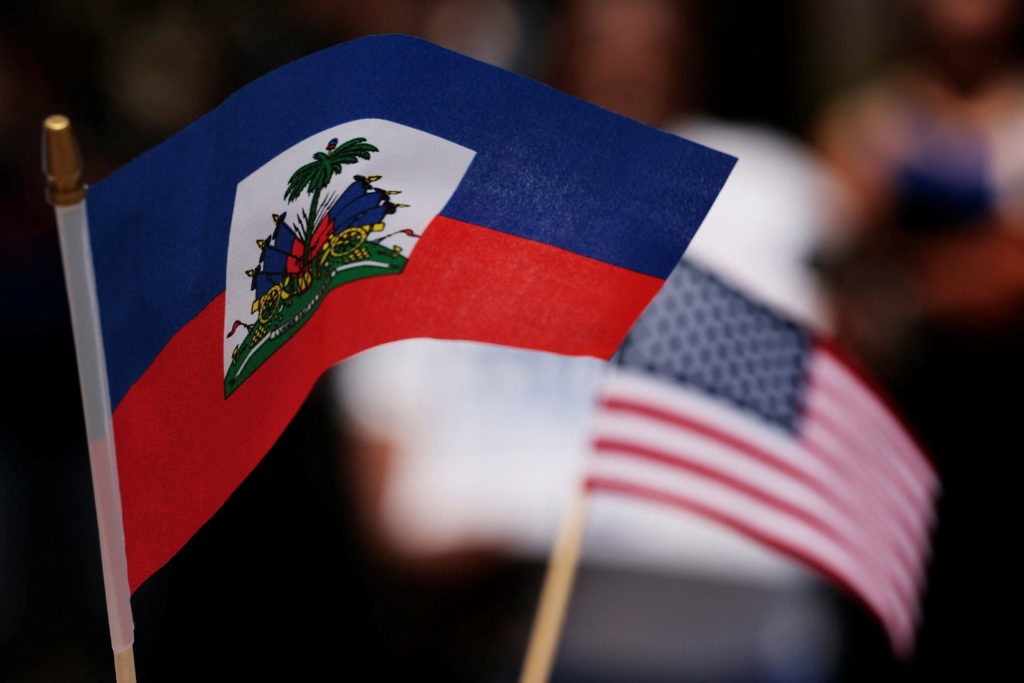
As many as 350,000 Haitians and Syrians residing in the United States face uncertainty after their work permits and legal statuses have expired. The individuals had previously sought Temporary Protected Status (TPS) due to the ongoing crises in their home countries.
Returning to Haiti is ‘unimaginable for many’ as crisis continues
Harriett Cecilia Joseph, a TPS holder, expressed her reluctance to return to Haiti, stating that the current conditions make it difficult to consider going back. She applied for TPS in August 2021 after moving to Springfield, Ohio. Joseph has since built a community and started an event planning business. However, the end of her legal status has left her fearing the loss of her hard-won achievements.
In June, the U.S. Supreme Court upheld a decision allowing the termination of TPS for Haiti and Syria. This ruling could potentially affect TPS holders from additional countries, compounding the anxiety for many relying on this program for legal residence in the U.S.
Joseph originally arrived in the U.S. on a tourist visa in March 2021. Her decision to leave Haiti was influenced by a surge in gang violence and a dangerous security environment that ultimately led her to apply for TPS.
Conditions in Haiti have worsened significantly following the assassination of president Jovenel Moïse in July 2021, exacerbated by natural disasters and increasing gang control. According to the United Nations, gangs currently dominate approximately 90% of Port-au-Prince, leading many to believe that returning home is unsafe.
Leonie Hermantin, director of the Sant La Haitian Neighborhood Center in Miami, indicated that many Haitians are now seeking alternative migration options, as returning to Haiti is often viewed as a last resort. Joseph, for instance, is investigating potential migration to Canada, where her brother resides.
The end of TPS has led to a wave of desperate calls for assistance from those who have lost their legal status. Many are struggling to meet their financial obligations, with reports of individuals unable to pay mortgages or facing uncertainty in their daily lives. Community organizations are receiving grave inquiries, as fears of detentions and deportations mount.
In the wake of the Supreme Court ruling, businesses across the U.S. have been compelled to terminate employees holding TPS status to comply with legal requirements. This sudden loss of workforce is anticipated to have significant economic repercussions, particularly in sectors like hospitality and healthcare, which relied heavily on TPS holders. Nearly 190,000 Haitian TPS employees collectively contribute around $5.9 billion to the U.S. economy annually.
Joseph lost her job shortly after the ruling, leaving her feeling unsettled. Her event planning business has also been affected, with multiple bookings canceled due to her clients’ uncertain situations. She now contemplates her future amid these challenges, expressing a sense of alienation in her current circumstances.
Why It Matters
The termination of TPS for Haitian and Syrian nationals poses significant challenges, not only for the individuals affected but also for U.S. businesses and local economies that depend on their contributions. As migrants face mounting anxiety and fear of deportation, community organizations are challenged to offer the necessary support during this precarious time.