




Public service journalism is facing significant challenges, especially in the realm of climate reporting, according to recent assessments. As news organizations reduce their coverage, experts express concern about the implications for public awareness amid ongoing climate crises.
Budget Cuts Impact Climate Coverage
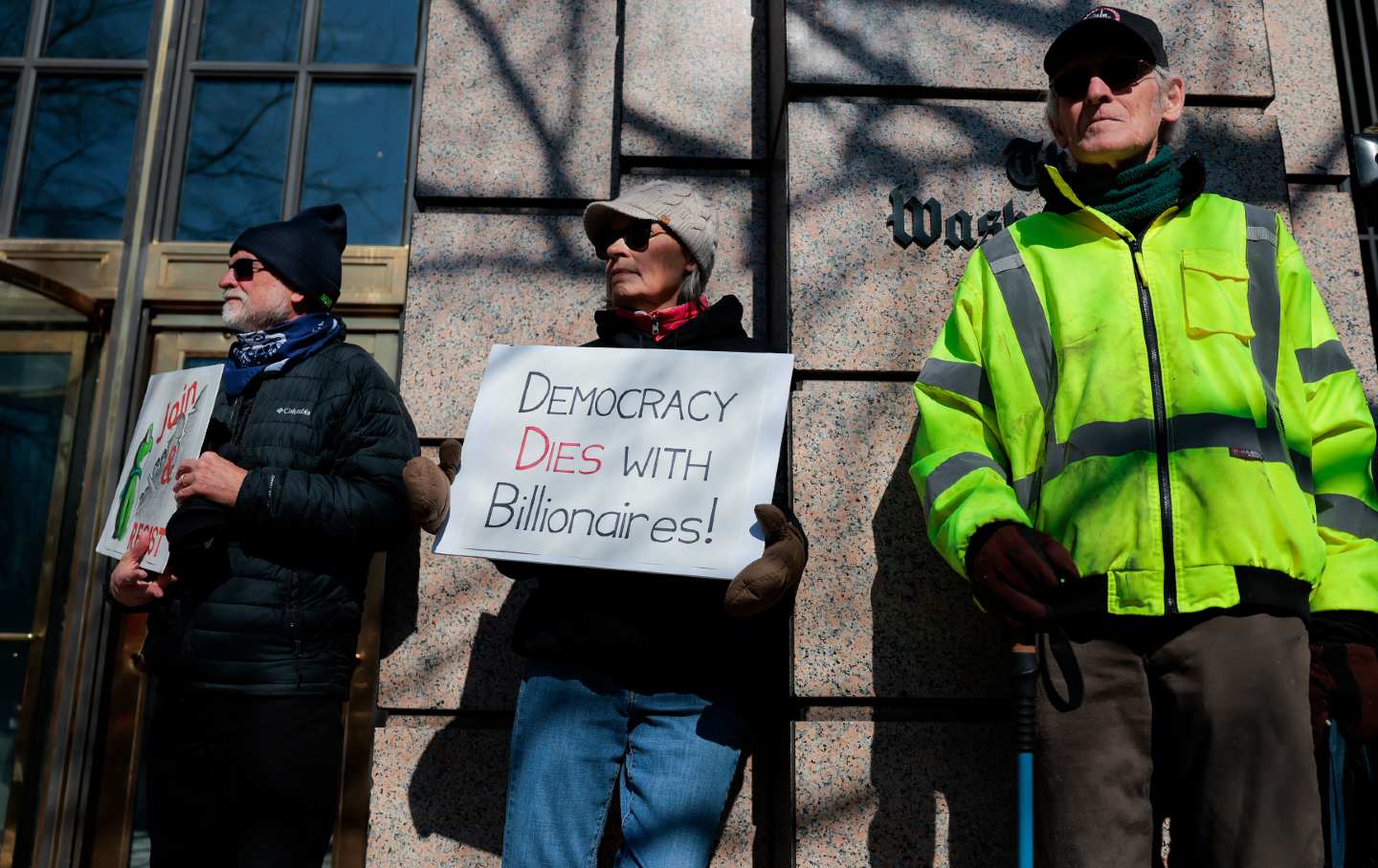
The Washington Post has recently undergone a wave of layoffs that has drastically affected its editorial staff responsible for climate reporting. Among the more than 300 employees let go, fourteen were directly involved in climate journalism. This has raised alarms regarding the future of important climate stories that require thorough investigation and coverage.
Sammy Roth, a former climate reporter at the Los Angeles Times, characterized the current climate narrative within major outlets as a troubling trend towards less critical coverage. Roth noted that the cuts at The Washington Post coincide with editorial shifts that are more permissive of climate skepticism, a stance exemplified by some recent opinion pieces questioning the urgency of climate regulation.
Media companies, including CBS News, have similarly scaled back their climate teams, leaving all but one climate journalist from its previous corporate structure. Under new leadership, CBS appears to be echoing narratives that challenge the necessity of aggressive climate action, a shift that has raised eyebrows among media watchdogs and climate advocates.
Reports from various media reporters indicate a growing lack of interest from newsroom executives in climate coverage, which many media insiders attribute to economic considerations. This trend could potentially hinder public understanding of climate issues at a time when scientific consensus emphasizes the need for urgent action.
The societal impacts are profound. As voters express increasing concern over climate change, the diminishing presence of climate reporters could lead to insufficient coverage of policies and events that directly impact communities vulnerable to climate-related disasters. Observers are questioning why media ownership seems more focused on economic interests than on fostering informed public discourse on climate issues.
Amid these challenges, organizations dedicated to enhancing climate reporting, such as Covering Climate Now, emphasize the importance of quality journalism in driving awareness and action. They argue that the public needs comprehensive and accurate climate coverage to make informed decisions that could greatly affect future generations.
In conclusion, as media outlets navigate financial challenges, the shift away from robust climate journalism not only undermines public service principles but restricts access to crucial information. The need for informed reporting has never been more critical as the planet continues to confront the realities of climate change.
Why It Matters: The current retrenchments in climate journalism highlight the precarious nature of reporting on pressing global issues. As credible coverage diminishes, public knowledge and engagement may decline as well, potentially derailing necessary societal actions to combat climate change.
