




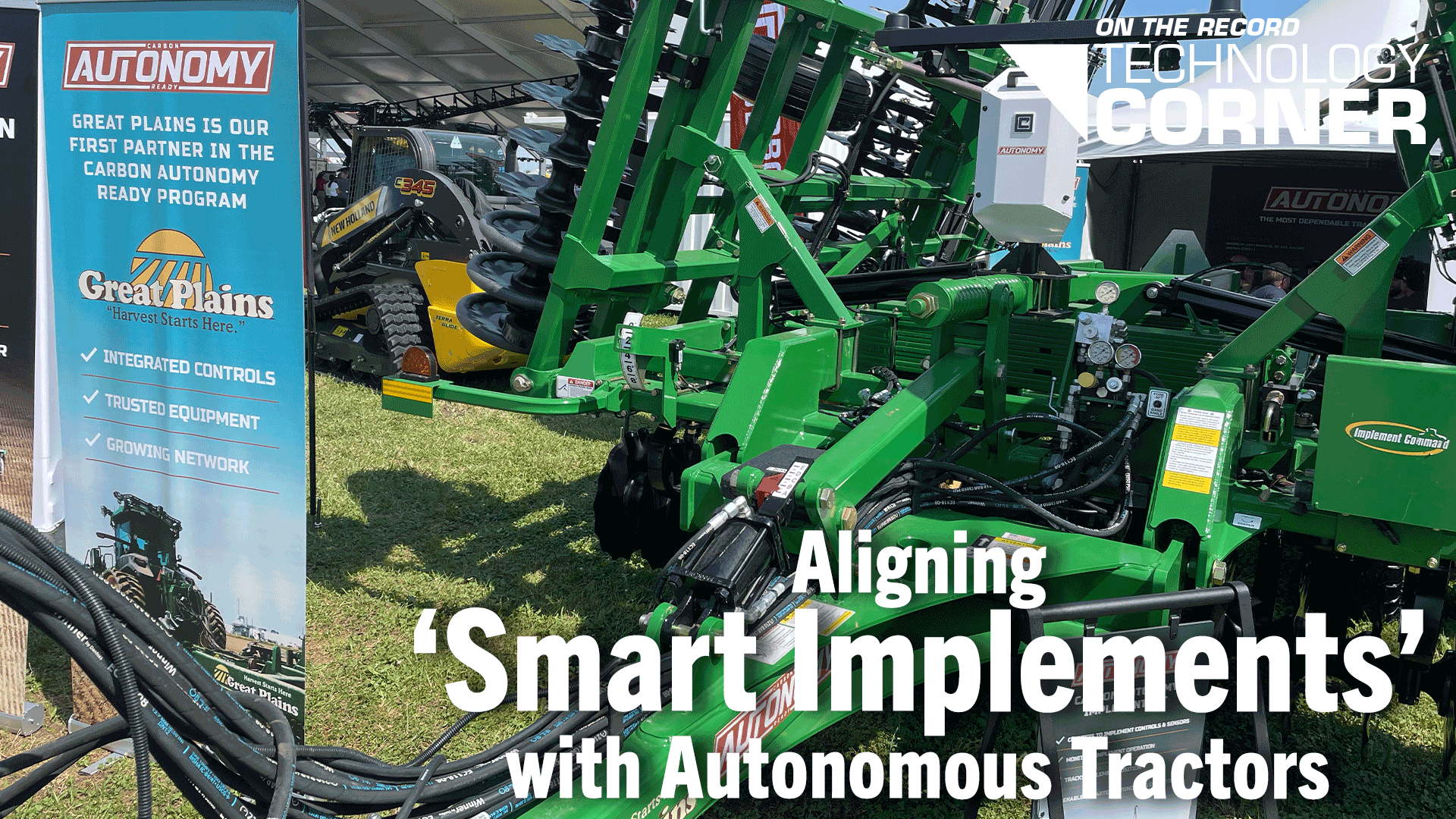
Carbon Robotics has expanded its product offerings beyond its well-known LaserWeeder by introducing autonomy retrofit kits for tractors and implements. This initiative is part of the newly launched Carbon Autonomy Ready program, which aims to support implement manufacturers in optimizing their equipment for compatibility with Carbon Autonomy kits.
New Program Aims to Enhance Agricultural Automation
Brett Goodwin, Vice President of Marketing at Carbon Robotics, highlighted the importance of integrating smart implements with autonomous tractors. He emphasized that as agricultural machinery increasingly incorporates autonomous technology, it is crucial for implements to effectively communicate with these systems. Goodwin explained that the implement kits are designed to collect various data readings, which can be transmitted to the Carbon Autonomy platform. This information allows for autonomous decision-making or can be accessed and adjusted remotely via a mobile application.
Among the features that can be monitored and altered through the app are depth, pressure, and leveling, which are essential for optimal agricultural performance. Goodwin noted that the growing use of autonomous tractors will support extended operational hours during busy agricultural seasons, thereby enhancing productivity.
Great Plains has been identified as the initial partner for the Carbon Autonomy program, with intentions to collaborate with additional implement manufacturers in the future. This marks a significant step forward in the evolution of agricultural technology as the industry moves towards more integrated and autonomous farming solutions.
The Carbon Autonomy Ready program is expected to significantly impact the agricultural sector, promoting improved efficiency and modernizing farming practices through enhanced technology integration.
Why It Matters
The introduction of the Carbon Autonomy Ready program underscores a key trend in agriculture, where automation technology is becoming increasingly vital for enhancing productivity and efficiency. By aligning smart implements with autonomous tractors, the initiative aims to facilitate a seamless workflow that can address the demands of contemporary farming. This technological advancement could represent a substantial shift in how agricultural work is conducted, potentially influencing the industry’s future landscape.
