




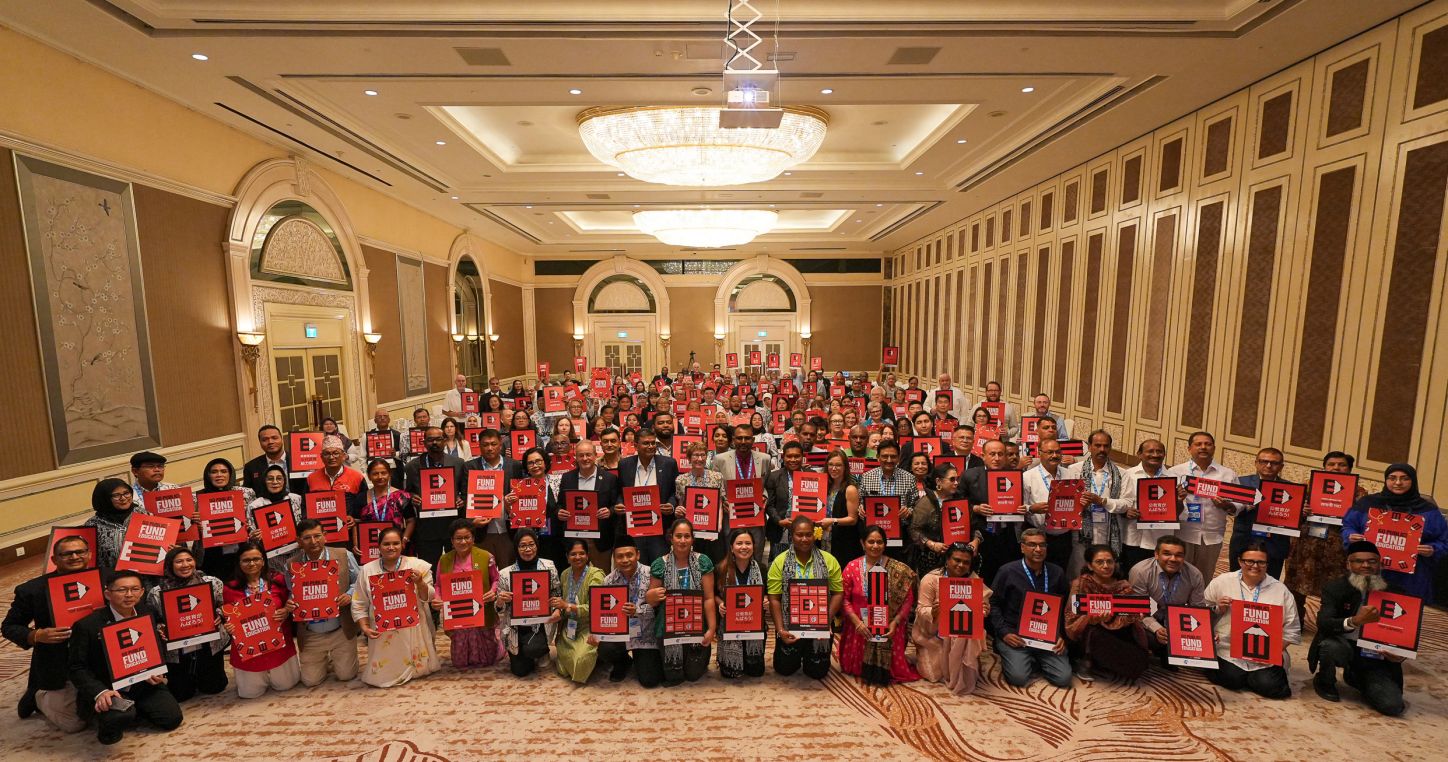
The 10th Education International Asia-Pacific Regional Conference commenced with pre-conference events from October 10 to 12, focusing on the development of resilient and inclusive education unions in the region.
Key Highlights from the Conference
The Women’s Caucus offered a platform for women unionists to enhance skills and strategies for organizational change. Former Education International President Susan Hopgood delivered a keynote address, and updates were shared from sub-regional women’s networks. A panel discussion spotlighted women leading transformative initiatives across the Asia-Pacific, while participants engaged in group work aimed at promoting gender equality within unions.
The discussions revealed several core themes, including the need for stronger frameworks to combat gender-based violence and harassment, improved protections for educators’ safety and well-being, and the necessity for young women and Indigenous communities to have a meaningful role in decision-making processes.
On the second day, the Indigenous Caucus centered discussions around the experiences of Indigenous educators and communities. Delegates emphasized the importance of Indigenous representation in decision-making, calling for collective action to empower these groups within educational frameworks.
The Higher Education Caucus focused on the defense of academic freedom amidst political pressures. Union leaders addressed concerns related to professional autonomy, research integrity, and solidarity among an increasingly fragmented educational workforce.
The Youth Caucus explored the evolving landscape of unionism and the role of younger educators in shaping future initiatives. The session showcased findings from the EIAP Youth Research Study and included a panel featuring young leaders discussing their efforts in promoting better wages for teachers and increasing youth engagement in unions.
The third day featured the “Go Public! Fund Education” session, where union representatives shared strategies to combat underfunding and teacher shortages. They underscored the critical role of public education in fostering democracy and social equity.
Another session tackled the integration of artificial intelligence in education, highlighting ethical considerations and the importance of keeping teachers central to technological innovation. Presenters discussed various national approaches to AI, including initiatives from Malaysia, Indonesia, and Korea.
The Climate Caucus convened to address the impact of environmental challenges on education systems. Discussions featured insights on climate justice issues in classrooms and the roles education unions can play in advocating for sustainable practices.
These discussions will continue throughout the conference, with additional plenary and breakout sessions scheduled. Attendees and interested parties can follow along on social media using the hashtag #EIAP2026.
