




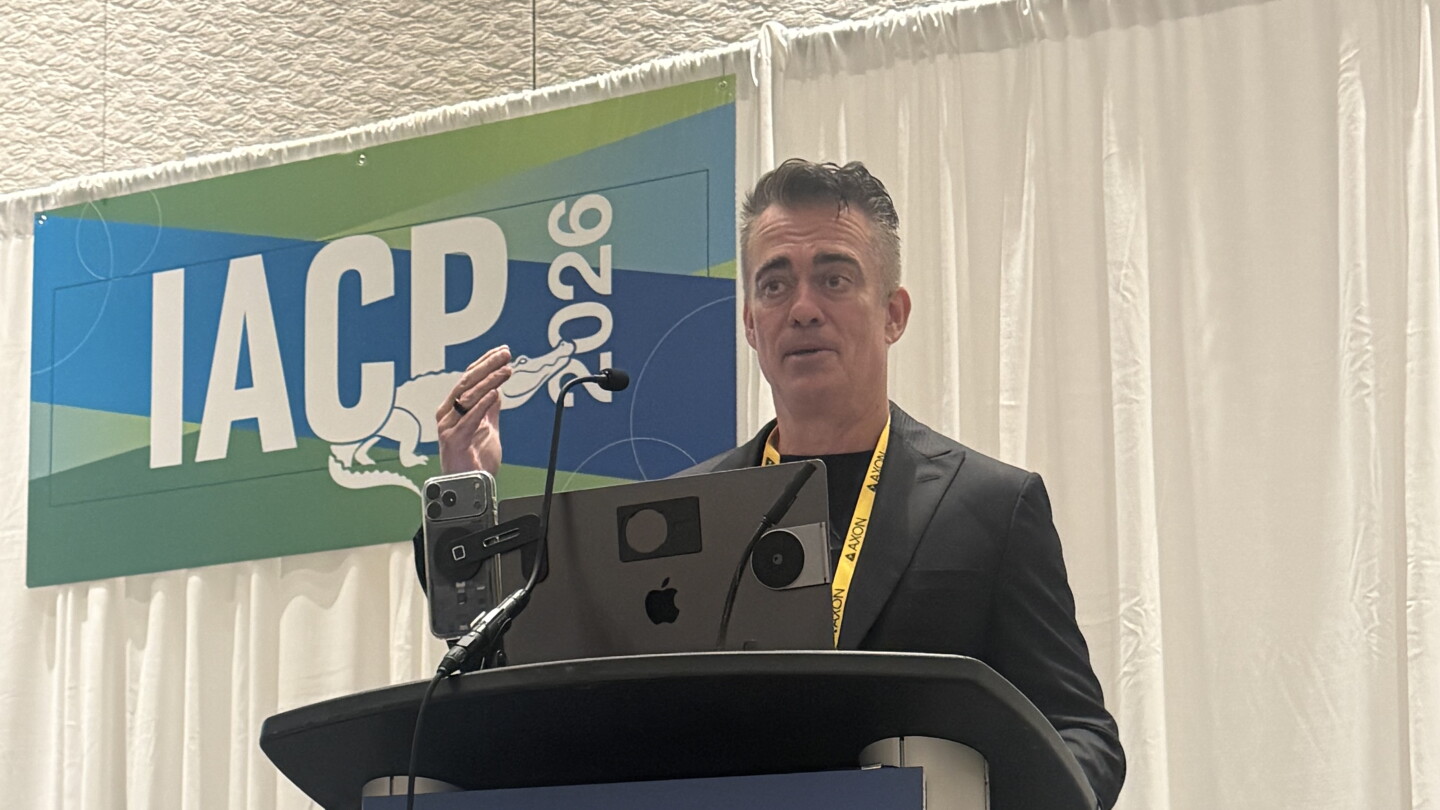
ORLANDO — Police leaders are being urged to play a pivotal role in shaping the regulation of emerging technologies, particularly in light of the concerns surrounding automated license plate recognition (ALPR). Axon founder and CEO Rick Smith shared this message during his presentation at the IACP 2026 conference, emphasizing the need for proactive engagement rather than reactive legislation.
“What I would like to avoid is we slap a Band-Aid on ALPR and call it good,” Smith stated, cautioning that legislation focused solely on current technologies might not adequately prepare agencies for future advancements.
He encouraged law enforcement officials to see regulation as an opportunity for establishing clarity and responsibility in innovation. “I think regulation can be helpful,” Smith added, advocating for principles that guide the ethical use of technology before controversies arise.
Addressing Privacy and Data Governance
Smith highlighted the importance of balancing operational effectiveness with individual privacy, particularly as artificial intelligence and automated systems become more prevalent. He recommended creating ethical guidelines that are straightforward and practical, facilitating their integration into daily decision-making. For Axon, this means using artificial intelligence to enhance public safety while simultaneously safeguarding privacy.
Using ALPR as a case study, Smith discussed how data ownership and sharing decisions can have far-reaching effects on police departments and the communities they serve. While acknowledging that strict data-sharing protocols may pose challenges, he asserted that they allow agencies to exert better control over how information is utilized. “And again, I’m gonna tell you, this is less convenient,” Smith noted, emphasizing the need for agencies to navigate these complexities thoughtfully.
Collaboration is also essential, he suggested, urging closer partnerships between law enforcement, technology companies, and researchers to better understand the impacts of ALPR and similar technologies.
Proposed Regulatory Frameworks
Smith outlined three potential regulatory approaches for lawmakers to consider regarding automated public safety technologies. The first focuses specifically on ALPR and its immediate issues. The second proposes a wider legislative framework for all automated systems involving artificial intelligence. His preferred model incorporates aspects of both, advocating for an initial focus on ALPR while forming a task force to recommend comprehensive regulations for future technologies.
This dual approach would allow police leaders to share their insights, ensuring that the regulations developed reflect both the potential advantages of innovation and the realities of integrating new systems into existing frameworks.
Smith concluded by reiterating the necessity for police leaders to engage actively in discussions regarding regulations that impact the technology used within their departments. He stated that their involvement is crucial for balancing the benefits of technological advancements with the need to maintain public trust. Smith’s remarks during the session reflected his belief that the current debates surrounding ALPR could lead to significant opportunities for growth and improvement in law enforcement practices.
