




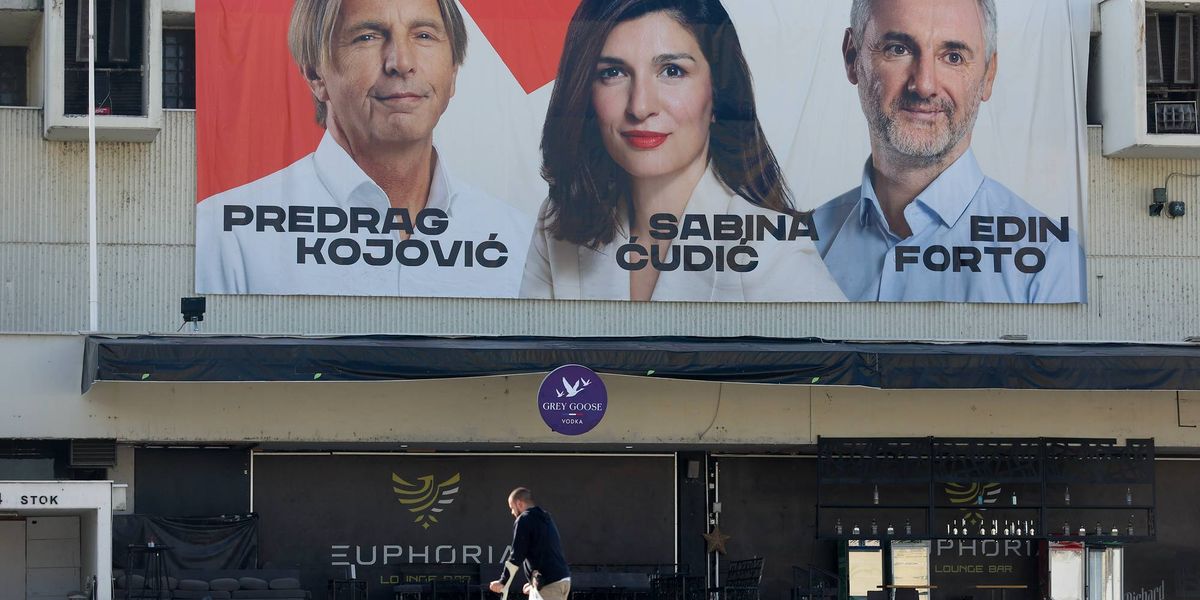
SARAJEVO, Bosnia-Herzegovina — Bosnia held a general election on Sunday, where approximately 3.4 million voters cast their ballots amid rising ethnic tensions. The election comes as citizens express concern over pressing daily issues while some politicians invoke sentiments from the war-era conflict that has divided the country since the 1992-1995 war.
Polls opened at 7 a.m. local time, allowing voters to choose three members for a multi-ethnic presidency, lawmakers for the national Parliament, and heads of institutions in Bosnia’s two entities: the Federation of Bosnia and Herzegovina and Republika Srpska.
The complex governance structure was established after the U.S.-brokered peace agreement that ended the conflict.
Influential Pro-Russian Politician
Milorad Dodik, the former president of the Serb-majority Republika Srpska, has significantly influenced the campaign despite not being on the ballot due to a ban from public office stemming from his conviction for defying the international envoy overseeing the peace agreement. Recently returned from a meeting with Russian President Vladimir Putin in Moscow, Dodik’s party, the Alliance of Independent Social Democrats, is expected to perform well in Republika Srpska.
At a rally in Banja Luka, Republika Srpska’s capital, Dodik claimed, “Bosnia is dead,” and described the nation as “an impossible country” during his address to supporters, which included the Russian ambassador to Bosnia and Herzegovina, Igor Khalabukov. Analyst Dragan Bursac noted that although Dodik is not an official candidate, he remains a dominant figure in the media landscape across Bosnia, indicating that measures to limit his political presence have so far failed.
Ethnic Tensions and Voter Sentiment
While Bosnia has experienced relative peace recently, tensions persist among its three major ethnic groups: Bosniaks, Serbs, and Croats. Bosnian Serb leaders, including Dodik, advocate for the separation of Republika Srpska from Bosnia, raising concerns about potential instability that may draw international attention.
The country, one of Europe’s poorest, continues to grapple with the aftermath of the war that resulted in over 100,000 deaths and mass displacement. Bosnia seeks to join the European Union, but progress has stalled amid ongoing ethnic divisions and political infighting.
Many citizens, including Sarajevo resident Durak Miler, have expressed frustration with long-standing politicians. Miler remarked, “They have been governing for 35 years… I think whoever comes next will work better for retired people and the poor.”
Recent public tributes in Serbia to wartime commander Ratko Mladic, who died in August while imprisoned for genocide, have further inflamed ethnic sensitivities. Mladic is regarded by some Bosnian Serbs as a hero, despite his conviction for severe war crimes, leading to backlash from Bosniak leaders.
New Election Security Measures
This election also marks the introduction of electronic voter identification and ballot scanning to enhance security and transparency. Salko Bijavica from Mostar expressed optimism, stating that “every vote will be counted,” and that this improvement may restore faith in the electoral process.
Today’s elections feature about 75 political parties, many aligned along ethnic lines. The Bosniak nationalist Party of Democratic Action is campaigning to uphold Bosnia’s unity against separatism, while Bosnian Croat parties also draw support along ethnic lines.
Polls are set to close at 7 p.m. local time. Many voters remain skeptical of their leaders, claiming that nationalistic rhetoric distracts from the urgent issues at hand, including poor living conditions and a significant youth exodus. Ivan Silic from Mostar stated, “I don’t see that anything is getting better… It is better for (politicians), and for the rest of us everything is the same.”
